•Dalton Walsh
The only flyball training guide UK teams and beginners need. Box turns, passing, recall, fitness, competition prep, and gear recommendations for 2026.
By Dalton Walsh
Flyball is one of the fastest dog sports in the UK. Whether you are a complete beginner curious about getting started, or an experienced handler looking to sharpen your team's performance, structured flyball training is what makes the difference between safe, consistent runs and chaos.
This guide covers everything UK teams and beginners actually need: building recall and ball drive, perfecting box turns, understanding jump striding, mastering passing, preparing for competitions, and choosing gear that is worth the money. Every section is written around British Flyball Association rules and the realities of training in UK halls and fields.
Before a dog ever sees a flyball box, two fundamentals must be solid: a reliable recall and an intense ball drive. Without these, everything that comes later is harder than it needs to be.
Recall work: use a long line in a secure field. Call the dog, reward immediately with a high-value toy or treat. Gradually increase distance and distractions. In a hall, practice recalls past other dogs and equipment. A dog that hesitates on the return costs the team seconds.
Ball drive: not every dog is naturally obsessed with a tennis ball. Build drive by making the ball the ultimate reward. Play short, exciting chase games. Restrict ball access so it stays special. Use the ball as the recall reward, not a separate treat. The goal is a dog that sees the ball and immediately wants to sprint.
For more on building drive in young dogs, see our guide on when your puppy can start flyball.
If your puppy is already showing high drive and fixating on toys, our guide to building focus and channeling that energy safely covers the exercises you need before adding speed.
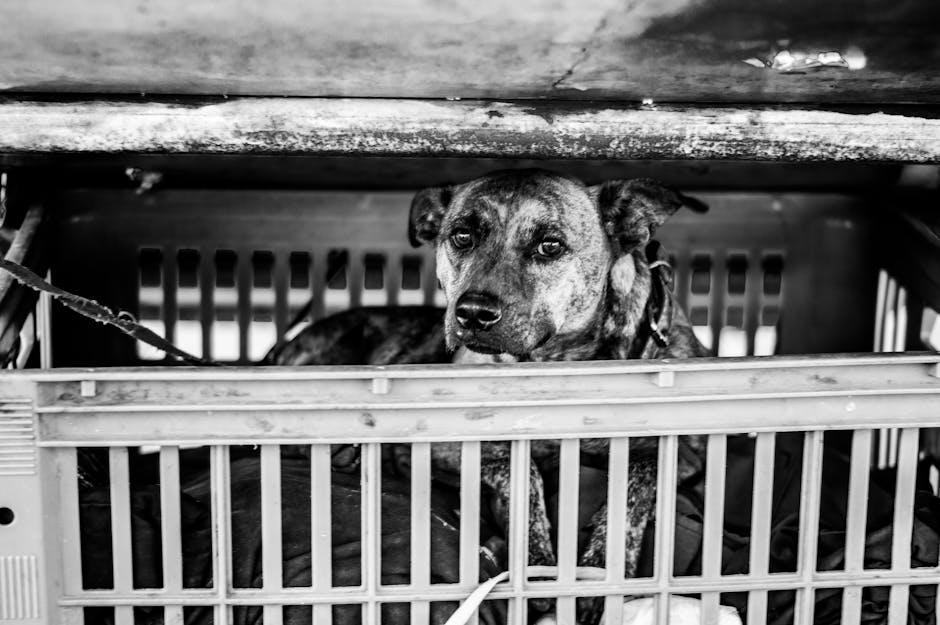
The box turn is where races are won or lost. A powerful swimmer's turn pushes the dog back down the lane with maximum momentum.
Start with a box without a pedal. Let the dog explore it, rewarding any foot contact. Build up to a full turn using a wall or channel to guide body position. Only add the ball once the footwork is consistent and the dog is turning tightly.
Common mistake: letting the dog grab the ball while still facing forwards. This creates a wide, slow turn. Fix it by delaying the ball reward until the dog has completed the turn and is pushing off with its rear legs.
If you want a deeper dive, we have a full post on box turn technique and drills.
UK training halls vary in size. You might have a full 51-foot lane or be squeezing into a smaller community space. Practice with correct BFA spacing: 10 feet between jumps.
Stride training matters. Dogs need to clear jumps in a rhythm. Some dogs take two strides between jumps, others three. Record your dog in slow motion to identify their natural pattern. Adjust jump height so they clear comfortably; under BFA rules, jump height is set by the smallest dog on the team. Over-jumping wastes energy and slows the dog down.
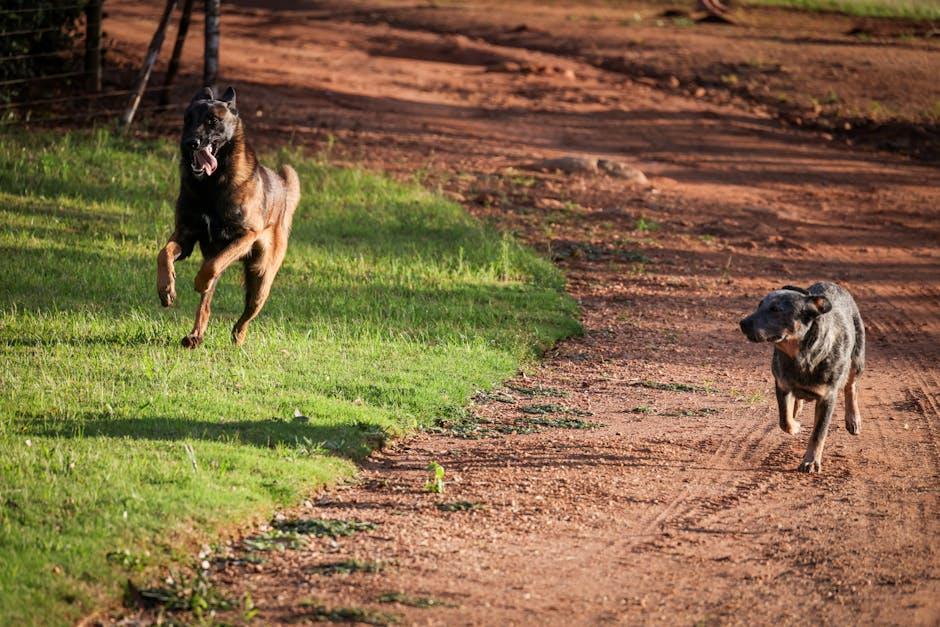
Passing is the most difficult skill in flyball. Two dogs cross within inches of each other at full speed. It requires trust, timing, and repetition.
Begin with simple two-dog swaps. Dog A runs while handler B watches the line. As dog A crosses, handler B releases dog B. Use a marker or target so the release timing is consistent. Only add more dogs once the first pair is reliable.
In training, simulate competition noise. Play crowd noise on a speaker. Have people stand near the lane. Dogs that only train in silence often shut down at their first tournament, where barking, whistles, and cheering are constant.
For passing drills and warm-up routines, see our spring flyball training tips.
On race day, less is more. Do not exhaust your dog with long training sessions the morning of a competition.
A good warm-up routine: five minutes of loose lead walking to settle the dog. A few easy recalls over one jump. One or two slow box turns. Then rest. The aim is to activate muscles without draining energy reserves.
Between races, keep the dog warm but calm. Standing around in draughty venues causes muscles to tighten. A lightweight dog coat helps, especially in winter halls. Hydrate little and often rather than letting the dog gulp water.
You do not need competition-grade equipment to start. Many UK clubs begin with homemade or second-hand kit. The minimum setup: four adjustable jumps with cups, a basic flyball box, plenty of balls, long training lines, and high-value treats. For puppy and foundation food rewards, this guide to best training treats for puppies is a good starting point.
As you advance, invest in a proper box loader so the ball release is consistent, rubber matting to protect hall floors and your dog's joints, and a measuring tape to check jump spacing accurately. A stopwatch or phone timer helps track progress over weeks.
For detailed equipment advice, see our flyball gear guide. You can also read more specific training guides: spring training tips, box turn technique, puppy training foundations, and recall training drills.
Training alone has limits. Joining a BFA-affiliated club gives you access to experienced handlers, proper kit, and dogs to practice passing with. Most clubs run taster sessions where you can try flyball without committing. Use the Flyball Hub team finder to locate clubs in your area.
Flyball training rewards consistency over intensity. Short, focused sessions beat long, chaotic ones. Celebrate small wins: a clean recall, a tight box turn, a confident pass. Each improvement compounds into faster, safer runs.
If you are managing a team, the Flyball Hub app helps plan sessions, track which dogs need what work, and keep handlers organised.