•Dalton Walsh
Practical spring flyball training tips for UK handlers. How to ease your dog back into the sport after winter, build fitness safely, and avoid injuries before the competition season starts.
By Dalton Walsh
Spring has finally arrived, and suddenly everyone at flyball practice is acting like it's January at the gym.
Dogs are heavier than they were in October. Handlers are out of breath. The field is still patchy with mud in one corner and dust in the other. And somehow, the first outdoor competition is only a few weeks away.
After a winter of curtailed training sessions, short walks, and the occasional "we'll skip this week because it's hammering down," most flyball dogs are not exactly racing fit. The question isn't whether your dog needs a fitness reset. It's how you do it without breaking them.
Most UK flyball teams train outdoors on astroturf, grass, or whatever the local sports ground offers. Through December and January, that field isn't inviting. Even dedicated handlers cut back sessions.
The problem isn't just that your dog has lost stamina. Their joints, tendons, and muscles have settled into a lower-intensity routine. Tendons adapt slowly. Muscles adapt fast. That mismatch is where injuries happen.
I made this mistake with my own dog a couple of years ago. Went from three short walks a week in winter to a full competition warm-up in April. He pulled up lame after the second race with a shoulder strain that took six weeks to heal. Six weeks of the season, gone.
The lesson: spring is not the time to go from zero to hero. It's the time to build up carefully.
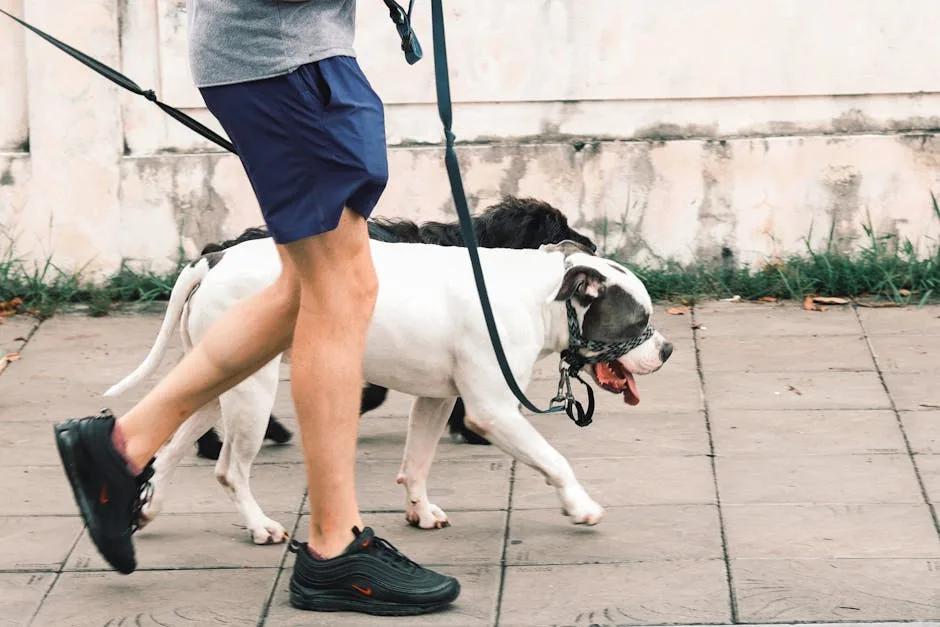
Before you even think about box turns or recalls, take an honest look at your dog's condition.
Check their weight. A lot of dogs put on a kilo or two over winter, and every extra kilo means more load on joints when they jump and turn. You should be able to feel ribs easily without pressing hard. If you can't, cut back the treats and extend the walks before you increase intensity.
Look at their nails. Long nails change how dogs load weight through their feet and contribute to slipping on turns. Clip them short. Yes, even the dew claws.
Check their pads. Winter ground with frost, road salt, and grit can leave pads rough or cracked. I've seen dogs hesitate on the box because their front pads were sore and nobody had noticed.
For the first two weeks of spring training, forget the box entirely. Focus on building cardiovascular fitness and strength without the explosive intensity of a full flyball run.
Walking on varied terrain is your best tool here. Hills, uneven ground, and woodland paths all build stabilising muscles around the hips and shoulders. A forty-minute walk on hilly terrain does far more for a flyball dog's fitness than an hour on flat pavement.
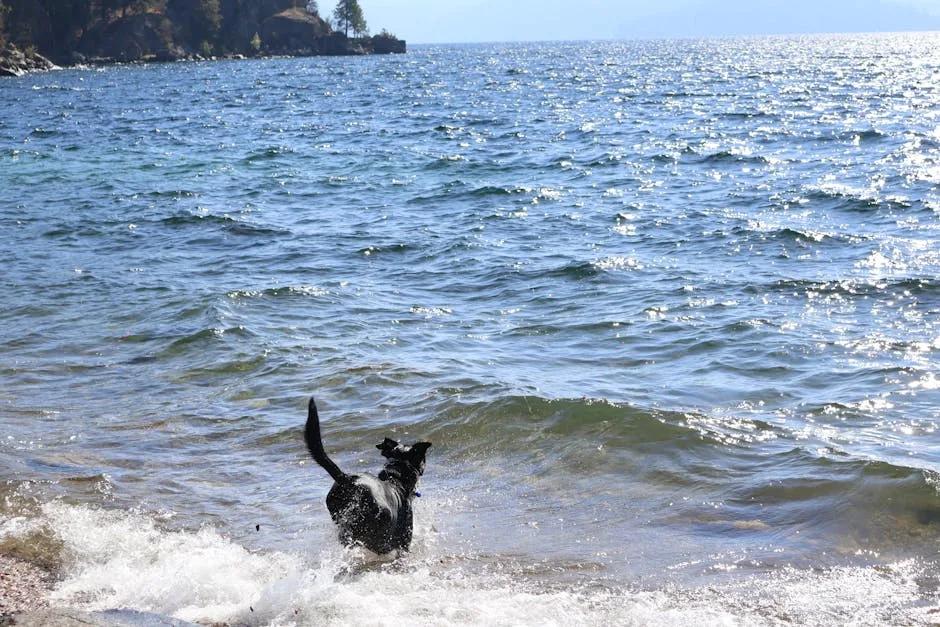
Swimming is even better if you have access to safe water. It's zero-impact cardio and builds the exact shoulder muscles dogs use for swimming turns. I take mine to a local reservoir where there's a shallow entry. Ten minutes of swimming is worth thirty minutes of running.
If you use a flirt pole, keep it controlled. Short bursts, lots of breaks. Don't let them twist at full extension. Flirt poles on Amazon UK
Cycling alongside your dog on a safe path is another option, but build up slowly. Start with five minutes at a steady trot and add a couple of minutes each session.
Once your dog has two weeks of base fitness under them, you can bring the box back into training. But not all at once.
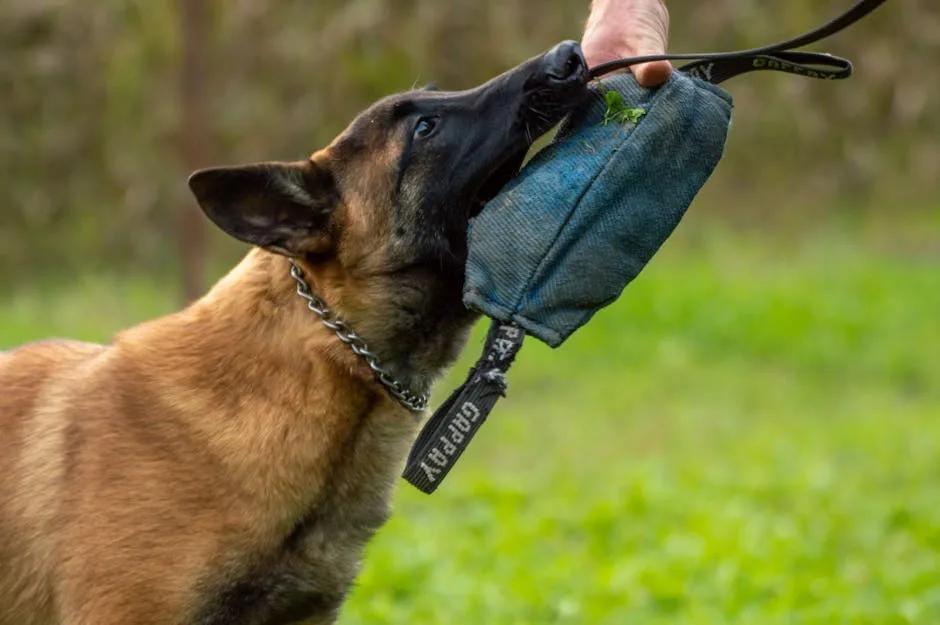
Start with box turns without the jump run. Stand close to the box, send your dog, and reward the turn technique. Ten repetitions at most, then stop. You are checking whether their muscle memory is still there, not testing their speed.
Add the jumps one at a time. First with two jumps, then three, then four. Keep the distance short initially. The aim is to rebuild the sequence in their body, not to see if they can still run a four-second split.
Watch for fatigue signals. A dog that starts missing their box turn, flattening their jump trajectory, or taking wider angles is probably tired. End the session there. Training a tired dog is training bad habits.
I still see handlers bringing dogs out of the car and straight onto the box. At spring competitions, when the weather's mild and everyone's excited, this gets worse.
A proper warm-up takes five to ten minutes and makes a measurable difference to injury risk. Jogging on the lead, figure-of-eight walking, and gentle play with a tug toy all get blood moving through muscles. Tug toys on Tug-E-Nuff
Do not skip the cool-down either. After the last run, walk the dog round until their breathing has settled. Give them water. Let them toilet. Only then put them back in the car or crate.
Most UK competitions run from April through to September or October. That gives you a long season, and the dogs that peak too early often fade by August.
Think of your training in phases. March and April are base building. May and June are where you sharpen speed and tighten turns. July and August are about maintenance. September is the final push.
That means right now your job is not to chase the fastest time. It is to build a dog that can still run fast in August.
Reduce session frequency if your dog is over eight years old. Older dogs need more recovery time between intense sessions. I run my eight-year-old on Tuesdays and Saturdays only, with walking or swimming on other days. She still runs clean times, she just can't handle three hard sessions a week anymore.
Spring in the UK is unpredictable. One weekend it's twenty degrees and sunny, the next it's eight degrees with drizzle. Dogs don't adjust to temperature swings as fast as we think.
On warmer days, train early or late. Midday sun on an astroturf surface can get surprisingly hot. If you can't hold your hand on the ground for five seconds comfortably, it's too hot for your dog to train on.
Bring water. Not just a bowl in the car, but water to the field. Dogs dehydrate faster than most handlers realise. I carry a two-litre bottle and a collapsible bowl to every session.
Wet ground changes traction. After rain, astroturf can be slippery and grass can be boggy. Adjust your expectations. A slow, safe session on slippery ground is better than a fast session that ends with a pulled muscle.
Spring maintenance applies to equipment too.
Inspect your tug toys. Winter storage might have left them damp and mouldy. If they smell musty, bin them. Dogs won't tug with enthusiasm on a toy that smells wrong, and mould is a health risk.
Check your harness or collar for wear. Bungee handles on tugs can snap if they've been sitting in a damp bag for months. I'd rather discover that in the garden than mid-competition. Bungee tug toys on Amazon UK
Jumps and boxes need attention too. If you're lucky enough to have your own equipment, check that jump cups are secure and the box isn't wobbling after winter storage. Even minor instability at speed can cause a dog to misjudge their approach.
Most dogs won't need a complete diet overhaul, but there are sensible adjustments for dogs entering their competitive season.
Review your dog's weight again. If they've slimmed down to racing weight, make sure their calorie intake matches their increased activity. A dog losing weight during the competitive season is losing muscle too.
Consider a joint supplement if your dog is over six or has any history of stiffness. Glucosamine and chondroitin aren't magic pills, but there's decent evidence they help maintain cartilage health in active dogs. Dog joint supplements on Amazon UK
Timing matters. Feed your dog at least two hours before training or competing. Running on a full stomach is uncomfortable and increases the risk of bloat, particularly in deep-chested breeds like Border Collies and Weimaraners.
Spring is when a lot of health issues that were hidden over winter show up.
If your dog is limping, even slightly, stop immediately. The classic mistake is pushing through because the limp goes away after a few minutes. It goes away because the dog warms up. That doesn't mean the injury is gone. Rest them, ice the area if you suspect a strain, and book a vet check if it persists beyond forty-eight hours.
Stiffness after resting is another red flag. If your dog gets up from their bed stiff in the morning but seems fine once moving, that's often early arthritis or a joint issue. Get it checked. Caught early, these things are manageable.
Don't forget the boring stuff either. Make sure worming and vaccinations are up to date before the competition season starts. The last thing you want is to be turned away at a show because your paperwork isn't current.
The competitive season is long, and it's easy to fall into the trap of treating every single race as make-or-break. Your dog doesn't care about your title ambitions. They just want to run.
Set two or three realistic goals for the season. Maybe it's running clean. Maybe it's improving your start dog's consistency. Maybe it's finishing a full division without swapping any dogs out.
Write them down. Look at them before each competition. If your dog achieves those goals, the season was a success regardless of what the scoreboard says.
I keep my goals taped inside my training bag. Last year my only goal was to run every race with a calm warm-up routine. It sounds basic, but it transformed our season. Less stress meant faster times without any extra physical training at all.
Most teams want to enter the first outdoor show of the year and find out where they stand. That's understandable, but your dog's readiness matters more than your curiosity.
Signs your dog is ready:
If your dog isn't there yet, sit out the first show. There will be others. A race run before your dog is ready risks injury and reinforces bad habits. A few extra weeks of patient training pays off for the whole season.
Spring training isn't about catching up. It's about building up.
Flyball is a sport that rewards patience as much as speed. The handlers who take their time in spring, who build their dogs' fitness properly and don't rush back to competition intensity, are usually the ones still running clean in September.
Your dog has months of running ahead of them. Give them the foundation they need.
Sources: British Veterinary Association guidance on joint health in sporting dogs; Royal Kennel Club advisory on canine fitness and conditioning.