•Dalton Walsh
Dog ignoring your recall? Learn how to build a reliable recall from scratch, proof against distractions, and fix common problems - plus tips for flyball dogs.
By Dalton Walsh
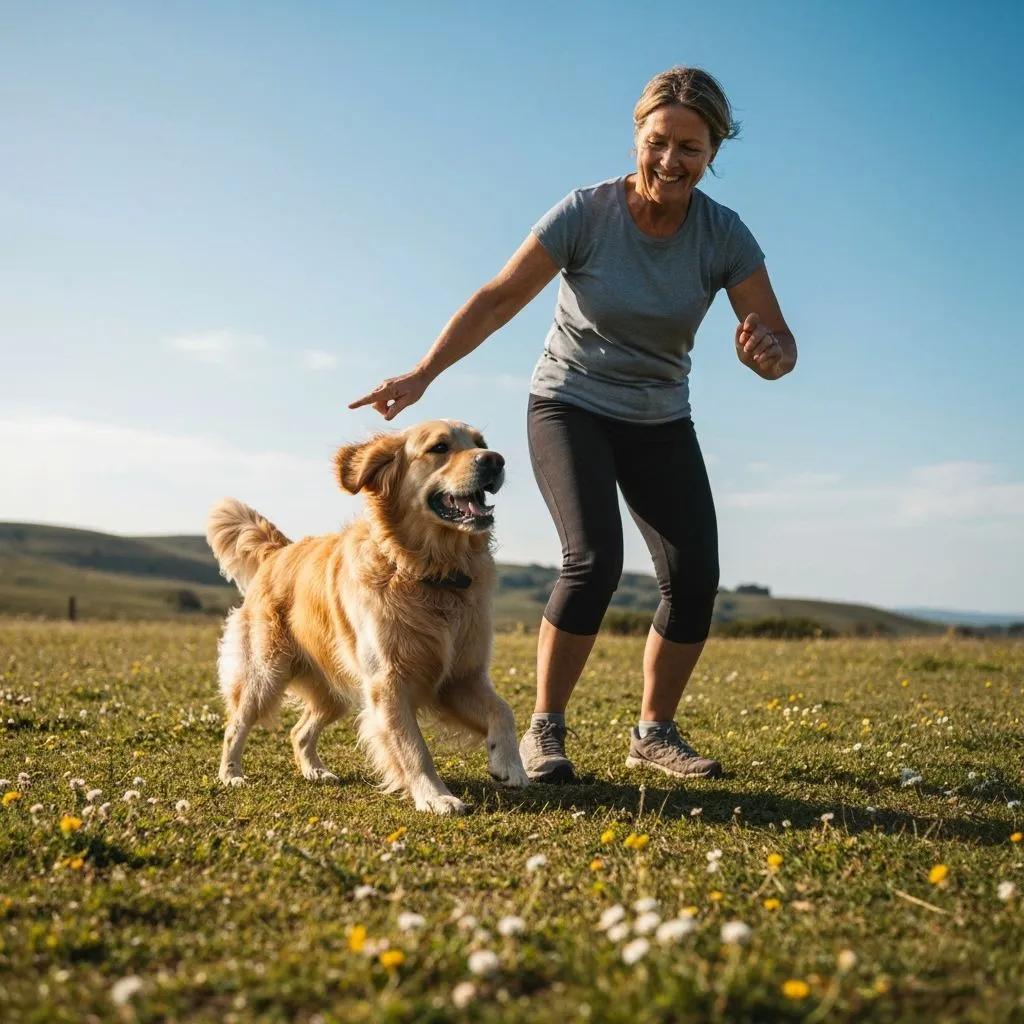
You call your dog. They look at you. They consider it for a moment. Then they go back to sniffing that fascinating patch of grass like you don't exist.
Sound familiar?
A reliable recall - getting your dog to come back when you call them - is one of the most important things you can teach. It's a safety issue. It's also the difference between a dog that can enjoy off-lead freedom and one that has to stay on the lead because you can't trust them.
The good news: recall is trainable. Even if your dog currently treats "come" as a polite suggestion, you can fix it. It takes consistency and patience, but it's not complicated.
This sounds harsh, but hear me out. When a dog ignores recall, it's almost always because of something we've done - or failed to do - in training.
You've made recall mean "fun's over." Think about when you call your dog. Is it usually to put them on the lead and go home? To give them a bath? To stop them doing something they're enjoying? Dogs aren't stupid. They learn that coming when called ends the good stuff.
Your cue is "poisoned." If you've said "come" fifty times while your dog ignored you, that word now means nothing. Worse than nothing - it means "optional."
You're not rewarding enough. A pat on the head doesn't compete with a squirrel. If the reward for coming back isn't better than whatever they're currently doing, why would they bother?
Your training isn't proofed. Your dog might come perfectly in the kitchen. That doesn't mean they can do it in the park with other dogs around. Recall in different environments, with different distractions, is a separate skill that needs separate training.
None of this is your dog being stubborn or dominant or any of that nonsense. It's just incomplete training. Which means it's fixable.
If your current recall is unreliable, the best approach is to start fresh. Pick a new cue word - if you've been using "come" and it's been ignored repeatedly, switch to "here" or "close" or anything else.
Begin in the most boring environment possible. Your hallway. Your kitchen. Somewhere with zero distractions.
Say your cue word once (not twice, not three times - once), and when your dog moves toward you, get excited. Reward them with something genuinely good - a piece of chicken, a game of tug, whatever makes their tail go mad. Then let them go again.
That last bit matters. If recall always leads to being grabbed or restrained, your dog learns that coming to you ends freedom. Instead, call them, reward them, then release them. Make recall just another fun thing that happens, not the end of fun.
A dry biscuit isn't going to cut it. You need rewards that make your dog think "absolutely worth it." For most dogs, that means:
Save these rewards specifically for recall training. Don't use them for anything else. You want your dog to associate coming back to you with the best things in life.
Even if it took them ages. Even if you're frustrated. Even if they only came because they got bored of ignoring you. Every single recall gets rewarded and praised.
If you punish a dog for eventually coming back - or even greet them with irritation - you're teaching them that coming to you is a bad idea. Why would they rush back next time?
Five minutes of recall practice is plenty. You want to stop while it's still fun, not when your dog is bored and checking out. Several short sessions across the day beats one long one.
Once your dog is reliably coming when called indoors, it's time to make it harder. This is called "proofing" - teaching your dog that the recall cue means the same thing everywhere, no matter what's going on.
A long training lead (10-15 metres) is your best friend here. It's not for reeling your dog in like a fish - it's a safety net that prevents them from practising ignoring you.
With the long line attached, if your dog doesn't respond to recall, they simply can't run off to self-reward by doing whatever they wanted instead. You calmly go to them, reset, and try again with an easier challenge.
The key is increasing difficulty slowly enough that your dog keeps succeeding. If they're getting it wrong more than they're getting it right, you've jumped too far ahead.
A rough progression:
This might take weeks or months. That's fine. Rushing it just means you'll have to go back and fix problems later.
When you call your dog away from something good, you need to offer something better. If they're watching another dog, you'd better have chicken. If they're sniffing fox poo, you need to be running away making exciting noises.
You're competing for your dog's attention. Act like it.
Hide and Seek: Hide somewhere in your house or garden and call your dog. When they find you, massive reward. This teaches them that coming to find you is a fun game.
Hot Potato: With a partner, take turns calling your dog between you. Each person rewards when the dog comes. This builds speed and enthusiasm.
Surprise Recalls: Throughout the day, randomly call your dog, reward them brilliantly, then let them go. No pattern, no warning. Just occasional "come here - good dog - here's chicken - off you go."
If your recall is already broken, you're not starting from zero - you're starting from less than zero. Your dog has learned that ignoring you works.
Use a completely new cue. "Come" is dead. Pick something fresh that has no history of being ignored.
Go back to absolute basics. Indoor, zero distractions, high-value rewards. Yes, it feels like going backwards. It is going backwards. That's the point.
Make your rewards ridiculous. Whatever you were using before wasn't enough. Upgrade to the good stuff. Roast chicken. Liver. High-value training treats. You're rebuilding trust and value from scratch.
Be patient. A dog that's spent months (or years) learning that recall is optional isn't going to flip overnight. This is a project measured in weeks and months, not days.
The alternative is a dog that can never be off-lead safely. The time investment is worth it.
Here's something interesting: dogs that do flyball often develop brilliant recalls - and it's because of how the sport works.
In flyball, the dog sprints away from you, grabs a ball from a box, and races back. The entire point is coming back fast. And the reward (the ball, followed by a tug game with you) is built into the activity. The dog isn't coming back because you asked nicely - they're coming back because that's where the good stuff is.
This is why dogs with dodgy recalls can sometimes thrive in flyball. The motivation is in the right direction from the start.
Even flyball dogs can have recall issues, though they tend to be specific:
Ball mouthing: The dog chews or mouths the ball on the way back instead of running full speed. They're more focused on the ball than on getting back to you, which slows them down.
Fix: Take training out of the flyball context. Put a ball on a long rope, throw it, and when your dog picks it up and starts mouthing, run away from them as fast as you can. They learn that mouthing the ball means you (and the fun) get further away. Sprinting back with the ball means they catch you.
Slowing at the finish line: The dog comes back but decelerates as they approach you.
Fix: Train your dog to think the finish line is beyond where it actually is. Set up so they run past you before stopping. The deceleration then happens after they've crossed the line, not before.
Flyball handlers often use tug toys rather than food for recall rewards. A quick game of tug is exciting, interactive, and doesn't require your dog to stop and eat something.
A bungee tug toy is brilliant for this - the stretch makes the game more dynamic and easier on your arms. If your dog isn't naturally tug-motivated, you can build it, but that's a topic for another post.
The advantage of a tug reward is that it becomes part of the recall itself. Your dog isn't coming back for a static treat - they're coming back to play. That builds speed and enthusiasm.
Dog comes but won't let you grab their collar: Train the "gotcha" separately. Touch their collar, treat. Grab their collar, treat. Hold their collar, treat. Make collar grabs predict good things.
Dog comes halfway then veers off: You're not interesting enough, or they've spotted something better. Up your reward value and make yourself more exciting (movement, noise, toys).
Dog only comes for food: Mix up your rewards. Use tug, use play, use "go sniff that tree." Food is great but shouldn't be the only reason to come back.
Dog is perfect at home but useless outside: Your proofing isn't done. Go back to the long line and work through distractions more gradually.
Dog used to be good but has gotten worse: Somewhere along the line, recall stopped being rewarding enough. Rebuild value with better rewards and more "come-reward-release" repetitions.
Recall isn't something you train once and forget. It's an ongoing relationship between you and your dog - you keep it valuable by rewarding it, you wreck it by misusing it.
But a solid recall changes everything. It means your dog can have off-lead freedom. It means you can let them run in the woods without panic. It means, if something goes wrong, you can get them back.
That's worth a few months of training and a lot of chicken.
Why does my dog ignore my recall?
Usually because recall has become associated with "fun's over" (going home, lead on), the cue word has been overused without response, or the reward for coming back isn't good enough to compete with distractions. It's a training problem, not a dog problem.
How long does recall training take?
For a solid, proofed recall - expect weeks to months, not days. You can get reliable indoor recall quickly, but proofing against distractions in different environments takes time. Dogs that already ignore recall take longer because you're undoing bad habits.
Can you fix a dog that won't come when called?
Yes. Start fresh with a new cue word, go back to basics in low-distraction environments, use much higher value rewards, and progress slowly. It takes patience, but even dogs that have ignored recall for years can learn.
What's the best reward for recall training?
Whatever your dog goes mad for. Real meat (chicken, sausage, cheese) works for most dogs. Some prefer toys or tug games. The key is that it's better than whatever they were doing when you called them.
Should I use a long line for recall training?
Yes - a long training lead (10-15 metres) is essential for proofing. It's not to reel your dog in, but to prevent them from self-rewarding by running off when they ignore you. It keeps them from practising the wrong behaviour.
This post contains affiliate links. If you purchase through these links, we may earn a small commission at no extra cost to you. This helps support Flyball Hub.