•Dalton Walsh
A practical guide to flyball gear for beginners. Covers tug toys, harnesses, collars, and safety tips - plus what to avoid buying.
By Dalton Walsh
One of the best things about flyball is that you don't need much to get started. Unlike some dog sports that require expensive equipment, flyball keeps things simple. Your dog, something to hold onto them, and ideally a tug toy - that's the basics.
But once you get into the sport, you'll notice people using all sorts of gear. Some of it's genuinely useful. Some of it's a waste of money. Here's what actually matters and why.

If you're turning up to your first flyball session, you need exactly three things:
That's it. You don't need special boots, fancy leads, or expensive equipment. Most clubs provide the flyball-specific gear (box, jumps, balls) for training.
If you want home practice kit, keep it separate from race equipment. A basic garden agility kit is better for low-pressure foundations than trying to recreate a flyball lane in the garden.
A good tug toy isn't just a reward - it's a training tool. In flyball, the tug is what gets your dog excited to come back after grabbing the ball. The better the tug, the faster they want to return to you.
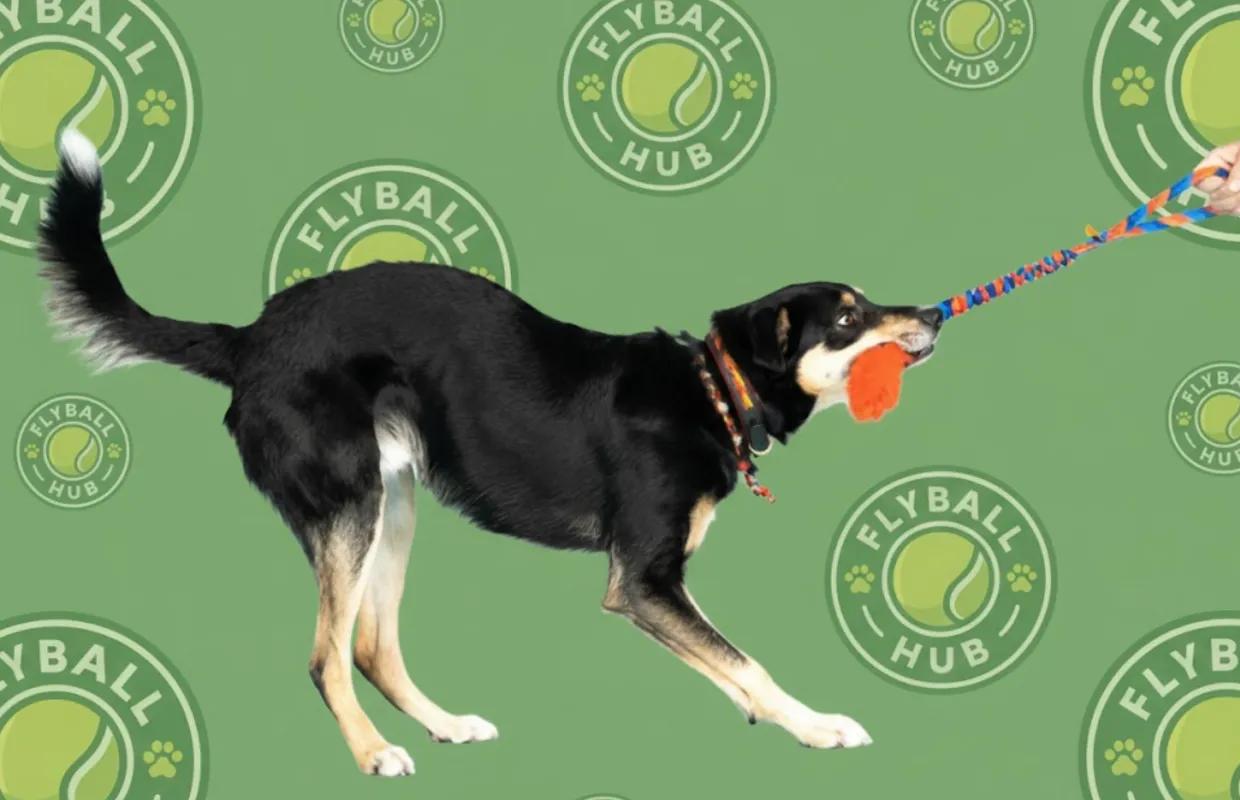
Bungee handle, not rigid. This is the most important feature. When your dog grabs the tug at speed (and they will), a bungee handle absorbs the impact instead of jarring their neck. Rigid tugs can cause injuries over time.
Long enough to reach the ground. You want to be able to drag it along the floor to trigger your dog's chase instinct. If you have to bend down to make it interesting, it's too short. For bigger safe chase games for high-drive dogs, a proper flirt pole is a better fit than trying to make a normal tug toy do everything.
Furry or fluffy texture. Dogs go mad for texture. A boring rope tug won't excite them the way a furry sheepskin or faux fur tug will. The more it looks like prey, the better.
Easy to grip for you. You'll be holding this thing while an excited dog yanks on it. Make sure the handle is comfortable and secure.
Buying cheap rigid tugs. They might look similar, but without the bungee element you're risking neck strain on your dog.
Getting one that's too small. A tug that's easy for your dog to swallow or get tangled in isn't safe. Go bigger than you think.
Only having one. Tugs get wet, dirty, and worn out. Have a backup, especially for competitions.
This is where people often get it wrong. Not all harnesses are suitable for flyball - in fact, most pet shop harnesses will restrict your dog's movement.
Look at your dog's harness from the front. Does it form a Y shape or a T shape?
Y-front (good): The straps go around the shoulders and meet at the chest, leaving the shoulder blades free to move. Your dog can run with their natural gait.
T-front (bad): A strap goes straight across the chest, restricting shoulder movement. This affects their stride and can cause long-term problems.
In flyball, dogs are sprinting flat out and need full range of motion. A restrictive harness is like asking a sprinter to run in tight jeans.
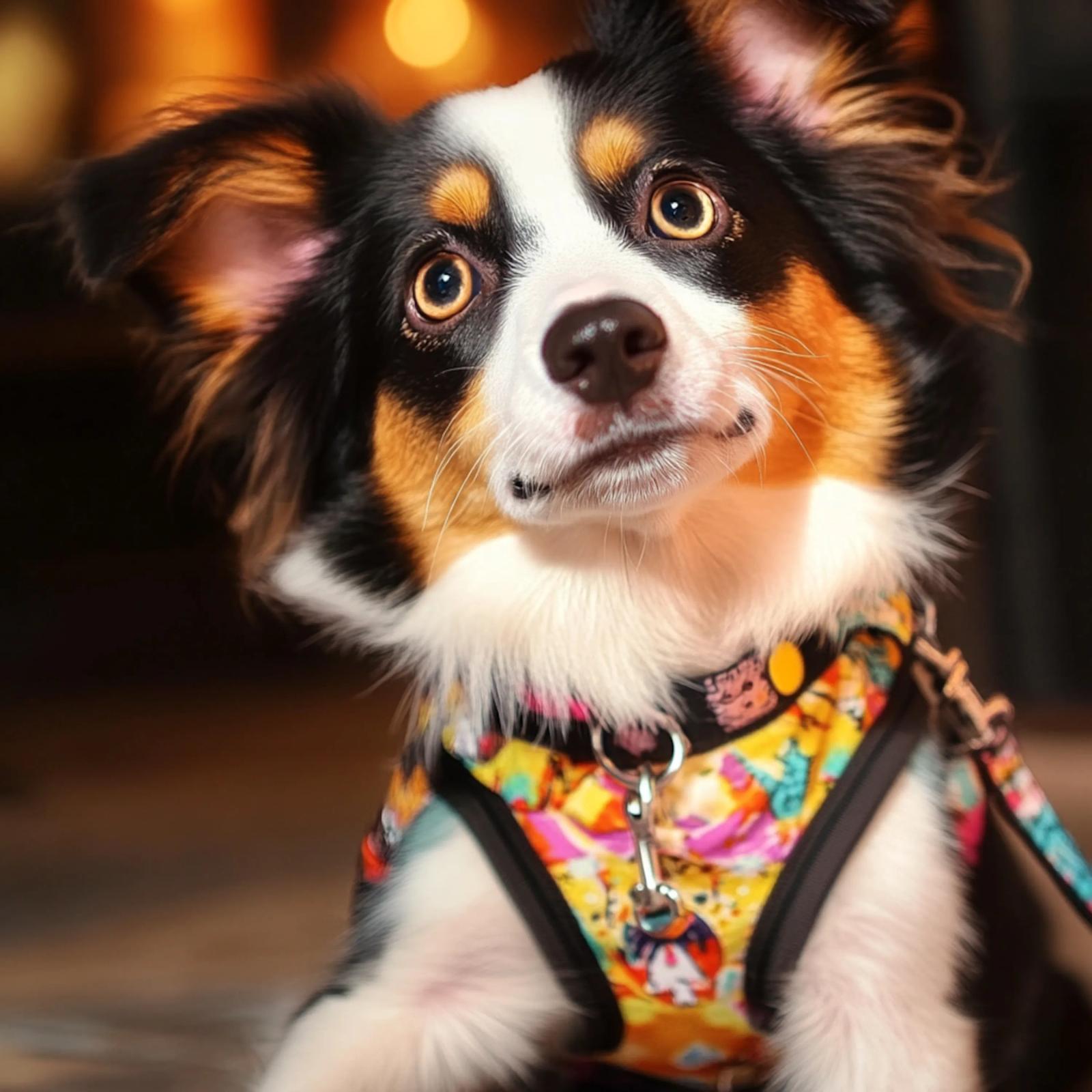
Always measure your dog properly using the brand's size guide. A harness that's technically the right style but badly fitted is still a problem.
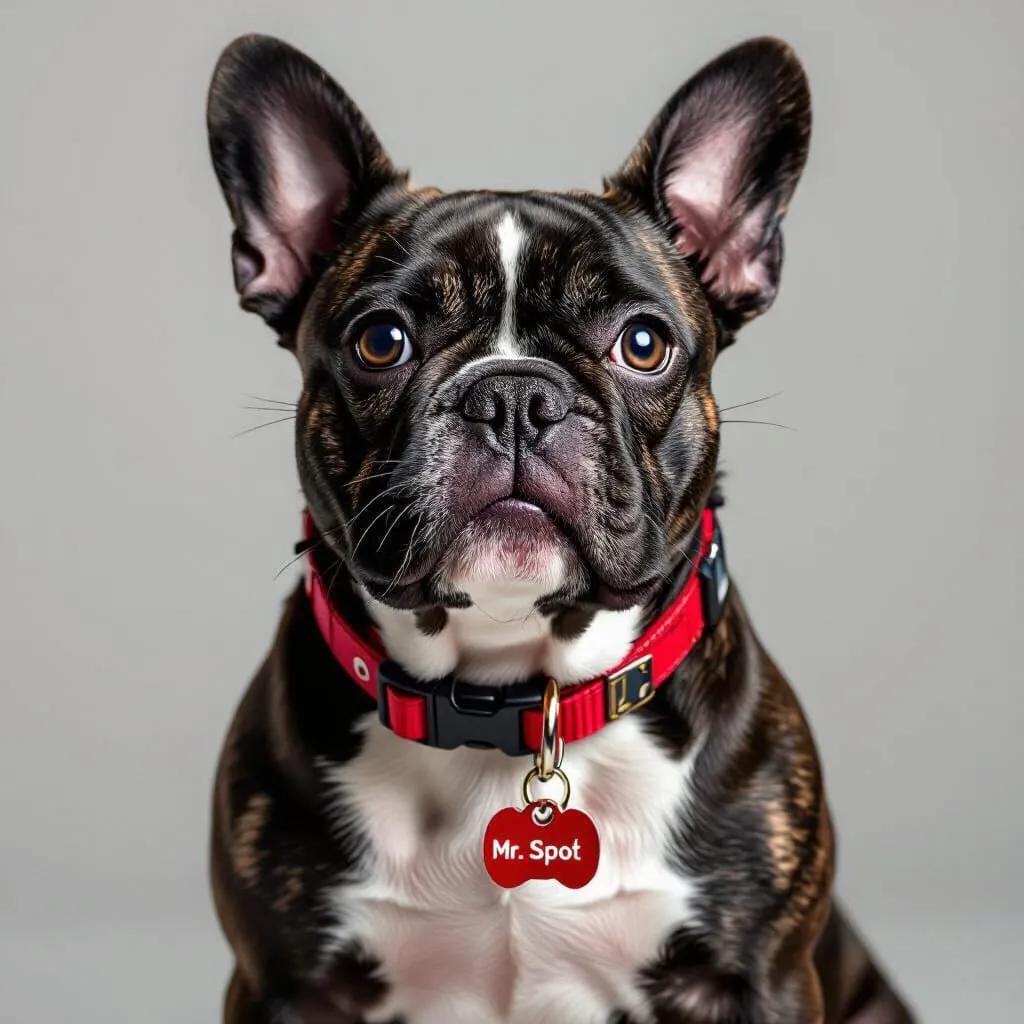
Some dogs run perfectly well in just a collar. If your dog doesn't pull and you have good control, a flat collar is the simplest option. Benefits:
However - if your dog is a strong puller, a collar puts all that pressure on their trachea. That's not safe. Use a harness instead.
Some handlers use slip leads for the walk from car to ring, but they're not suitable for actually running your dog. They tighten under pressure, which isn't what you want when your dog is excited and pulling toward the start line.
In an ideal world, flyball dogs would run completely naked - no collar, no harness, nothing to interfere with their movement. Some experienced dogs do run this way, especially at competitions.
But most dogs (and handlers) aren't ready for this. It requires:
If you're new to flyball, stick with a collar or harness. You can work toward running naked as your dog's training progresses.
Flyball venues vary. Some have perfect surfaces, others have rough mats or outdoor grass that can wear on paw pads. Options include:
Dog boots - Full protection but many dogs hate them. Takes time to acclimatise.
Paw wax - Creates a protective barrier without the weirdness of boots. Musher's Secret is popular.
Pad toughening sprays - Help build up calluses over time.
Most dogs don't need paw protection for regular training, but it's worth having something available for longer competition days.
Flyball is intense exercise. On warm days, keeping your dog cool between runs matters. For a fuller buying order, see our dog cooling products guide before spending money on mats, shade, raised beds or vests. Useful items: If your dog may slip a lead at events or on travel days, compare dog tracking systems before relying on a cheap tag.
Not essential, but smart to have in your kit bag:
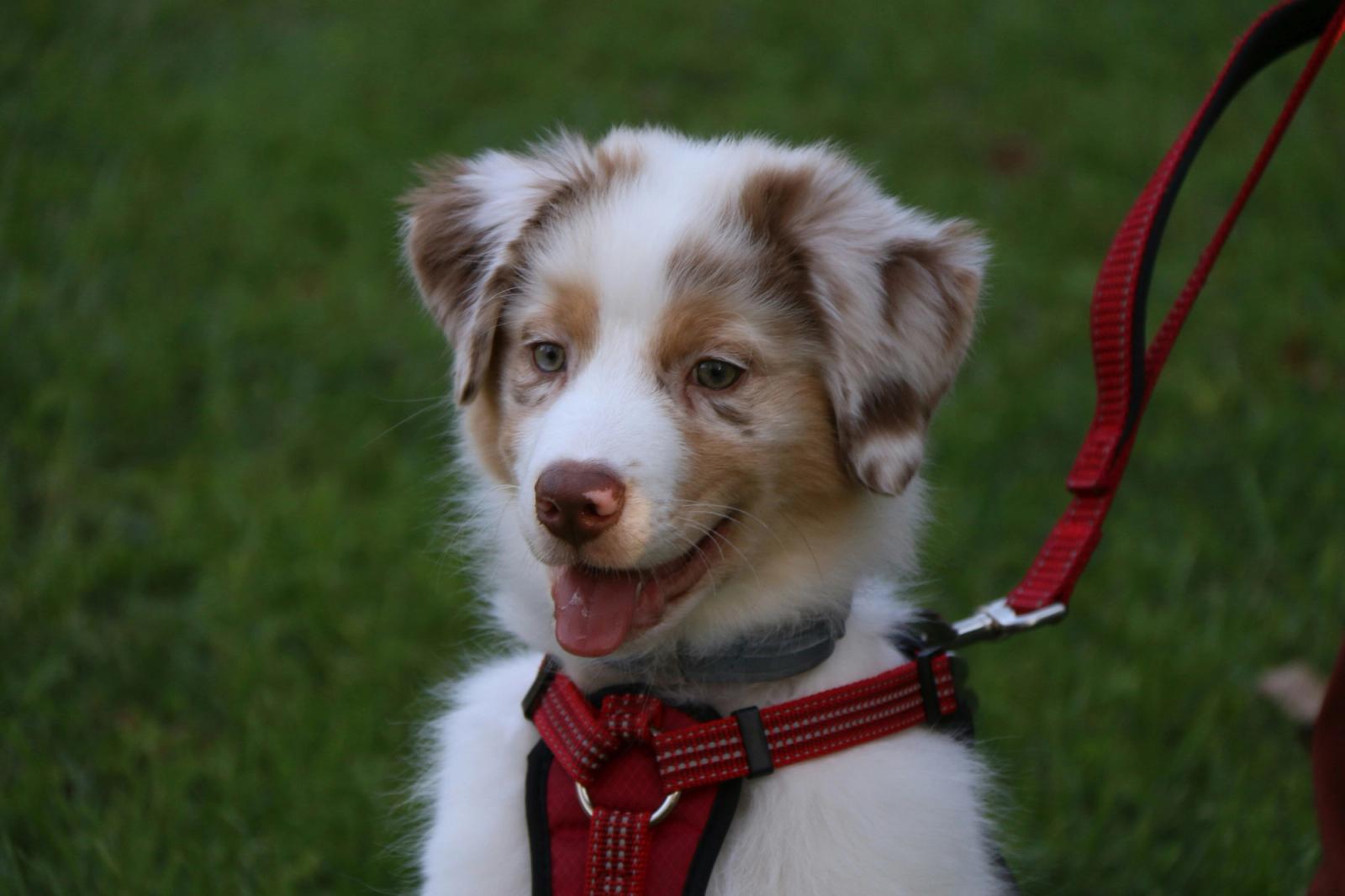
Let's be honest about the stuff that's marketed to dog sports people but isn't necessary:
Expensive "performance" leads - A normal lead is fine for getting from A to B.
Breed-specific harnesses - Ignore marketing. What matters is fit and Y-front design, not whether it says "for collies" on the label.
Supplements and "performance" foods - Unless your vet recommends something specific, a good quality regular dog food is enough.
Matching team gear for you - Save your money for your dog's kit. Nobody cares if your t-shirt matches your club colours (okay, it's a bit nice, but it's not essential).
If you're just getting into flyball, here's what to buy:
Essential:
Nice to have:
Don't bother yet:
Start simple. You can always add gear later once you know what your dog actually needs.
The best flyball gear is the stuff that works for your dog. Some dogs love fluffy tugs, others prefer rubber. Some run best in a harness, others in just a collar. Pay attention to what makes your dog happy and fast - that's more valuable than any piece of equipment.