
•Dalton Walsh
Find the best dog treats for training, with six UK picks for recall, puppy classes and flyball, plus reward levels and portion advice.
By Dalton Walsh
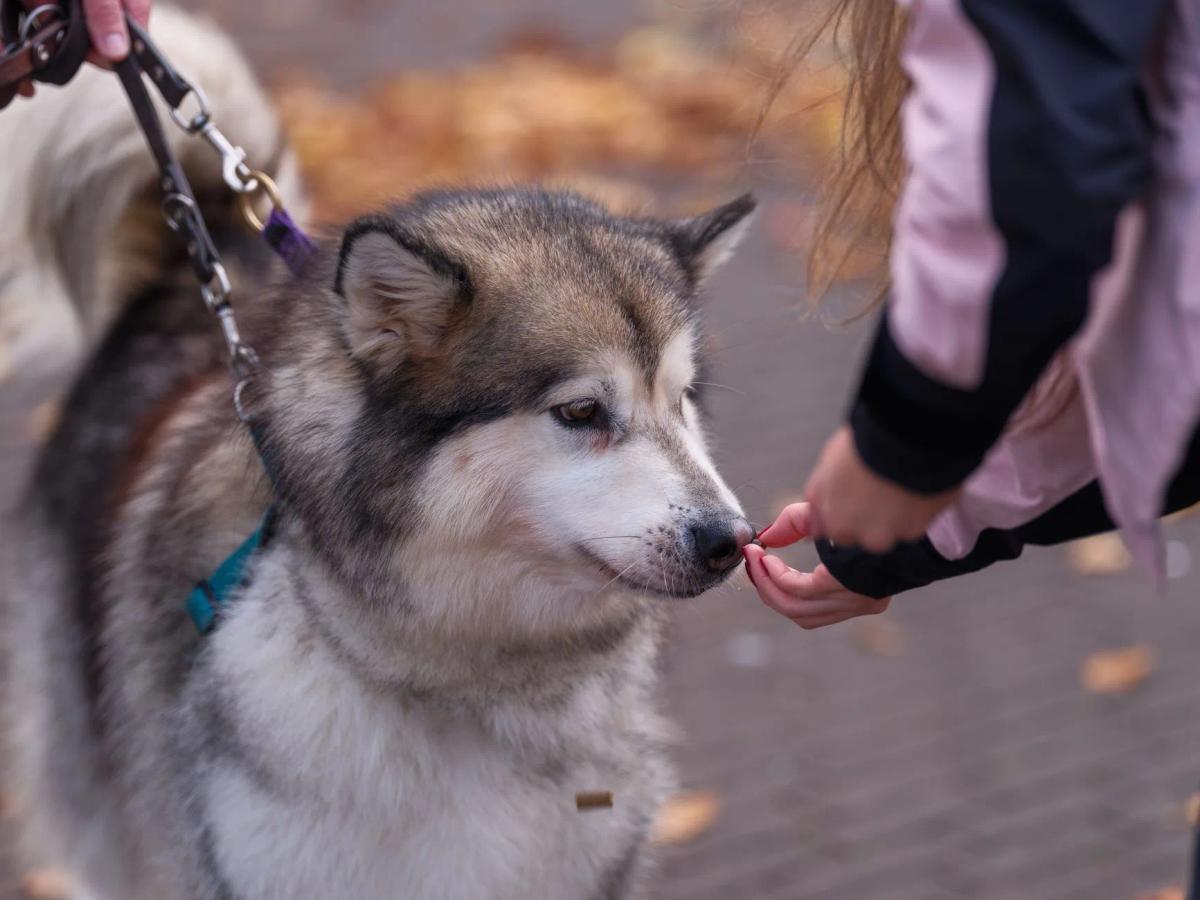
I've bought a daft number of training treats, and the best dog training treats were not always the ones I expected. Some were brilliant. Some became pocket gravel. One bag smelled so odd that the dog loved it and I spent the whole session trying not to touch my face.
The best dog training treats are not the smartest looking ones on the shelf. For real training sessions, I want small pieces, soft texture, a proper smell and as little faff as possible. If I need a knife, a chopping board and a calm ten minutes before class, that treat is already annoying me.
This guide is for normal handlers doing normal training: puppy classes, recall practice, flyball groundwork, start line focus and those tiny moments where your dog nearly made the right choice. It is written from a UK shopping point of view, but the same test works anywhere. Does your dog want it, can they eat it fast, and does it suit the job?
Reward based training is not just a nice idea. The PDSA and the Royal Kennel Club both point owners towards reward based methods. That lines up with what you see at club: dogs repeat the stuff that pays well.
The best dog treats for training are small, soft rewards your dog can eat quickly and wants enough to beat the distraction. Forthglade Soft Bites suit everyday reps, JR Pure Meat Sticks or chicken suit harder recall, Little Trainers suit puppies and small dogs, Lily's Kitchen is tidy for classes, and Wagg is the budget pick. The dog decides what counts as high value.
High value treats for dogs are the rewards your dog will choose when normal food cannot beat a distraction. Use everyday food or simple soft treats for easy repetitions, step up to meat sticks for harder work, and save chicken or hot dog for recall, new places and jackpot moments. The dog decides the value, so test each reward where you plan to use it and keep every piece small.
Soft treats are usually better for quick repetitions because dogs can swallow and reset. Crunchy treats can still suit easy, slower work or dogs that genuinely prefer biscuits.
Soft: quick to eat, stronger smelling and suited to recall, puppy classes and flyball foundations. Crunchy: tidy to carry, often cheaper and suited to easier drills or dogs that enjoy the texture. Keep pieces small for both types and count them within your dog's daily food allowance.
Crunchy rewards make sense for low-distraction practice, occasional lower-value rewards and exercises where a short chewing pause does not break the flow. The drawback is crumbs and chewing time, which can slow rapid repetitions.
A training treat has one job. Your dog should want it, eat it quickly and come back for the next rep.
Small pieces win. Pea sized is plenty for most dogs. If your dog has to stop, chew, lick crumbs off the floor and reset their brain, the treat is too big for fast work.
Soft treats usually beat hard biscuits outdoors. Dry biscuits are fine for easy kitchen training, low-distraction practice and occasional lower-value rewards, but crumbs and chewing time slow everything down when you are trying to mark a clean recall or a bit of start line focus.
Smell matters more than the packet. Humans buy tidy bags with nice labels. Dogs buy with their nose. If a treat smells slightly grim to you, there is a fair chance your dog thinks it is outstanding.
I also care about how treats behave in a pouch. Some turn into dust. Some go greasy. Some glue themselves into one lump after half an hour in light rain. Flyball fields are a good test of honesty for dog products.
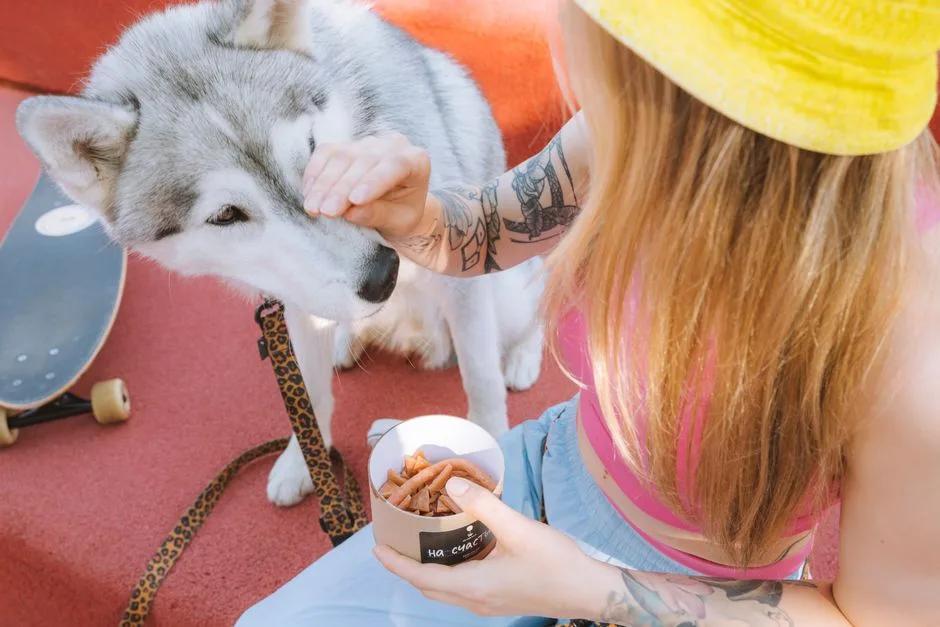
Reward level: medium to high for many dogs. I would use these for ordinary repetitions, then check whether your dog still finds them valuable around bigger distractions.
Forthglade Soft Bites are still one of the easiest recommendations. They are soft, small enough for training and smelly enough to matter without being vile to handle.
They are usually around £3.50 to £4.50 for a 90g bag. That is not cheap if you train every day, but the texture is right. They work nicely for puppy class, basic recalls and food work before a flyball session.
The downside is crumble. If the bag gets squashed under a water bottle, your pouch can end up with a layer of treat dust at the bottom. Dogs do not care. Your washing machine might.
Best for: everyday training, puppy rewards and quick reps.
Reward level: likely high value. These are a sensible recall or jackpot choice when your dog needs a stronger reason to leave a distraction.
JR Pet Products Pure Meat sticks are useful when you want something simple and a bit more exciting. Many are single protein, which helps if your dog does badly on mystery mixes.
They often sit around £4 to £6 a pack depending on the flavour and size. I like them for recall because you can tear off pieces that feel special. The smell is strong enough to get attention without ruining your hands for the rest of the day.
The faff is the tearing. I always tell myself I will prep them the night before. I almost never do. If you are more organised than me, they are a strong option.
Best for: recall, sensitive dogs and harder distractions.
Reward level: medium to high, depending on the dog. They can suit puppy classes and manners work, but test them before relying on them for a difficult recall.
Lily's Kitchen training treats are the tidy option. Many dogs like them, and owners tend to feel happier about the ingredient list.
They are often around £3 to £4 a bag. I find them better for normal training than for the truly difficult stuff. Some dogs think they are amazing. Others would rather have the smellier meat based treats, which feels very on brand for dogs.
If you have a puppy and want something easy to carry, they are worth testing. For a recall away from squirrels, I would still take chicken or hot dog.
Best for: puppy classes, manners training and lower mess sessions.
Reward level: everyday reward for many dogs. They are useful for easy repetitions and budget sessions, not automatically the best answer for hard outdoor recall.
Wagg Training Treats are not fancy. They are cheap, easy to find and small enough for lots of reps.
A 125g to 200g bag is often around £1.50 to £3. That makes them useful when you are rewarding simple behaviours or doing a busy class where the treats keep flowing.
I would not use them as my best recall reward. Some dogs love them, though. Some accept them with the joy of someone eating a plain cracker because there is nothing else in the cupboard.
Best for: budget training, easy work and big volume sessions.
Reward level: everyday reward for many dogs. Their small size suits rapid reps, while the clearly disclosed sponsor placement remains separate from this independent comparison.
Barker and Barker Little Trainers are tiny, which is exactly what I want for puppies, clicker work and small dogs.
They cost more per gram than supermarket treats, but the size means a tub lasts longer than you expect. You can reward often without handing over half your dog's dinner.
They are not my first choice for muddy field recall. They are neat rather than wildly exciting. That is fine. Not every reward needs to be a jackpot.
Best for: puppies, clicker training and small dogs.
Reward level: likely high value for many dogs. Keep pieces tiny and use them sparingly because rich food can be messy and adds up quickly.
The best dog training treats sometimes come from your fridge. Cooked chicken, tiny cheddar cubes and chopped hot dog pieces are still hard to beat when recall gets difficult.
They are cheap compared with many branded treats, especially if you cut them small. They also smell like real food. That matters when your dog is deciding between you and the suspicious hedge.
The trade off is mess. Cheese gets sweaty. Chicken needs sensible storage. Hot dog pieces make your pouch smell like a burger van. I still use them because dogs are honest and they keep telling us this stuff works.
Best for: recall, high distraction areas and jackpot rewards.
For puppies, choose tiny, soft rewards they can swallow quickly. Barker and Barker Little Trainers, broken-up soft bites, cooked chicken or a few pieces from normal food are practical first picks. Use normal food for easy repetitions, then save richer treats for recall, busy classes and early flyball foundations. Keep portions small and avoid foods that upset your puppy's stomach.
I would start with Barker and Barker Little Trainers, Forthglade Soft Bites broken smaller, or a mild soft treat your puppy already digests well. If your puppy has a sensitive stomach, keep the ingredient list boring. Training falls apart fast if every class leads to a dodgy tummy.
Use part of your puppy's normal food for easy work at home. Save the better treats for new places, recall, handling practice and anything your puppy finds hard. That way the good stuff keeps its power.
Be careful with rich foods. Cheese and sausage can be brilliant, but tiny pieces really do mean tiny pieces. A puppy does not need a fistful of cheddar to learn their name.
Recall is where treat choice matters most. You are competing with other dogs, smells, people, wildlife and freedom. A high value training treat has to win that argument, so use the reward-level table above as a starting point and then test what your dog values most. High value dog treats are worth saving for the moments where your dog has to turn away from something genuinely interesting.
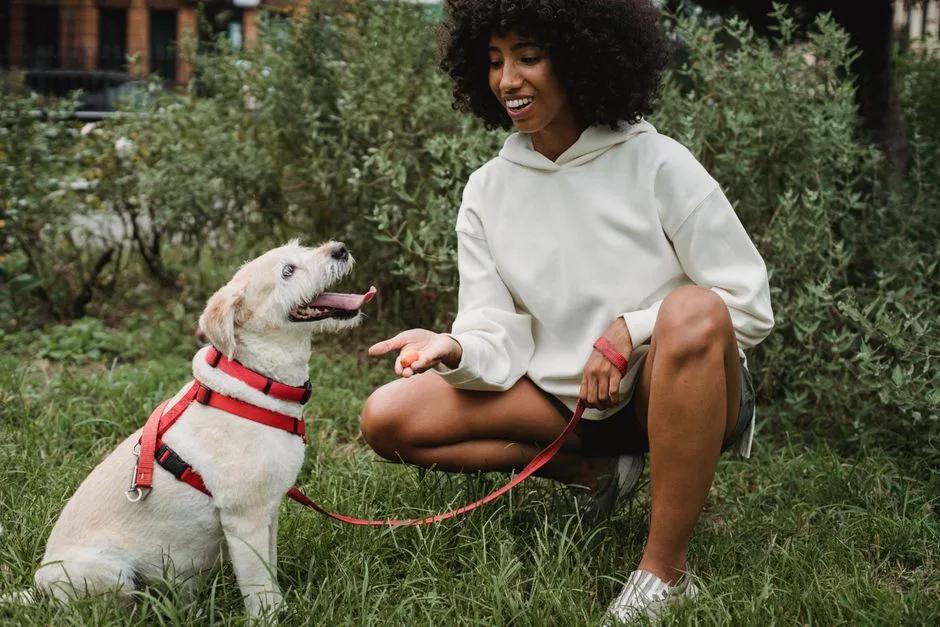
For easy recall at home, normal soft treats are fine. In the garden, I might step up to Forthglade or JR pieces. In a park, or anywhere my dog is likely to make questionable life choices, I bring chicken, cheese or hot dog.
The reward should match the difficulty. If your dog comes away from a sniff, pay well. If they come away from another dog, pay very well. If they turn on a sixpence away from a rabbit, give them the good stuff and try not to look too smug.
Your treat delivery matters too. Do not call your dog, give one tiny treat, clip the lead on and march home every time. That teaches them that recall ends the fun.
Call them, reward them properly, have a little party, then let them go again when it is safe. For the training pattern behind that, read our recall training guide.
Flyball dogs can be strange about food. Some are so toy obsessed that food barely registers near a lane. Others will work for a crumb if it means they get another go.
For full run backs, many handlers use a tug rather than food. A good tug keeps the dog's head up, builds return speed and keeps the game moving. If your dog loves toys, our tug toy guide is worth a look.
I still like food for groundwork, focus near other dogs, start line manners, body awareness, box turn foundations and calm waiting. That is where high reward dog treats earn their space in the bag, while tug toys remain a good alternative for dogs that value play more than food.
For fast reps, choose soft tiny treats. Forthglade, Little Trainers and small DIY chicken pieces all work. For bigger wins, use something smellier from the higher-reward end of the table. The reward has to feel worth it when your dog is full of adrenaline.
If you are new to the sport, the flyball gear guide covers the rest of the kit you actually need.
A treat pouch sounds boring until you use a bad one. Then it becomes the most annoying bit of kit you own.
I like a wide opening, washable lining and a clip that does not ping off when the dog jumps up. Magnetic closures are nice, but I do not trust them with greasy chicken unless the pouch is deep.
Keep two reward levels if you can. Normal treats on one side, jackpot treats in a small tub or separate pocket. That makes it easier to pay properly without digging around while your dog wonders what happened to the game.
A cheap silicone dog treat pouch works for wet rewards. A fabric dog treat pouch with washable liner is nicer for dry or semi soft treats. If you train in rain, pick something that rinses out easily.
Training treats count as food. They should come out of your dog's daily amount, especially for small dogs and puppies.
The Royal Kennel Club obesity advice is a useful reminder that extra food can creep up quickly. Treats are tiny until you feed a hundred of them. Then they are breakfast.
I keep training pieces very small and use lower calorie rewards for easy work. For rich rewards like cheese or sausage, I use fewer pieces and save them for hard moments.
If your dog has allergies, pancreatitis, weight issues or a medical diet, ask your vet before changing treats. You can also use life rewards: release to sniff, run to a toy, chase you for three steps. Food is useful, but it is not the only thing your dog can earn.
If I were setting up a new treat kit today, I would buy one everyday soft treat, one higher value meat treat and one pouch that can be washed properly.
For puppies, I would start with Little Trainers or very small soft bites. For recall, I would use cooked chicken or JR meat sticks. For flyball groundwork, I would use Forthglade or chopped chicken because they are fast to eat.
For budget work, Wagg is fine. Do not let anyone make you feel bad for using cheap treats if your dog likes them and they suit their stomach. Expensive treats are not magic. The dog decides what has value.
Avoid hard biscuits for fast training, giant treats that need chewing and anything that makes your dog itchy or gassy. Also avoid buying ten bags before testing one. Dogs enjoy making fools of us like that.
Healthy dog treats, natural dog treats and low calorie options can be useful filters, but the dog still decides what has value in a real training session.
Good training treats for dogs are small, soft rewards they can eat quickly and want to work for. Soft bites and tiny trainers suit ordinary sessions, while meat sticks, chicken or hot dog can be useful for recall and bigger distractions. Choose what your dog enjoys and digests well.
Good puppy training treats are tiny, soft and easy to swallow. Use small pieces of Little Trainers, soft bites, cooked chicken or normal food, keep portions modest, and save the richer choices for a difficult recall or busy class.
High value treats for dogs are rewards they choose over normal food when distractions are strong. Chicken, hot dog, JR Pure Meat Sticks and tiny cheese pieces are common choices. Use small portions for recall, difficult skills and busy places, and choose a food your dog enjoys and digests well.
Use high reward treats for recall, new places, difficult skills and busy competition environments. Keep ordinary treats or normal food for easy repetitions, and keep rich food pieces tiny so they still fit within your dog's daily food allowance.
Crunchy rewards are fine for easy, low-distraction training if the pieces are small. For recall, puppy classes and fast flyball repetitions, soft treats are usually quicker to eat and easier to deliver.
If you only buy one bag, buy Forthglade Soft Bites or something similar: small, soft and smelly. If you are working on recall, add chicken or hot dog pieces for the hard stuff. If you have a puppy, keep the pieces tiny and do not overdo the rich rewards.
The best dog training treats are the ones your dog will work for in the place you are training. That might be a branded soft bite. It might be leftover roast chicken in a sandwich bag. It might be a tug toy because your dog thinks food is boring.
Try a few, watch your dog, and be honest about what gets the best response. Dogs are not subtle. If the treat is good enough, they tell you.
Related: If your dog needs more than food rewards, start with dog sports for high energy dogs or our guide to how to tire out your dog.