High-Drive Puppy Sports Training: Building Focus for Flyball
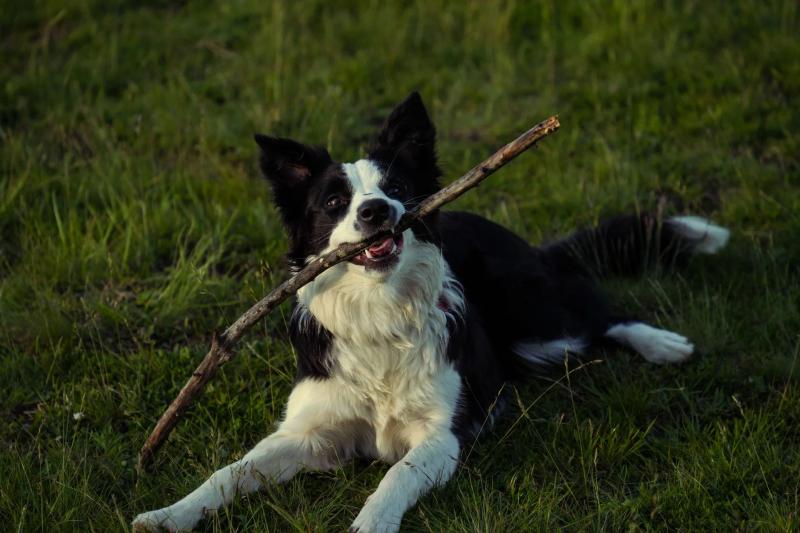
A high-drive puppy is a gift and a challenge. The same energy that makes them a future flyball star can make them a nightmare in the house, the car, and the training hall. If you have a collie, spaniel, malinois, or working-line Labrador pup bouncing off the walls, this guide is for you. It covers how to start sports training with a high-drive puppy without burning them out or breaking their confidence.
What "high drive" really means
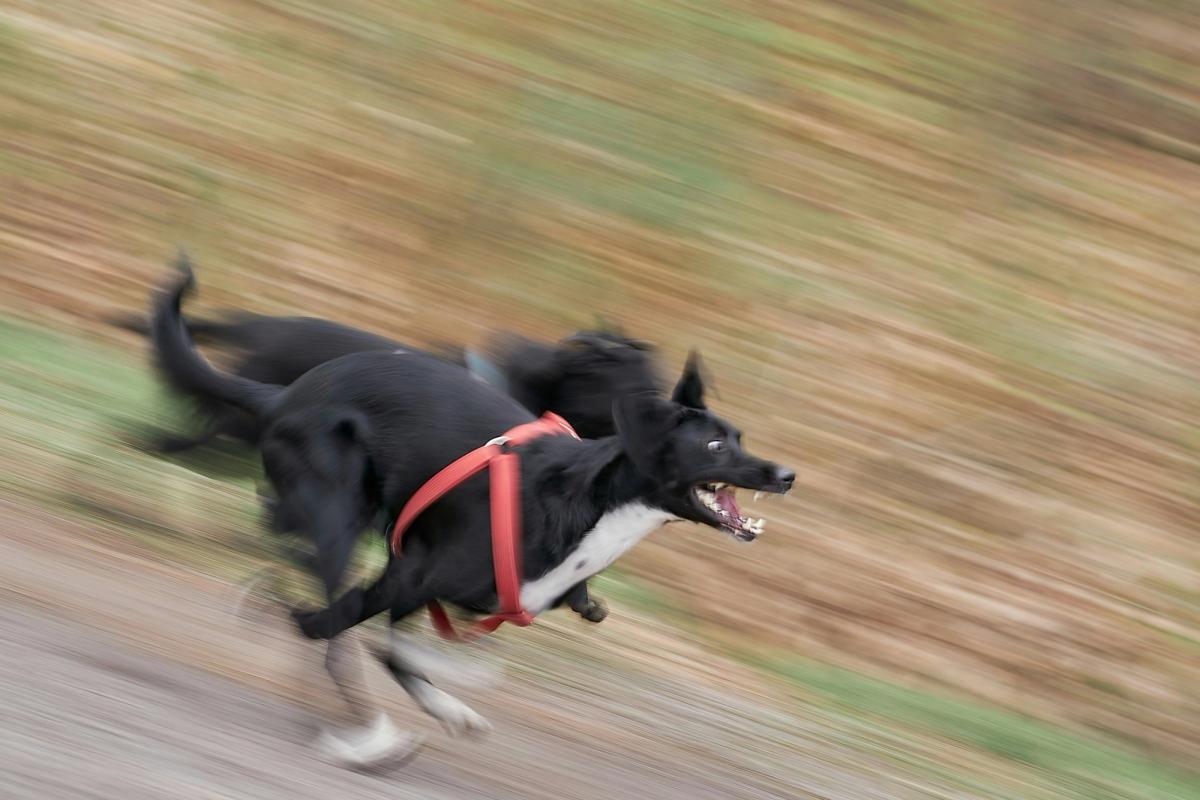
High drive is not bad behaviour. It is intense motivation for movement, play, and chase. These pups often:
- Struggle to settle after excitement
- Fixate on toys, other dogs, or handlers
- Bark, spin, or mouth when over-aroused
- Learn fast but plateau if training becomes frustrating
The goal is not to dampen the drive. It is to teach the puppy how to turn the energy on and off.
When to start flyball-specific training
BFA rules say a dog must be 15 months old to compete. That does not mean you wait until 15 months to train. You just train the right things at the right age.
8 to 16 weeks: foundations
- Recall games: short recalls in low distraction spaces. Use two people and a long line.
- Toy exchange: teach the puppy to drop a toy for another toy, not just for food.
- Settling: crate or mat training so the puppy learns to switch off around other dogs.
- Body awareness: wobble boards, low platforms, and t-touch. This builds confidence for later box work.
16 weeks to 6 months: control and channeling
- Wait and release: teach the puppy to wait until released to a toy. This is the foundation of a start-line stay.
- Tug with rules: the toy is yours. The puppy only gets it when they release on cue. Stop the game if teeth touch skin.
- Short ball chases: roll a ball, let the puppy chase and bring it back. Do not throw high or ask for jumps. The goal is drive for the ball coming back to you.
6 months to 12 months: building skills
- Low jump grids: set jumps at elbow height and work on striding. Keep sessions under five minutes.
- Channel work: guide the puppy through a channel to a box facsimile. No turning yet. Just running straight to a ball reward.
- Noise desensitisation: play crowd noise, barking, and starter box sounds at low volume while the puppy eats or plays. Ramp up gradually.
12 months to 15 months: pre-competition polish
- Box turns on a ramp or soft box: swimmer's turns with all four feet. Reward the foot placement, not the ball grab.
- Full runs over jumps: keep spacing to BFA standard 10 feet. Watch for knuckling or uneven striding.
- Passing with a calm older dog: start with boxes side by side, not overlapping. Build to crossing dogs only when the puppy is confident.
Calm-focus games for high-drive puppies
These exercises teach the puppy that arousal does not always mean action.
The sixty-second settle
Give the puppy a chew or food toy on a mat. Sit nearby and do nothing. If the puppy leaves the mat, quietly return them without fuss. Gradually extend to sixty seconds. This is not punishment. It teaches the puppy to self-regulate.
Two-toy retrieve
Hold one toy behind your back. Throw the other. As the puppy brings it back, show the hidden toy. When the puppy drops the first, throw the second. This builds the retrieve chain: chase, grab, return, release. No treats needed.
Zen bowl
Place a bowl of food on the floor. Cover it with your hand. Wait. The moment the puppy stops pawing, licking, or barking, uncover the bowl and say "yes." Repeat. The puppy learns that calm gets the reward, not effort.
Bite work and mouthing: safety and control
High-drive puppies often redirect excitement into biting clothes, leads, or handlers. This is normal but needs addressing before flyball classes where adrenalin runs high.
- Remove the target: if the puppy bites your sleeve, stop moving. A still target is boring. Resume play only when the mouth is soft.
- Redirect to a legal bite: keep a rope toy or rubber ring on you at all times. Offer it the instant mouthing starts.
- Time-out: if redirection fails, calmly remove the puppy from the game for ten seconds. Return and restart. Consistency matters more than duration.
Never punish a high-drive puppy harshly. They are sensitive to handler pressure and can shut down or redirect into worse behaviour.
Recall proofing for noisy halls
Flyball venues echo. There are dogs running, handlers shouting, and boxes clanging. A puppy that recalls in your garden may not recall in a hall.
- Layer distractions gradually: add one at a time. A running dog. A person clapping. A box being loaded.
- Use a long line in new spaces: safety first. Only go off-lead when the recall is consistent at 90 percent or better.
- Reward heavily for check-ins: if the puppy looks at you unprompted during free play, mark and reward. You want the puppy to choose you over the environment.
What to avoid
- Repetitive jumping before 12 months: growth plates close at different ages. Keep jump heights low and sessions short to protect joints.
- Full-speed box work on hard boxes: use a ramp, a soft box, or a box wrapped in foam. Impact on immature joints is a real risk.
- Practising with over-aroused dogs: if your puppy is already spinning and barking, you are not training. You are rehearsing chaos. Lower the excitement or stop.
- Competing before 15 months: BFA rules exist for welfare. Early competition risks injury and creates bad habits that are harder to fix later.
Gear for training a puppy
- Long line: 10 to 15 metres. Biothane or rope.
- Soft balls: avoid hard tennis balls for puppies. They damage teeth. Use foam or rubber fetch balls.
- Clicker or verbal marker: choose one and stick with it.
- Crate or pen: essential for settling practice at training nights.
- Treat pouch: high-value rewards cut small. Chicken, sausage, or cheese work well.
Final thoughts
Training a high-drive puppy for flyball is about patience and structure. These dogs want to work. Your job is to show them how. Build calm focus first, then layer in speed. Keep sessions short, end on a win, and remember that the best flyball dogs are not the fastest puppies. They are the ones who learned to think while running.
For a complete guide to flyball training from foundations to competition-ready skills, see our flyball training guide for UK teams.
If you are looking for a team, use the Flyball Hub team finder to locate clubs near you. Many run puppy-friendly training sessions where your high-drive youngster can socialise safely.