•Dalton Walsh
Dog cooling products for hot days: mats, vests, raised beds and shade kit, with practical picks for crates, flyball training and UK tournaments.
By Dalton Walsh
Updated for current UK cooling mat options and active-dog use.
If your dog trains, competes, or treats every walk like a timed event, hot weather changes the whole plan. Ten minutes of sprint work can flatten a fit dog. A crate that felt fine in April can feel stuffy by June. The best dog cooling products help, but they do not replace shade, water and a handler with enough sense to stop early.
If you are searching for the best cooling products for dogs, start with the basics: somewhere cool to rest, a way to keep air moving, and kit your dog will actually tolerate.
I am fussy about this stuff because flyball dogs run hot. They sprint, bark, tug, wait, then do it again. I have seen dogs cope brilliantly with a simple wet coat and a shaded crate, and I have also seen expensive cooling gear sit unused because the dog hated the feel of it.
So this is the practical version. What I would buy. What I would borrow first. What I would leave on the shelf.
For most handlers, the best dog cooling products are a large cooling mat, shade kit, raised bed and a cooling vest only if your dog accepts wearing one. Bandanas and frozen treats can help, but they should sit behind shade, water and proper rest.
If I had to buy one cooling product first, I would buy a large gel cooling mat. For most UK dogs it is the simplest win: crate rest, car stops, home recovery and tournament waiting. Then add a vest if your dog trains in warm weather, and a raised bed if you spend long days outside.
If you are buying a cooling vest, use it for moving dogs, not crate rest. A good vest should be light in colour, easy to wet, comfortable around the shoulders and loose enough that your dog can run, turn and breathe normally. For flyball, I would use one for warm-up walks or short training breaks, then switch back to shade, water and rest.
For most handlers, the best dog cooling mat is a large pressure-activated gel mat that your dog can lie on fully. I would pick size and durability before brand name. If your dog chews bedding, use it only while supervised or skip gel mats altogether.
Found this while looking for a 2021 cooling mat list? I would treat older roundups as a starting point, not the final answer. The basics still hold: buy a mat big enough for your dog to lie flat, use it in shade or in the crate, and avoid gel mats for dogs that chew bedding. This guide is written for current UK options and active dogs that need safe rest between sessions.
Best for crates: wipe-clean mat that fits the crate floor without curling.
Best for bigger dogs: XL mat with sealed edges and enough surface area to stretch out.
Best for chewers: supervised use only, or avoid gel mats.
Best for flyball days: mat plus shade, airflow and water, not a mat on its own.
Choose the vest first only if the dog is still moving in warm weather and accepts wearing kit. Choose the mat first for crate rest, car stops and home recovery. Choose shade first if you are at a tournament all day.
Use this as a practical product roundup before you get into the detail. Cooling products can improve comfort, but they do not make hot weather training safe by themselves.
I would rather give you the buying rules than pretend one mat is perfect for every dog, because a Border Collie in a crate, a staffie in the garden and a chewer at a tournament need different choices.
Cooling mat: best first buy for crate rest, car stops and home recovery. Good UK examples include Scruffs, Trixie and Rosewood gel mats. Watch out for thin mats, split seams and sizes that are too small for the dog to lie flat.
Evaporative cooling vest: best for warm training when shade and water are already sorted. Good examples include the Ruffwear Swamp Cooler and Hurtta Cooling Vest. Watch out for poor shoulder fit and vests that dry out quickly.
Elevated mesh bed and shade kit: best event setup for tournaments, agility shows and long outdoor days. Look for a folding raised bed, a pop up shade and airflow around the crate. Watch out for hot ground and unshaded patios.
Travel water bottle, spray bottle and cooling bandana: useful extras for light walks, between runs and dogs that dislike coats. They are handy, but they should sit behind shade, rest and water in the buying order.
My own kit is boring. Cooling mat in the crate, raised bed in the shade, wet vest before warm up, water everywhere. It is not glamorous, but it works.
A dog doing flyball, agility, canicross, hoopers, gundog training, long walks, or garden play can produce a lot of heat in a short time. In flyball, the run itself is brief, but the excitement around the run is part of the load. Barking in the queue, pulling towards the lane, playing tug after the run, all of that adds up.
Dogs mainly cool themselves by panting. They have sweat glands in their paw pads, but not enough to cool the body the way humans do. That is why a dog can look fine one minute and then suddenly look wrong: heavy panting, glassy eyes, bright red gums, wobbling, or refusing food.
The Dogs Trust hot weather advice is worth reading before summer starts. I would rather have that information in my head and never need it than be Googling symptoms in a car park.
A gel cooling mat is usually the first thing people buy. It is also the thing most dogs either love or completely ignore.
The good ones are pressure activated. Your dog lies down, the gel absorbs body heat, and the surface feels cooler than the dog. No freezer, no plug, no faff. For crate rest between flyball races, that is exactly what you want.
What matters is durability. Cheap mats can split at the seams, bunch up, or feel so slippery that the dog refuses to settle. I would rather buy one decent large mat than replace three flimsy ones across a summer.
Look for:
For UK buyers, Scruffs cooling mats and Trixie cooling mats are easy to find and usually sit around £15 to £35 depending on size. Rosewood is another common pet shop option. For a Border Collie, working cocker, staffie, or similar, I would usually go large.
One warning: do not leave a gel mat in direct sun and expect miracles. Put it in the shade, inside a crate, or on a cool floor. A mat lying on hot patio slabs is fighting a losing battle.
Cooling vests are the bit of kit I reach for when the dog is going to be moving around, not just resting. You soak the vest, wring it out, put it on, and let evaporation do the work.
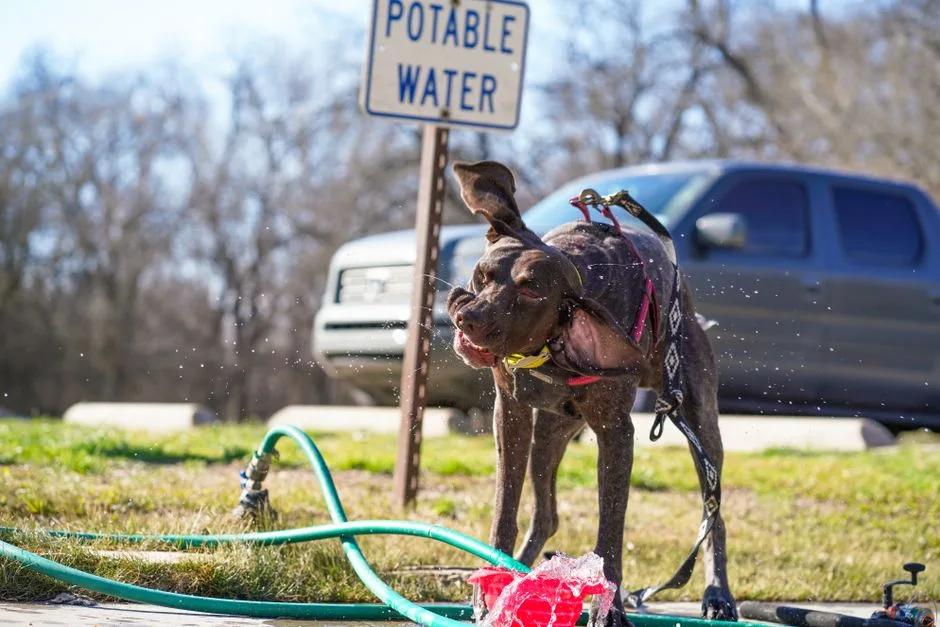
A good vest should cover the back, chest and belly without blocking shoulder movement. That last bit matters for sports dogs. If a vest pinches behind the front legs or restricts reach, I would not use it for warm up work.
The Ruffwear Swamp Cooler is expensive, usually around £60 to £90 depending on size and stockist, but it is the one I keep coming back to. It holds water well, fits a lot of athletic dogs nicely, and does not feel like a soggy tea towel after five minutes.
The Hurtta Cooling Vest is another good option, often around £40 to £60. I like it for dogs that need more belly coverage. It can be a better shape for some long backed dogs.
Budget evaporative vests on Amazon can work too. Search for a dog evaporative cooling vest. Expect £15 to £30. The cheap ones tend to dry faster and the fit is more hit and miss, but they are fine if you only need occasional use.
Do not put a cooling vest on and then forget about it. Once it dries, it is just an extra layer. Re wet it often, especially on breezy days.
Cooling bandanas are simple. Wet them, wring them out, fasten around the neck. They are cheap, light, and easy to pack in a training bag.
They are also limited. A wet bandana can make a dog more comfortable, but it will not protect a hard running dog on a properly hot day. I use them for light walks, waiting around, or as an extra little help after a run.
If you buy one, get a fastening that is secure and quick. Velcro or a clip is easier than tying damp fabric around a wriggling dog. A dog cooling bandana is usually £5 to £12.
They are also good for dogs that hate coats. Some dogs freeze as soon as a vest goes on. A bandana feels less odd and can be a decent halfway step.
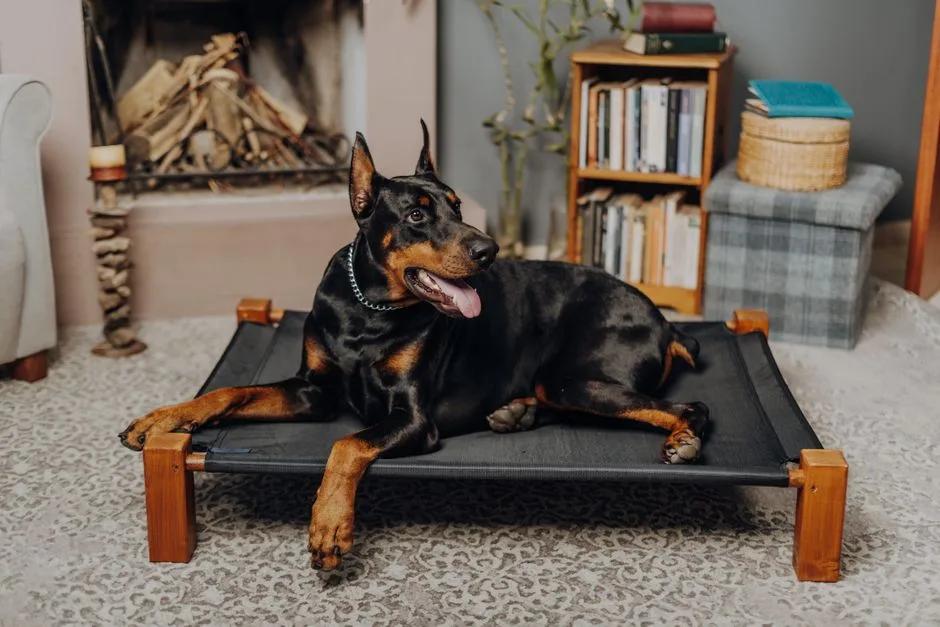
This is the product I wish more people took to summer events. An elevated mesh bed lifts the dog off hot ground and lets air move underneath. It does not actively cool the dog, but it stops heat building from below.
At outdoor flyball tournaments, agility shows, or long training days, the ground can get much hotter than the air. Tarmac and artificial surfaces are the worst. Grass is better, but a raised bed still helps.
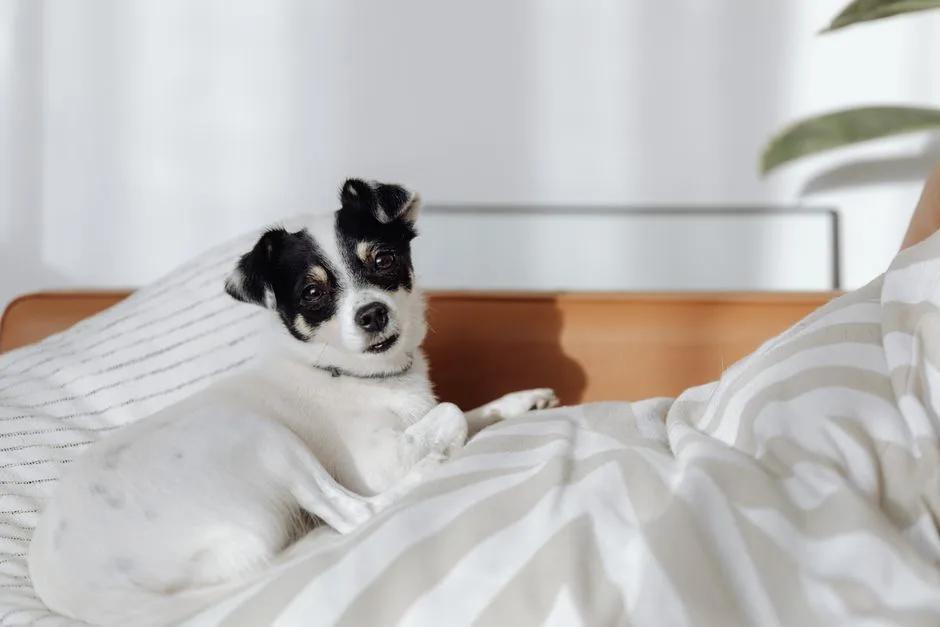
I like a folding elevated dog bed for event days. Veehoo, PawHut and Amazon Basics all make versions in the £25 to £50 range. Pick one with a firm frame and enough room for your dog to stretch out.
Use it in shade. Add a damp towel or cooling mat if your dog likes that. If your dog is a chewer, supervise first, because mesh corners can become a project for bored teeth.
No cooling product beats shade and water. That sounds obvious until you are at an event and the only available shade is already packed with crates.
For competitions or long training days, I would rather see someone bring a pop up shade, water containers and a crate fan than another fancy gadget. A simple battery fan clipped outside the crate can help airflow. Do not point it straight at a soaked dog for ages in cool wind, but in warm still air it makes the crate less stuffy.
A portable dog water bottle or collapsible bowl is cheap and useful. Bring more water than you think you need. Some dogs drink badly at events, so practise offering water during normal training days rather than waiting for a tournament.
The PDSA summer advice for dogs is sensible on the basics: avoid the hottest part of the day, watch pavement heat, and know when to stop.
I would skip clip on fans that attach to collars or harnesses. They look funny, but most are weak, noisy and annoying for the dog.
I would skip tiny gel pads sold as cooling mats for medium dogs. If the dog cannot lie on it properly, it is not doing much.
I would also skip anything that promises dramatic body temperature drops without explaining how it works. Cooling is boring physics. Evaporation, shade, airflow, water, distance from hot ground. If a product sounds like magic, I do not trust it.
Frozen treat toys are fine for enrichment. I use them. I just would not count them as a cooling plan for a sports dog after hard exercise.
Paddling pools are useful at home if your dog likes water, but they are bulky and not always practical at tournaments. Keep sessions short and supervised.
Cool towels can help after light exercise or on travel days. They are easy to pack, but they warm up quickly and need re wetting.
Crate fans help airflow on still days, especially when they sit outside the crate and move air through the shade. They should support rest, not justify training in unsafe heat.
Travel water bottles and collapsible bowls are worth keeping in the car all summer. Frozen treat toys are fine for enrichment at home, but I would not count them as a cooling plan after hard work.
For flyball gear, I think cooling kit belongs in the same category as a tug or water bowl. It is not exciting, but you miss it when you need it.
Before training, wet the vest and keep the dog calm in shade. If your dog is already frantic before the first run, they are already spending energy.
Between runs, get the dog off the lane and into shade. Offer water. Let them lie on a mat or raised bed. If they are panting hard, do not keep them tugging just because they want to. Some dogs would play until they made themselves ill.
On warm weeks, it can also help to track warm weather activity and watch how quickly your dog settles after training, especially if you are adjusting session length.
After training, keep cooling gentle. Cool water on the body is fine. Ice cold shock treatment is not the plan. If you suspect heatstroke, follow vet guidance and call your vet. Do not try to tough it out.
If your dog has a thick coat, is overweight, is very young, elderly, unfit, or has breathing issues, be more cautious. Flat faced breeds need special care in heat. A cooling vest does not change their anatomy.
If your dog rests in a crate or car, buy the cooling mat first. It gives them somewhere cooler to settle and is useful at home as well as at events.
If your dog trains or competes in warm weather, sort shade and water first, then borrow or buy a cooling vest. Fit matters more than brand, especially for fast dogs with big shoulder movement.
If your dog hates wearing kit, start with a raised bed, shade and airflow instead of forcing a vest. A bandana or towel can add comfort for light summer walks, but still avoid hot ground.
If you only buy one thing, choose a cooling mat for rest. If your dog trains in warm weather, add a well fitted vest and a proper shade setup.
If a new flyball handler asked me what to buy first, I would go in this order.
Start with a large cooling mat for crate rest. It is useful at home, in the car, and at events.
Add an elevated bed if you spend time outdoors in summer. It is one of those things that looks unnecessary until your dog chooses it every time.
Buy a proper cooling vest if your dog trains in warm weather or runs hot. Borrow one first if you can, because fit matters.
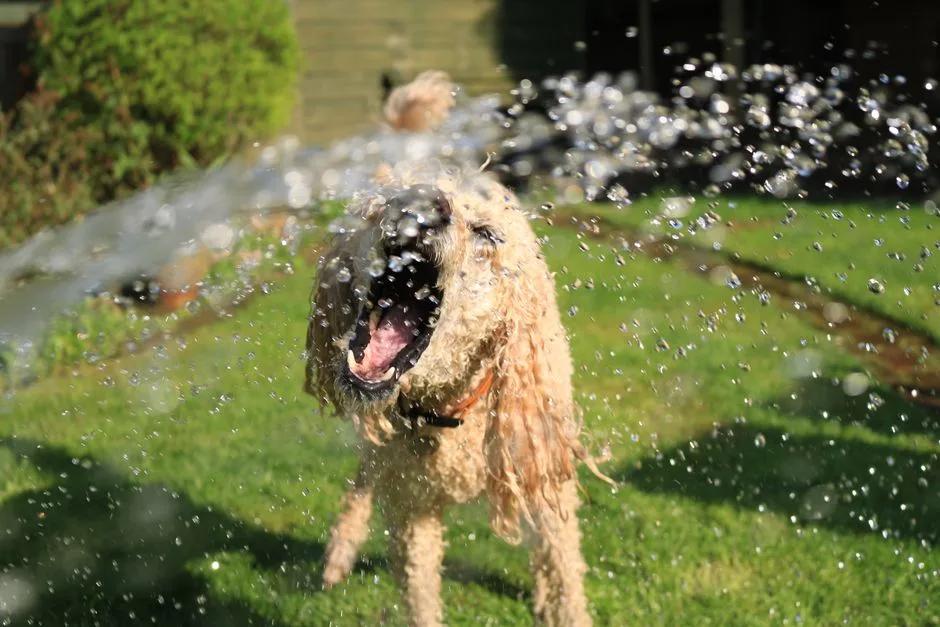
Add bandanas and small extras last. They are handy, but they are not the foundation.
For a budget setup, I would get a large dog cooling mat, a folding raised dog bed, and a spray bottle from any supermarket. That can come in under £60 if you shop around.
For a nicer setup, I would add the Ruffwear or Hurtta vest and a decent shade cover for events. That pushes the spend closer to £120 to £180, but most of it should last several summers.
For most dogs, the best first buys are a large cooling mat, shade, water and airflow. Active dogs may also benefit from a well fitted cooling vest. Bandanas and frozen treats can help, but they should not replace rest, shade and sensible handling.
Start with shade, water and airflow, then add a large cooling mat for rest. For flyball training or tournament days, a raised bed and shade kit usually matter more than a fancy vest.
The best dog cooling products are the ones your dog will actually use. That is the boring truth. A £90 vest is pointless if your dog hates wearing it. A cheap cooling mat is brilliant if your dog chooses it every time they come out of the ring.
Start with shade, water and rest. Add cooling kit around those basics. Then watch your actual dog, not the marketing copy.
If your dog is still panting hard, refusing water, wobbling, or acting unlike themselves, stop training and get help. No rosette, clear round, or personal best is worth pushing a hot dog too far.
This post contains affiliate links. If you purchase through these links, we may earn a small commission at no extra cost to you. This helps support Flyball Hub.