•Dalton Walsh
Spot heatstroke early, prevent it from happening, and know exactly what to do if your dog overheats. Written for working and sporty dog owners in the UK.
By Dalton Walsh
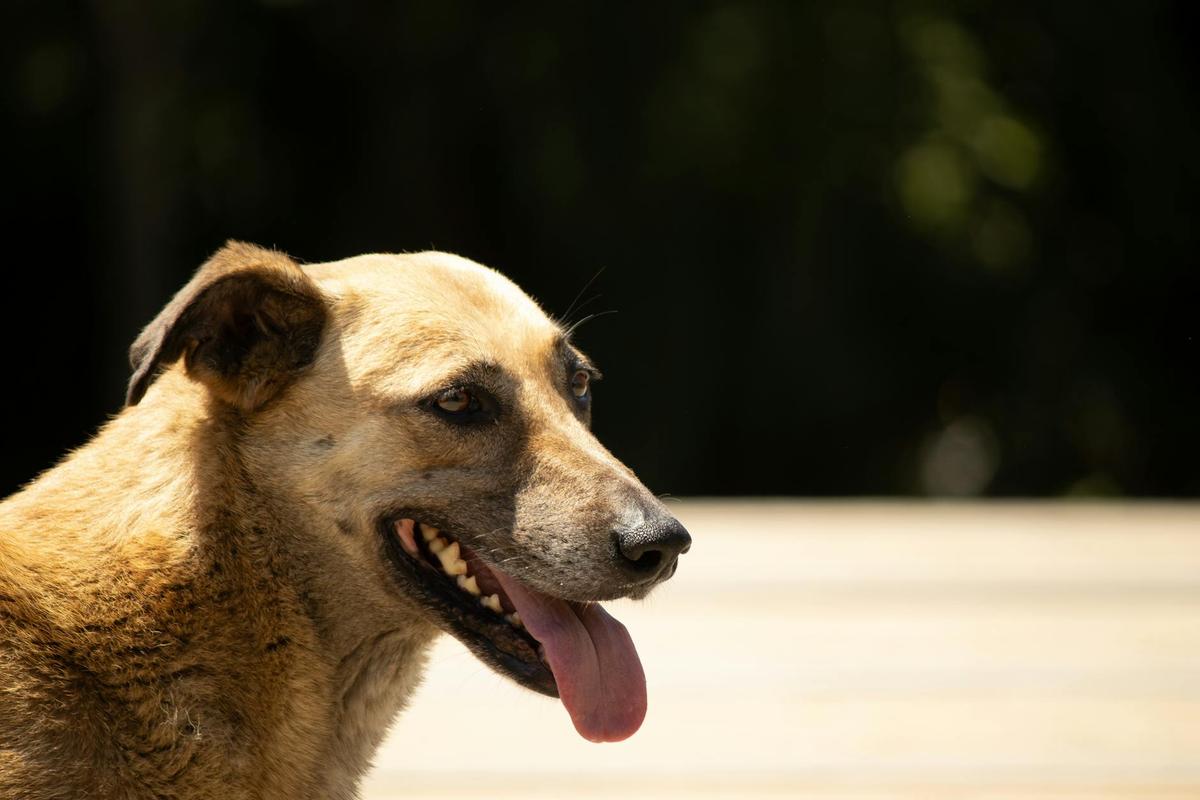
Heatstroke happens when a dog's body temperature rises too high and they cannot cool themselves down. A normal dog temperature sits around 38 to 39 degrees Celsius. Once it hits 40, they are in trouble. At 41 and above, internal organs start shutting down.
It is not about being warm. It is about losing the ability to regulate body heat.
Dogs do not sweat like we do. They have sweat glands in their paw pads, and that is basically the lot. Panting is their main cooling system, which is why flat-faced breeds like Bulldogs and Pugs are at much higher risk. Their airway is already compromised, so panting does not work as well.
If you have a flyball dog or a canicross runner, your dog works harder than the average pet on a lead. They sprint, they jump, they turn and repeat. Every burst of effort generates heat.
At a flyball tournament, the environment makes it worse. Tarmac radiates heat. Indoor halls with no air conditioning trap it. Dogs often run three or four times per race and rest for five minutes between heats. That rest window is shorter than they need.
Even your average weekend walker can push a dog too far on a hot day. Twenty minutes on warm tarmac is enough to burn paw pads and raise core temperature at the same time.
The early signs are easy to miss if you are not looking for them.
Heavy, rapid panting is usually the first thing you notice. Not the happy pant after a game of fetch. This is deeper, more laboured and it does not slow down even after the dog has stopped moving.
Bright red gums and tongue follow. As the condition gets worse, the gums can turn pale, blue or purple.
Lethargy comes next. The dog that normally bounces back after ten minutes will lie down and refuse to get up. Saliva becomes thick and sticky. Some dogs vomit or have diarrhoea.
In severe cases you will see collapse, seizures, uncoordinated movement or loss of consciousness. By this point it is an emergency.
It is worth knowing that dogs do not always show every symptom. A lethargic dog with slightly louder breathing might be overheating even if the gums look normal. Trust your gut.
Leaving a dog in a parked car on a warm day is the obvious one. On a twenty-two degree day, the inside of your car can hit forty-seven degrees within an hour. Even with the windows cracked, it climbs fast.
But people also miss less obvious triggers. Walking at midday in July on tarmac that has been baking since nine in the morning. Exercising your dog on the hottest day of the year just because you have a tournament entry fee paid. Letting them swim and then assuming the water has cooled them down properly.
Humidity is another factor that catches people out. In the UK we get muggy days where the air is thick and still. Evaporative cooling works less efficiently in high humidity, so a cooling vest will not last as long.
Move them into the shade first. Not into a fridge, not into an ice bath. Sudden cold can constrict blood vessels and trap heat inside the body.
Pour cool water over them. Not ice cold. Cool from the tap is fine. Focus on the belly, the groin and the inner thighs, where there is less fur and more blood flow near the surface.
Let them drink small amounts of water. Do not force them to drink a big bowl in one go.
Fan them with air. A battery-powered camping fan kept in your tournament kit is worth its weight in gold. If you do not have one, wave a towel or your hand. Moving air across damp fur speeds evaporation.
Phone a vet. Even if your dog seems to recover, internal organ damage from heatstroke can show up hours later. The PDSA has a useful guide on heatstroke in dogs if you want to learn more about treatment.
Once heatstroke sets in, you are already behind. The best approach is to stop it happening.
Walk early in the morning or late in the evening. Not just because the air is cooler, but because pavement retains heat for hours. If you press your hand against the ground and it is uncomfortable after five seconds, it will burn your dog's paws.
Take plenty of water. A travel water bowl is a basic bit of kit for anyone who takes their dog out in summer. A collapsible silicone bowl costs about a fiver and weighs nothing.
Rest in shade between sessions. At a flyball tournament, bring a chair for yourself and a shaded crate or elevated bed for your dog. Do not let them run, then sit in direct sun on tarmac, then run again.
Know your dog. Some breeds are more vulnerable. Brachycephalic dogs like Boxers, Bulldogs and Pugs. Overweight dogs. Old dogs. Very young puppies. Dogs with heart or lung conditions. If your dog falls into any of these categories, be extra cautious.
There is no magic fix, but some products make a real difference on hot days.
A cooling vest worn before and between exercise sessions reduces the starting temperature. You soak it in water, wring it out and put it on your dog. Evaporation does the rest. See our full guide on best dog cooling products for detailed recommendations.
A cooling mat in the crate or car boot gives your dog somewhere to lie that pulls heat away from their body.
Travel crates with good ventilation are important too. Wire crates allow airflow. Fabric pop-up crates can trap heat in direct sun.
Again, none of these replace common sense. They just give you extra margin.
There is a lot of bad advice floating around about dogs and heat.
Shaving your dog's coat does not help and in many breeds makes it worse. A double coat acts as insulation against both heat and cold. Shaving it damages the hair follicles and exposes skin to sunburn.
Ice water does not cause bloat. This is an old wives' tale. The risk of bloat is not linked to water temperature.
Leaving a dog in the car with the windows open is still dangerous. Even with a breeze, cars become ovens.
If you compete in flyball during summer, you need a plan.
Check the weather forecast the night before. If it is going to be over twenty-six degrees, consider whether your dog should compete at all. Some teams scratch on hot days and nobody thinks less of them.
Bring more water than you think you need. I carry two two-litre bottles and a hose pipe adapter for filling bowls at outdoor venues.
Put the cooling vest on twenty minutes before the dog's first run, not after. Leave it on between heats. Re-wet it every chance you get. In high humidity it dries out fast.
Watch your dog constantly. They do not have a red warning light. They just keep going until they cannot. It is your job to notice the panting getting deeper, the enthusiasm dropping, the tongue looking darker than usual.
Have a shaded recovery area. A gazebo or pop-up tent works. Even a large umbrella propped over a crate is better than nothing.
If your dog shows any signs of heatstroke, call a vet. Do not wait to see if they get better on their own.
Internal organ damage from heatstroke can occur even if the dog looks fine after cooling. Blood tests might be needed to check for kidney or liver stress. According to Blue Cross, early treatment massively improves survival rates.
Heatstroke is one of those things that feels like it will not happen to you until it does. I have seen dogs collapse at tournaments on days that did not feel that hot. I have watched owners panic because they assumed their fit, young dog could handle anything.
Your dog does not know when to stop. They will run until they drop. That is why we keep our dogs on leads near roads, and it is why we need to enforce rest on hot days.
The best advice is boring but true. Walk early. Rest in shade. Carry water. Cool your dog before they get hot. And never, ever leave them in a car on a warm day.