
•Dalton Walsh
Is flyball bad for dogs? Usually no, if your dog is fit and training is sensible. Learn the risks, safer box turns, warm-ups and when to ask a vet.
By Dalton Walsh

Flyball is not automatically bad for dogs. For most fit, keen dogs, introduced sensibly, it can be a brilliant outlet: sprinting, thinking, working with you, then coming back buzzing for another go. The safety bit matters though, because flyball is a fast sport with repeated jumps, box turns and hard acceleration.
Quick answer: Usually no. Flyball can suit fit, healthy dogs when clubs build foundations slowly, warm dogs up properly, manage training volume and stop when a dog shows pain, fatigue or heat stress.
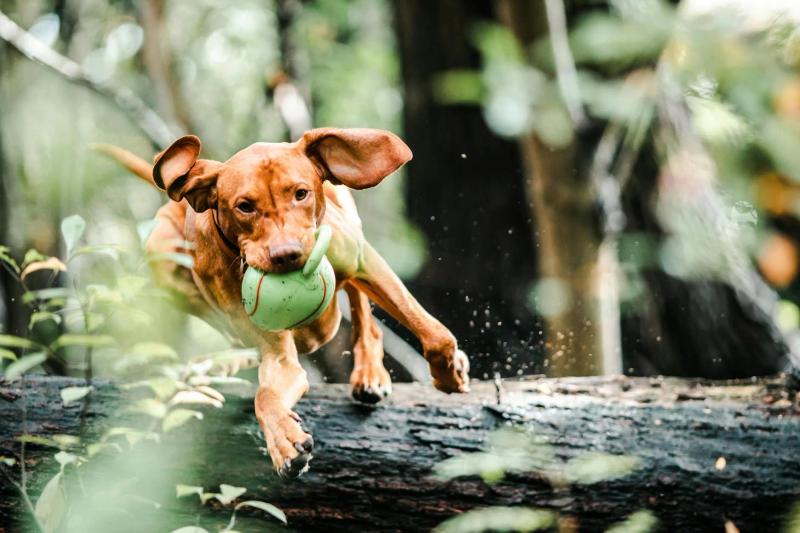
But it is also a fast, high-impact sport. Dogs jump, turn hard on the box, grab a ball, and accelerate back down the lane. That means shoulders, wrists, backs, hips, and general fitness all matter.
So the honest answer is this: flyball can be good for many dogs, but it is not right for every dog and it should not be treated like a casual game of fetch. Warm-ups, conditioning, sensible training volume, and watching the dog in front of you make a real difference.
If you are worried because you searched "is flyball bad for dogs", you are asking the right question. A good club should talk about safety as much as speed.
Let's start with the good stuff, because there's plenty of it.
Flyball is a full-body workout compressed into a 4-5 second sprint. Your dog is using their hindquarters to power over jumps, their core to stabilise during the box turn, and their shoulders and front legs to push off and change direction.
That kind of explosive exercise builds muscle across the whole body. And because it's sprint-based rather than endurance, it's good for the heart without the joint wear that comes from long-distance running.
For dogs prone to weight gain, flyball is brilliant. A single heat burns a significant amount of energy, and a day of competition (even with all the waiting around) keeps them active and engaged. Combine that with proper conditioning work between training sessions and you've got a recipe for a fit, lean dog.
Flyball isn't just physical. Your dog needs to focus on the start, time their jump over the first hurdle, execute a box turn, grab the ball, and navigate back - all while there's another dog running towards them in the next lane.
That's a lot of split-second decisions. This kind of mental exercise is just as tiring as the physical stuff, and for breeds that need a job to do, flyball gives them one.
Here's something people don't always expect: flyball can be great for nervous dogs.
Unlike some dog sports, there's no direct interaction with other dogs during a race. Your dog runs their own lane, does their own thing, and comes back to you. Yes, there are dogs and people everywhere at competitions, but in a controlled, predictable way.
For dogs that struggle with unpredictable encounters, this structured environment builds confidence over time. They learn that other dogs aren't a threat, and the positive associations with racing help them relax around other animals.
Flyball is teamwork. You and your dog are working together towards a goal, and that builds trust. The recall back to you after the box turn, the celebration when they nail a run, the training sessions where you're both learning - it all strengthens your relationship.
Don't underestimate how much your dog picks up on your excitement either. When you're buzzing about a good run, they feel it too.
So far, so good. But flyball isn't all upside.
Right, now for the bit that doesn't make it into the promotional videos. Flyball isn't without risk, and pretending otherwise helps no one.
The box turn is the most demanding part of a flyball run. Your dog hits a sloped box at speed, grabs a ball, and pushes off to change direction completely. That's a lot of force going through their body.
Research looking at flyball injuries found that shoulder injuries are the most common, affecting around 17% of dogs who get hurt in the sport. And here's the interesting bit - the side they turn on correlates with which shoulder gets injured. Turn left every time, stress the left shoulder more.
The box angle matters too. Studies suggest angles between 66-75 degrees are safest, while steeper angles (45-55 degrees) carry higher injury risk. If your club sets up the boxes, this is worth knowing.
Your dog always turns the same direction on the box. Always. That means one side of their body is doing the heavy lifting, run after run, training session after training session.
Over time, this creates muscle imbalances. The turning side gets stronger (and tighter), while the other side doesn't get the same workout. Without proper conditioning to address this, you're setting up the conditions for injury.
Flyball is high-impact. The landings from jumps, the sudden stops and direction changes, the push-off from the box - all of this puts stress on your dog's joints, particularly the carpus (wrist) and tarsus (ankle).
For most dogs this is manageable, especially with proper conditioning. But for dogs with existing joint issues, or breeds prone to problems, it's something to consider and discuss with your vet.
You cannot remove every risk from a sport like flyball. What you can do is reduce the silly risks: cold starts, tired dogs doing one more run, poor conditioning, and ignoring small changes because competition day is exciting.
A proper warm-up is not a quick trot around the car park. Aim for 5 to 10 minutes of easy active movement before full-speed flyball.
A simple warm-up can include relaxed walking, gentle changes of direction, backing up, side steps, paw lifts, figure-8s around your legs, and a few short recalls before any hard sprinting.
Save static stretching for after activity or for work your physio has specifically shown you. Cold muscles and explosive sprinting are not a great mix.
After racing or training, walk your dog until their breathing settles. Offer water, shade, and quiet time. If it is hot, be boringly cautious. Heat and excitement can creep up faster than people expect.
Once your dog has cooled down, gentle mobility work may help, especially if a vet or canine physio has shown you what suits your dog.
Flyball training alone does not build a balanced athlete. The sport asks dogs to turn the same way again and again, so they need general strength and body awareness away from the lane.
Useful work might include core exercises, controlled walking over poles, balance work, swimming, hill walking, and exercises that strengthen the non-turning side. Keep it age-appropriate and build gradually.
Basic kit matters too. Safe surfaces, suitable jump heights, well-kept boxes, water, shade, and sensible rest periods all help. The equipment and safety guide is a good next read if you are setting up practice at home or helping at club.
Stop and reassess if you notice limping, stiffness after rest, slower or flatter box turns, knocking jumps, reluctance to hit the box, unusual panting, heat stress signs, sudden grumpiness, or a dog who normally loves flyball but suddenly looks flat.
That last one matters. Enthusiasm is data. If your dog usually drags you towards the lane and now hangs back, listen to them.
Not every dog should jump straight into flyball. Here's a quick checklist:
Your dog should be at least 15 months old before starting flyball training, and many clubs recommend waiting until 18 months. This is about growth plates - the soft areas at the ends of bones that allow puppies to grow. Until these close fully, high-impact activity can cause permanent damage.
Large and giant breeds take longer for growth plates to close, so err on the side of caution.
Can your dog sprint 50 metres comfortably? If they're puffing after a short run, build up their general fitness first before adding the intensity of flyball.
Any previous injuries or conditions affecting joints? Get a vet check before starting. Some dogs with well-managed conditions can still do flyball, but you need professional input.
For breeds prone to cardiac issues, or any dog where there's concern, get a cardiac check before starting. Flyball is hard work and the heart needs to be up to it.
This isn't a health factor, but it is essential. Your dog needs to actually want the ball. Some dogs just aren't interested, and that's fine - there are other sports that might suit them better. The good news is any breed with ball drive can do flyball - it's not limited to Border Collies.
Good news: there's no upper age limit for flyball. Veteran classes exist for dogs 7 years and older, with adjusted expectations around performance.
Older dogs can absolutely keep competing as long as they're fit, healthy, and enjoying it. You might need to adjust training intensity, allow more recovery time, and monitor them more closely, but age alone doesn't mean retirement. Some handlers find a quality joint supplement helps maintain mobility in veteran dogs.
Speak to a vet before starting flyball if your dog is very young, older and new to sport, overweight, recovering from injury, has a history of joint problems, or belongs to a breed where heart, back, or orthopaedic issues are a known concern.
Speak to a vet promptly if you see limping, swelling, heat around a joint, obvious pain, repeated stiffness after training, or a sudden change in movement. Do not try to train through it.
A canine physio or rehab professional can also help with conditioning, muscle balance, and return-to-sport plans after injury. That is especially useful for dogs competing regularly or dogs who are always sore on one side after box work.
If you are brand new, ask your club how they introduce the box, build jump confidence, and manage training volume. Sensible foundations matter more than rushing to a full run.
Not automatically. Flyball can be a great sport for healthy, well-prepared dogs, but it is fast and repetitive. The risk goes up when dogs are unfit, poorly warmed up, over-trained, too young, or pushed through signs of pain.
Formal flyball is too much for young puppies. They can do gentle foundation games, confidence work, recalls, tug, and low-impact play, but repetitive jumping and hard box turns should wait until they are physically ready. Many clubs are cautious until at least 15 to 18 months, sometimes longer for larger breeds.
Yes, if they are fit, comfortable, and still enjoying it. Older dogs often need more warm-up time, more recovery, lower training volume, and closer monitoring. Age alone is not the issue. Soundness and enthusiasm are.
They stress the body in different ways. Flyball is more repetitive and sprint-based, with a hard box turn. Agility has more varied turns, contacts, and jumping patterns. Neither is automatically safer. The safer choice depends on the dog, the training, and how carefully the handler manages fitness.
Most dogs do better with short, focused sessions and rest days than with lots of full-speed repetitions. The right amount depends on age, fitness, experience, weather, and what else the dog does that week. If performance drops during a session, stop earlier next time.
A safer box turn is trained gradually, uses all four feet, keeps the dog balanced, and does not rely on the dog smashing into the box with their front end. Good coaching, suitable box setup, sensible repetition numbers, and strength work all help.
Flyball can be fantastic for the right dog. It gives them a job, burns energy, builds confidence, and creates that lovely team feeling between dog and handler.
It is not harmless just because dogs enjoy it. The box turn, jumping, sprinting, and repetition all deserve respect. Warm the dog up, build fitness away from the lane, keep sessions short enough, and take small changes seriously.
If you are thinking about getting started, find a local flyball club and ask how they introduce beginners safely. A good club will care about your dog still loving the sport years from now, not just getting one fast run today.
This post contains affiliate links. If you purchase through these links, we may earn a small commission at no extra cost to you. This helps support Flyball Hub.