•Dalton Walsh
Build a dog first aid kit with the supplies that actually matter. Covers wound care, tick removal, and what NOT to include.
By Dalton Walsh
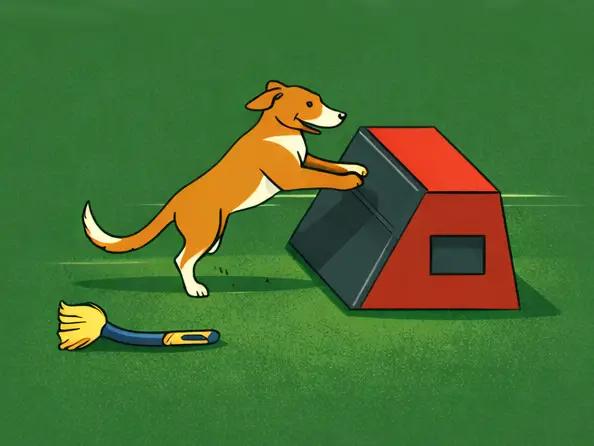
Your dog finds the one piece of broken glass in the entire park. A bee decides your pup's nose looks like a landing pad. A playful wrestling match ends with a torn dew claw.
These things happen. Usually at the worst possible moment, miles from home, with no vet in sight. Having the right kit on hand means you can actually do something about it.
A decent kit won't replace veterinary care, but it buys you time. It lets you clean wounds, stop bleeding, and keep your dog comfortable until you can get proper help.
Here's what should be in yours.
Skip the pre-made kits on Amazon. Most are padded with cheap rubbish you'll never touch. Build your own – it's not hard and you'll end up with stuff that actually works.
Saline Solution
The single most useful thing in your kit. Use it to flush out wounds, rinse debris from eyes, and clean cuts before bandaging. Get sterile saline pods – they're cheap and you can use one and throw it away.
Non-stick Gauze Pads
For covering wounds after cleaning. Non-stick is important – regular gauze sticks to wounds and causes pain when you remove it. Get a variety of sizes.
Self-adhesive Bandage (Vet Wrap)
This stuff sticks to itself, not to fur. Essential for holding gauze in place. It stretches slightly, so you can wrap it snugly without cutting off circulation. Every dog owner should have a roll of this.
Adhesive Tape
Medical tape for securing bandages. Get the paper-based kind – it's easier to tear and gentler on skin.
Antiseptic Wipes or Solution
For cleaning wounds and your hands before treating them. Chlorhexidine or povidone-iodine work well. Avoid anything with alcohol – it stings and damages tissue.
Tick Remover
Proper tick hooks are cheap and make removal simple. The twist-and-pull technique works far better than tweezers. Keep one in your kit and one on your keychain. The O'Tom Tick Twister is the one most vets recommend.
Tweezers
For splinters, thorns, and anything else that ends up embedded in your dog's paw.
Antihistamine Tablets
Useful for bee stings and mild allergic reactions. Piriton (chlorphenamine) is safe for dogs at the correct dose – check with your vet for the right amount for your dog's weight. Don't use non-drowsy antihistamines containing pseudoephedrine.
Blunt-ended Scissors
For cutting bandages, tape, and matted fur away from wounds. Blunt ends mean you won't accidentally stab your already-stressed dog.
Digital Thermometer
A dog's normal temperature is 38-39°C. Higher than that could mean infection or heatstroke. Use a rectal thermometer (sorry) with a bit of petroleum jelly. Ear thermometers designed for pets also work.
Torch
For checking eyes, ears, and looking in mouths. Your phone works in a pinch, but a small penlight is better. If you regularly walk after dark, check our winter walking safety tips for more gear recommendations.
Styptic Powder or Pencil
Stops bleeding from minor cuts and torn nails fast. If you've ever cut a nail too short, you know how much they bleed. Styptic powder fixes it in seconds.
Conforming Bandage
Stretchy bandage that moulds around legs and awkward joints. Useful for sprains and supporting limps.
Emergency Blanket
Lightweight foil blanket for keeping a dog warm if they go into shock or get hypothermic. Takes up almost no space.
Muzzle
Even the friendliest dog might bite when in pain. A fabric muzzle lets you treat them safely. If you don't have one, a slip lead or bandage can work as an emergency muzzle – our flyball gear guide covers slip leads in more detail.
Clean Towel
For drying, padding, and restraining. A small microfibre towel packs down tiny.
Disposable Gloves
Keeps wounds clean and protects you from anything nasty.
Some things seem helpful but can cause harm:
You need two kits, really:
Home Kit
Keep this somewhere accessible – not buried in a cupboard. A plastic container with a secure lid works well. Include your vet's emergency number and the nearest 24-hour vet's address.
Travel Kit
A smaller, portable version that lives in your car or walking bag. A zip-lock bag or small dry bag keeps everything together and waterproof. This is the one you'll use most – and if your walks tend to end with a filthy dog, our muddy dog survival guide pairs nicely with it.
Supplies are useless if you're fumbling around trying to remember what to do. Worth learning these basics before you need them:
Cleaning a wound:
Stopping bleeding:
Removing a tick:
Checking for shock: Signs include pale gums, rapid breathing, weakness, and cold extremities. Keep the dog warm and calm, and get to a vet immediately.
First aid is for minor injuries and buying time. Some situations need immediate professional help:
When in doubt, call your vet. That's what they're there for. If you're concerned about the risks of dog sports and injuries more broadly, our flyball health guide covers warm-ups, conditioning, and how to keep your dog injury-free.
Here's a simple list to take to the chemist or order online:
Must have:
Good to have:
Total cost: Around £30-50 for a proper kit.
A kit's only useful if it's actually stocked. Set a phone reminder for every six months:
You'll hopefully never need most of this stuff. But when your dog stands on glass at 9pm on a Sunday, you'll be glad you have it.
Put a kit together this weekend. Half an hour, thirty quid, and you're sorted. You'll feel better knowing it's there.
Related reading:
This post contains affiliate links. If you purchase through these links, we may earn a small commission at no extra cost to you. This helps support Flyball Hub.