
•Dalton Walsh
How to tire out your dog when walks aren't enough. Mental stimulation, flirt poles, snuffle mats and brain games that actually exhaust high-energy dogs.
By Dalton Walsh
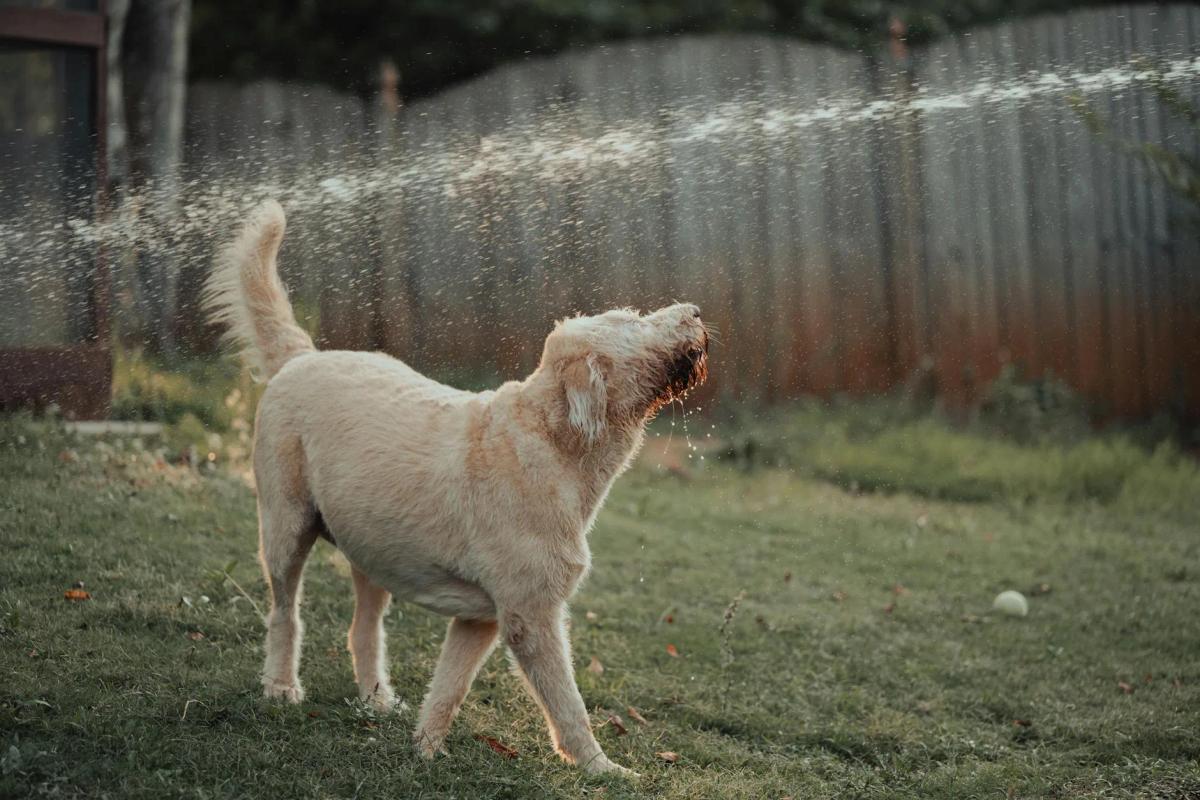
You did the walk. You did the long walk. You even threw in a bit of off-lead running. And your dog is still bouncing off the walls at 8pm like the walk never happened.
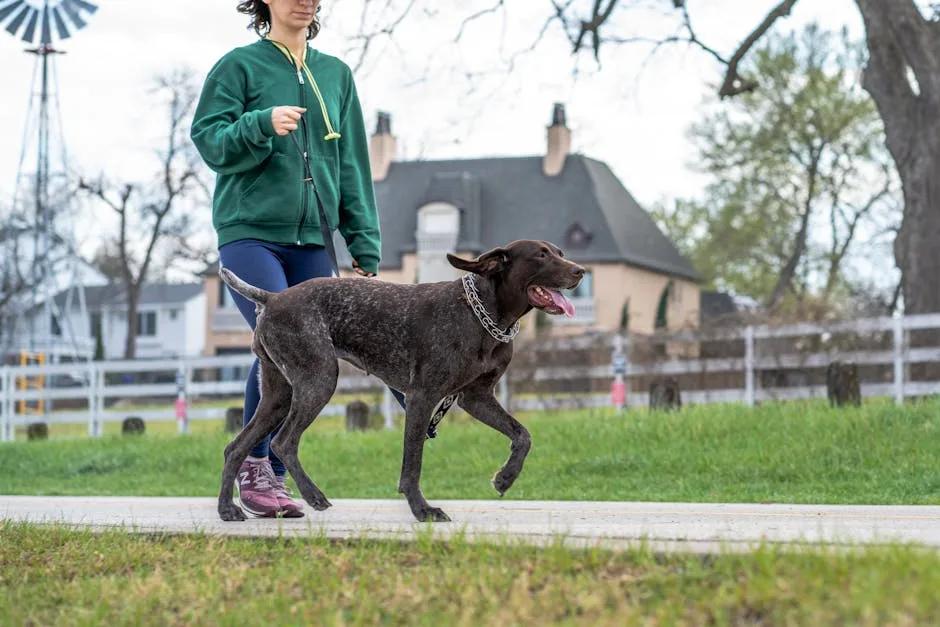
If you want to know how to tire out your dog when walks aren't doing the job, you're in the right place. You're not doing anything wrong. You're just fighting the wrong battle. Walks are brilliant for plenty of things, but tiring out a genuinely high-energy dog is rarely one of them.
The secret isn't more walking. It's different kinds of tired. Physical tired is easy. Mental tired is where the real exhaustion lives. And that's what most people miss.
I've spent years around flyball dogs, the kind that would run all day if you let them. The handlers who actually manage these energy monsters all use the same principle: work the brain, not just the legs. Here's how to do it.
Walking is low-intensity exercise for most dogs. It's the dog equivalent of a gentle stroll to the shops. Pleasant, necessary, but not exactly exhausting.
A healthy dog can walk for hours. Border collies were bred to herd sheep across hillsides all day. A 45-minute potter around the local park barely registers on their energy meter. Our Border Collie exercise guide explains why more walking makes things worse and what actually works.
What does register is anything that requires focus. Learning a new behaviour. Searching for something using their nose. Making split-second decisions. That stuff drains the battery fast.
Many canine behaviourists suggest that 15 minutes of scent work can tire a dog as much as an hour of walking. I don't know if the numbers are exact, but the principle is dead right. I've seen flyball dogs completely wiped out after a 20-minute training session, while the same dog is still bouncing after an hour-long walk.
The Royal Kennel Club has guidance on appropriate exercise levels for different breeds, and PDSA covers the basics of dog wellbeing including exercise needs. Both are worth a read if you're unsure whether your dog is getting enough.
The other thing walks lack is problem-solving. When your dog walks, they're mostly just putting one foot in front of the other. When you ask them to find a hidden treat or learn a new trick, they're working hard.
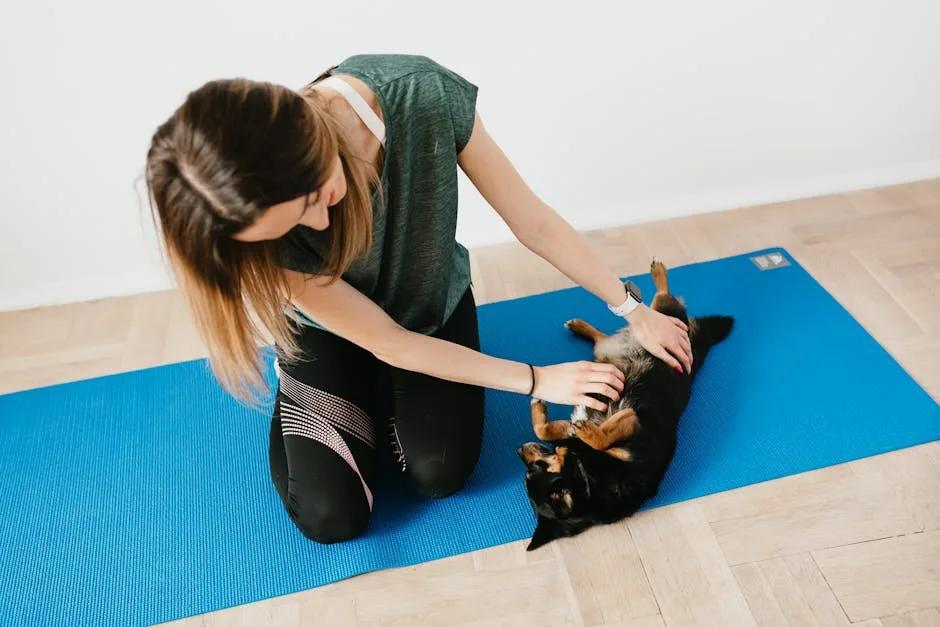
Most high-energy dog owners make the same mistake: they try to run the energy out. More walking, longer routes, throwing the ball 400 times. The dog gets fitter, not tireder.
What works better is a mix. This is how to tire out your dog effectively: roughly:
Yes, rest is part of the plan. Teaching your dog to switch off is a skill in itself. Some dogs never learn it, and they turn into dogs that can't relax even when they're exhausted.
If you're trying to tire out your dog without relying on longer walks, the next step is adding mental work. That's where the rest of this guide comes in.
If you only try one thing from this guide, make it this.
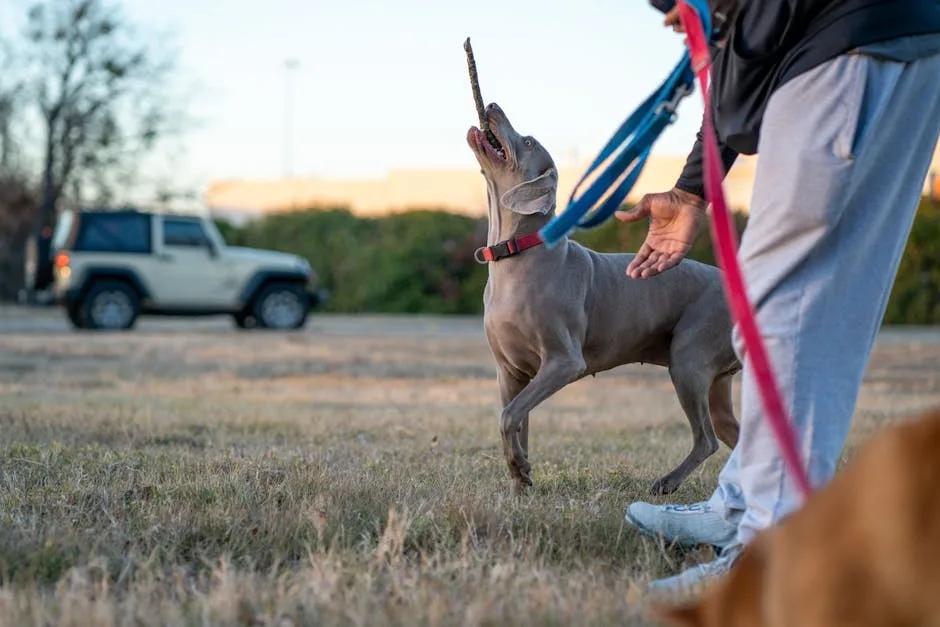
A flirt pole is basically a giant cat fishing rod for dogs. A long flexible pole with a lure on the end. You spin it around, the dog chases it. Simple, but incredibly effective.
Why it works so well: the dog has to change direction constantly, plan their moves, and focus on the lure. It's physical AND mental. A 10-minute flirt pole session will leave most dogs properly tired.
I've used flirt poles with everything from Jack Russells to German Shepherds. The small dogs love it because they can actually catch the lure. The big dogs love it because they can really open up and run.
A few things to watch out for:
Flirt poles cost about £12-18 on Amazon. You don't need the expensive ones. The basic versions are fine. Some even come with rope lures instead of plush, which last longer with heavy chewers.
If you want something similar but less intense, a long line and a tug toy works too. Check our guide to the best tug toys for dogs for recommendations.
Dogs experience the world through their nose. Dogs have roughly 40 times more smell-sensitive receptors than we do (125 million to 300 million versus our 5 million). When you give them scent work to do, you're letting them use their strongest sense, and that concentration is what really takes it out of them.
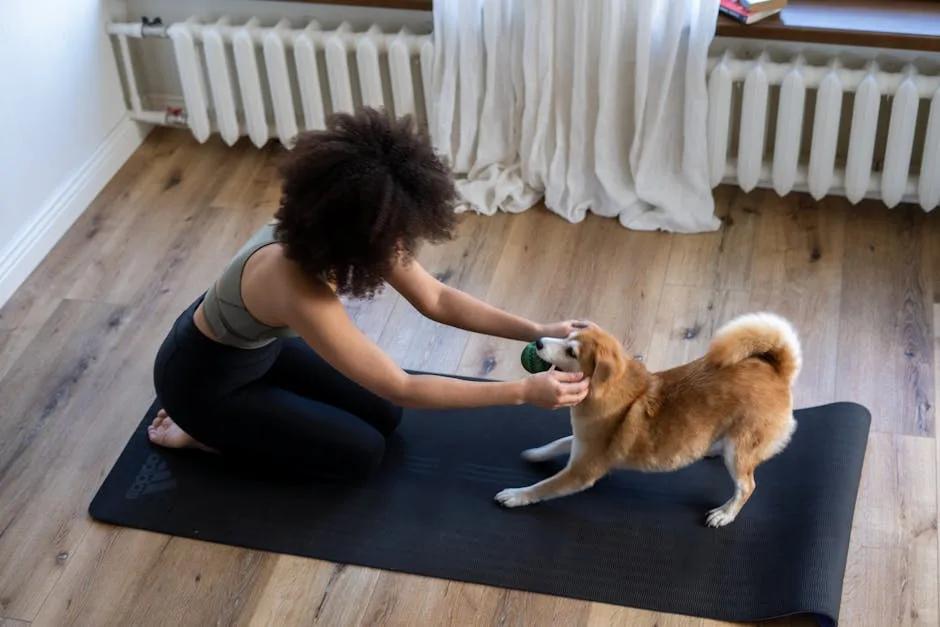
I genuinely think most owners underestimate how much brain power goes into sniffing. You see your dog on a walk with their nose to the ground and it looks like they're just pottering about. They're not. They're processing an enormous amount of information. Every blade of grass, every other dog that's passed that way today, the fox that cut through at 3am. It's work.
A snuffle mat is a fabric mat with strips of fleece tied into it. You hide treats or kibble in the strips, and the dog has to sniff them out. It sounds basic. It's surprisingly exhausting.
Check out snuffle mats on Amazon UK to get started.
My collie spends 15 minutes on a snuffle mat and then collapses. The same dog can run for an hour at flyball training and still want more. That tells you everything about how much brain work scent games require.
Decent snuffle mats cost about £10-20. You can also make one yourself with a rubber sink mat and some fleece strips. It takes about an hour and costs about £5 in materials.
Even simpler: scatter treats in the garden and let your dog find them. Start with easy finds so they understand the game, then make it harder.
Toss a handful of small treats into long grass and say "find it." Most dogs get the idea in about 30 seconds.
Use high-value smelly treats for this. Training treats work well because they're small and you can use lots of them without overfeeding.
Once your dog is good at finding treats, you can step up to hiding specific objects. Put a scented toy somewhere in the room, ask the dog to find it, and reward when they bring it back.
This is basically what scentwork competitions involve. You don't need to compete to enjoy it. It's one of the best at-home activities for tiring out a dog without needing much space.
Garden agility is another good brain-and-body option when walks are not enough. Two low jumps, a tunnel or a few weave poles can turn a tiny space into a focused training game.
Training is exercise. Not the physical kind, the thinking kind. And it's the most underused tool in most dog owners' arsenals.
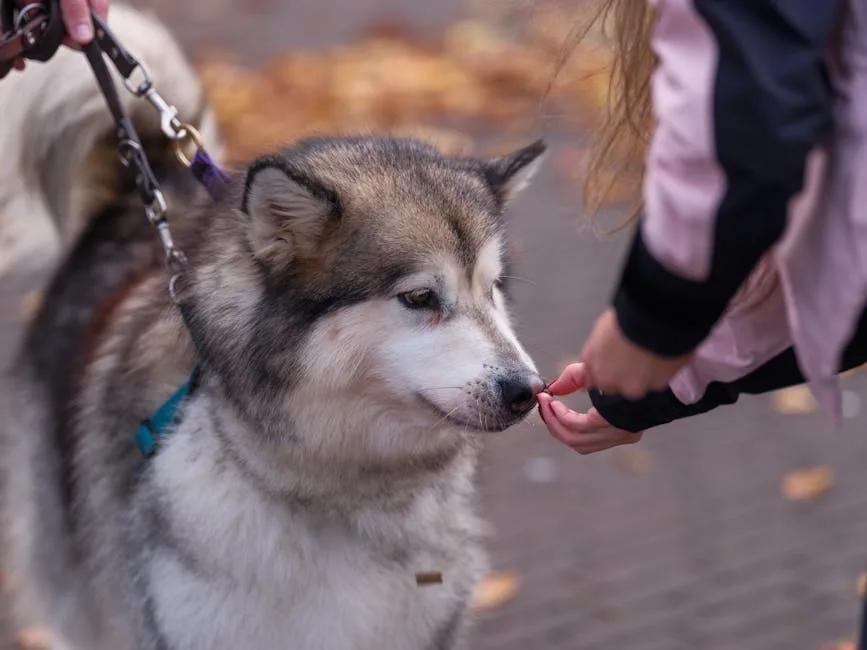
This sounds daft but it works. Stand still. Ignore your dog. Wait for them to offer any behaviour that isn't jumping up or barking. The moment they do something calm (sit, lie down, look away), mark it and reward.
You're teaching the dog that calm behaviour pays off. It's brilliant for dogs that can't settle, because it literally trains relaxation.
Start with 2-minute sessions. Most dogs get it fast. My dog started offering downs within about 3 minutes the first time.
Learning something new is hard mental work. Pick a trick your dog doesn't know. Spend 5 minutes teaching it. Then stop. Tomorrow, pick a different one.
Good ones for tiring out dogs fast:
Short sessions matter more than long ones. 5 minutes of genuine focus is worth 30 minutes of half-hearted practice.
Recall practice doubles as brain work and a safety skill. And it doesn't require much space.
Try "round robin recalls" with family members. Everyone stands in different parts of the garden or house. Take turns calling the dog. Reward every successful recall.
If you want a structured plan, our recall training guide has a full progression.
If your dog bolts their food in 30 seconds, you're wasting an enrichment opportunity. Making meals last longer and require effort is an easy win.
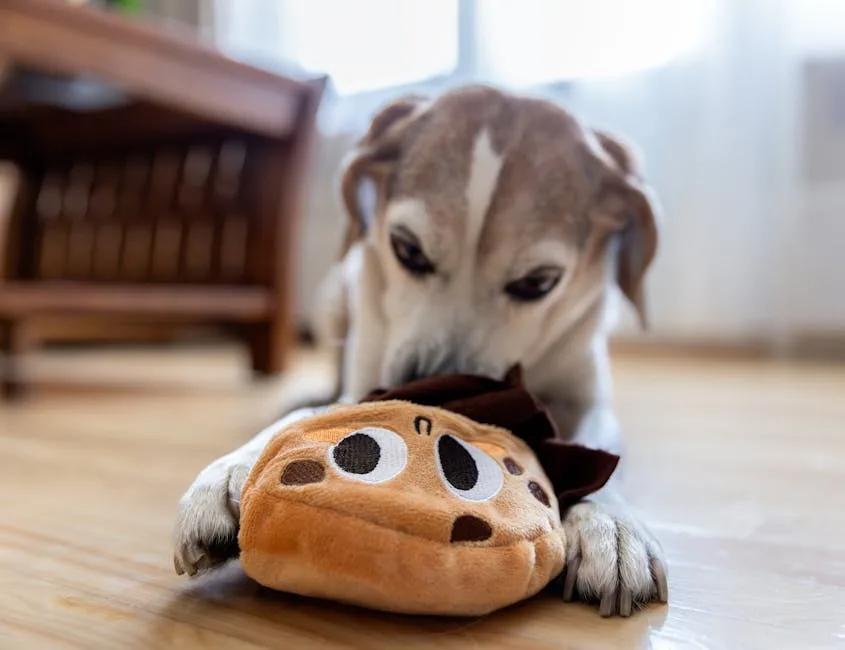
Browse slow feeder bowls on Amazon UK for options.
These are bowls with ridges and bumps inside. The dog has to work around the obstacles to get the food out. Adds about 5-10 minutes to mealtime. Not life-changing, but it's something.
Find dog puzzle toys on Amazon UK to see the range.
Puzzle toys are a step up. They have sliding panels, flip lids, and hidden compartments. The dog has to figure out how to access each section. Some dogs work them out in minutes. Others take much longer.
The KONG Wobbler is a good starting point. It's a weighted feeder that the dog has to push around to release kibble. Simple but effective. Costs about £12-15.
For harder puzzles, look at the Nina Ottosson range. The Dog Brick and Dog Tornado levels are good for most dogs. They cost about £15-20, but they last.
The classic. Stuff a KONG with wet food, peanut butter, or yoghurt. Freeze it. Give it to your dog when you need 20-30 minutes of peace.
This isn't just about keeping them occupied. Licking is genuinely calming for dogs. It releases endorphins. A frozen KONG after a training session helps the dog transition from high arousal to settled.
Pro tip: mix kibble with a bit of wet food, stuff the KONG, and freeze. You're feeding a whole meal in a way that takes 20 minutes instead of 20 seconds.
You don't need to buy anything to tire out your dog mentally. Here are things that cost nothing.
Take a muffin tin. Put treats in some of the holes. Cover all holes with tennis balls. Dog has to remove the balls to find the treats.
Most dogs love this. It takes about 5 minutes, and you can make it harder by only putting treats in some holes while leaving others empty.
Lay a towel flat. Sprinkle treats along one end. Roll it up. Dog unrolls the towel to get the treats.
Progression: roll it tighter. Then roll it and tie a loose knot. Then use two towels rolled together.
Teach your dog the names of their toys. Hold up a toy, say its name, play with it. Repeat daily. After a few weeks, test by putting two toys on the floor and asking for one by name.
Border collies and working breeds pick this up fast. Some dogs learn 20+ toy names. It's a genuine brain workout and it's fun to show off.
Give your dog a cardboard box with some treats hidden inside. Let them shred it to find the treats.
Yes, it makes a mess. But dogs love shredding, and it's a completely natural behaviour that most dogs rarely get to do.
Important: remove any tape, staples, or plastic before giving them the box. And supervise so they don't eat the cardboard.
All these activities work on their own to tire out your dog. But the real trick is combining them into a daily routine that actually makes a difference.
Here's what a solid day looks like for a high-energy dog:
Morning: 30-45 minute walk with some off-lead running. This covers the physical baseline.
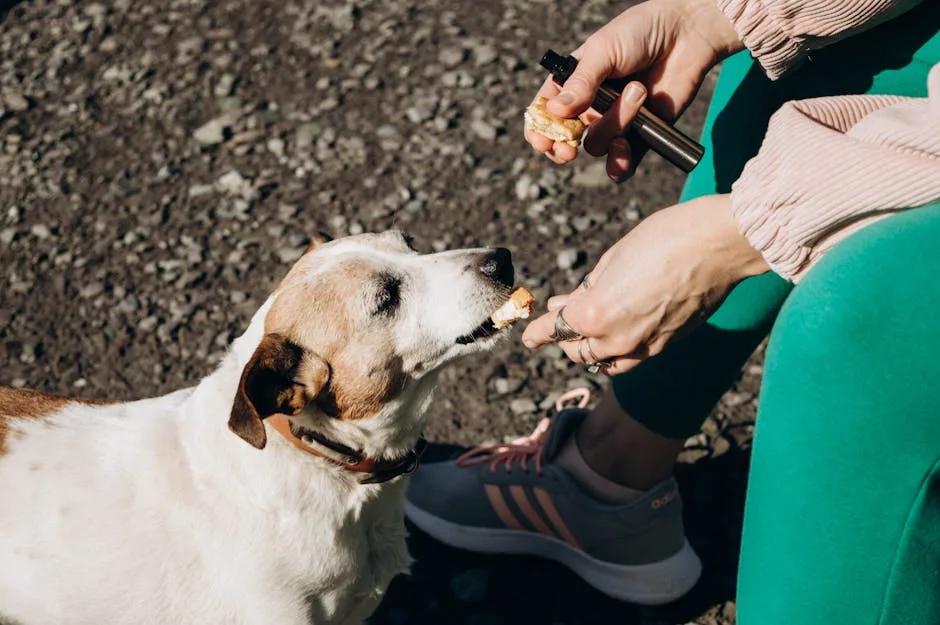
Midday: Snuffle mat or puzzle feeder at lunchtime. 10-15 minutes of mental work while you're having your lunch.
Afternoon: 10-minute training session. Teach something new or practice an existing skill. Keep it short and focused.
Evening: Flirt pole or tug session in the garden. 5-10 minutes of high-intensity play. Follow with a frozen KONG to help them wind down.
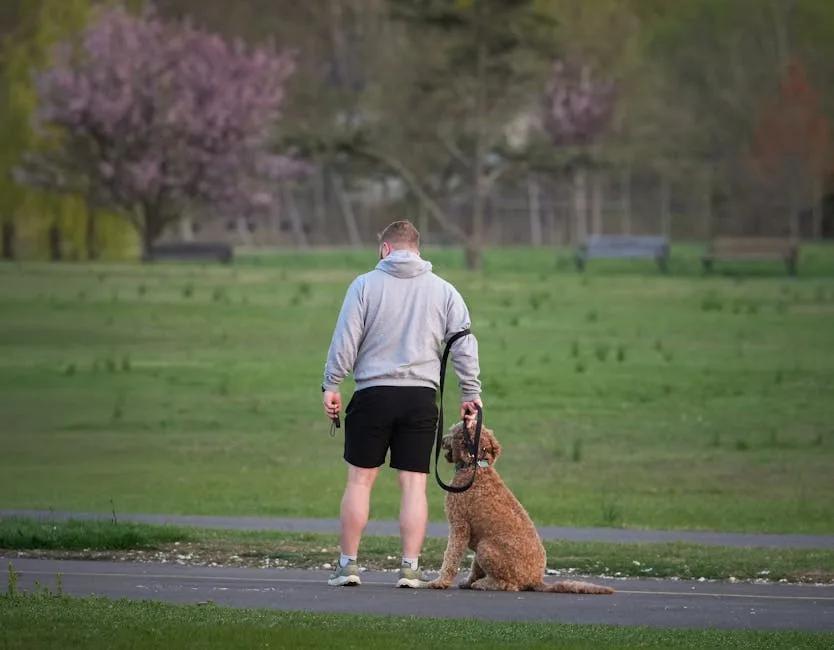
Bedtime: Settle practice. The "nothing game" or just asking for a down-stay while you watch TV.
That routine takes about 90 minutes of your actual active involvement spread across the day. The dog spends the rest of the time resting, which is exactly the point.
You don't have to do all of it every day. Even adding one or two mental activities to your current routine will make a noticeable difference within a week.
Sometimes you try everything and the dog still has energy to burn. If that's you, a few things to consider.
Age matters. Dogs under 2 often just have energy you can't exhaust. It's a phase. Trying to tire out your dog during adolescence sometimes feels impossible. Keep the mental work up and wait it out.
Breed matters too. Working breeds need a job. Not just exercise, an actual job. Agility, flyball, or canicross give them something to train for. Our high-energy dog sports guide covers the options in detail.
Check for stress. Sometimes "high energy" is actually anxiety. If your dog can't settle even after proper exercise and mental work, talk to a qualified behaviourist.
Health check. Pain and discomfort can cause restlessness too. A vet visit is worth doing if the behaviour is new or getting worse. Blue Cross has good advice on when to be concerned about changes in your dog's behaviour.
After years of living with high-drive dogs, the one thing I keep coming back to is this: a tired dog is a well-behaved dog. Not always. Not perfectly. But it helps more than anything else when you're trying to tire out your dog day after day.
And the fastest path to "tired" is almost never more walking. It's 10 minutes of something that makes your dog think. A flirt pole session, a snuffle mat, a new trick. Small inputs, big results.
If you're struggling with a dog that never seems to run out of steam, try swapping one of your daily walks for 15 minutes of mental work instead. I think you'll be surprised at how much easier it becomes to tire out your dog when you use their brain rather than just their legs.
Sources: Royal Kennel Club activity guidelines (royalkennelclub.com); PDSA exercise recommendations (pdsa.org.uk)