•Dalton Walsh
How to deal with a muddy dog after walks. Paw washers, drying coats, and cleaning tips that actually work when your dog finds every puddle.
By Dalton Walsh
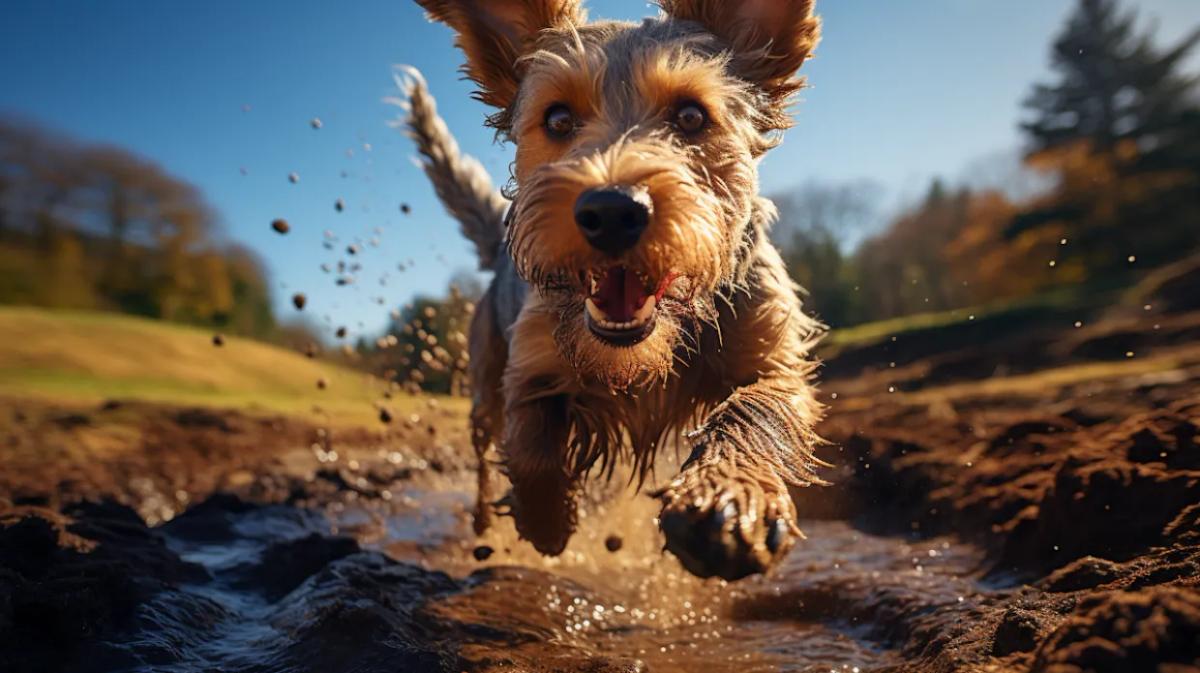
You know how it goes. You plan a nice walk, the weather looks fine, and then somewhere between the car park and the halfway point, your dog finds mud. Not just a bit of mud. Industrial quantities of mud. Mud they then wear like a badge of honour all the way home.
If you've got a muddy dog problem - one that seeks out puddles like a heat-seeking missile - you're not alone. And if you've ever stood at your front door wondering how something that weighs 15kg can carry 10kg of field back with them, this guide is for you.
Let's talk about how to deal with the muddy dog situation without losing your mind, your carpet, or your relationship with your washing machine.
First things first: you're not going to prevent mud. Not completely. Not unless you only walk your dog on tarmac in a heatwave.
Dogs love mud. They roll in it, run through it, dig in it, and some of them actively seek out the wettest, muckiest patches in any given field. Fighting this instinct is a losing battle.
The goal isn't prevention. It's damage limitation.
Once you accept that your dog will get muddy, you can stop being surprised and start being prepared. Preparation is everything.
You don't need an actual boot room. A mat by the back door works fine. The point is having a dedicated space where the muddy dog transition happens.
What you need: somewhere for the dog to stand (a rubber-backed mat stops them sliding), towels within arm's reach (not in the airing cupboard three rooms away), a paw cleaning setup, and hooks for wet leads and your muddy boots.
The key is making everything accessible. When you're wrangling a wet, excited dog who desperately wants to greet the sofa, you don't have time to go hunting for supplies.
Muddy paws are responsible for 90% of the indoor carnage. A dog's body might be muddy, but it's the paws that actually make contact with your floors, furniture, and bed.
Old school but effective. Bucket of warm water by the door, dunk each paw, dry with a towel. Takes about two minutes once you've got the routine down.
Warm water works better than cold - it loosens the mud faster and your dog won't hate you for it.
If you haven't discovered paw washers yet, they're brilliant. It's basically a cup with soft silicone bristles inside. You add water, stick the paw in, twist a few times, and the mud comes off.
They work especially well for dogs with hairy paws where mud gets caked between the toes. Much more effective than just wiping with a towel.
The Dexas MudBuster is the most popular brand, but there are plenty of similar ones. Get the right size for your dog - they come in small, medium, and large.
Dog paw wipes are handy for light mud or when you're out and about. They won't tackle serious mud, but they're good for a quick clean before getting in the car.
Not a replacement for proper washing, but useful to have in your dog walking bag.
Wet dog. Muddy dog. Both need drying. Here's what actually works.
Regular towels are fine, but microfibre dog towels are better. They absorb more water, dry faster, and you need fewer of them.
The ones designed for dogs tend to be larger and more absorbent than regular microfibre cloths. Worth the investment if you're drying a dog daily.
Honestly, these are great. A dog drying coat is basically a towelling robe for dogs. You put it on them after the walk, and it absorbs water while they do their normal post-walk thing (usually lying on their bed looking smug).
Pop the coat on, let them wander about for 20 minutes, and they come out noticeably drier than they went in. It also stops them shaking water all over your kitchen.
Equafleece and Ruff and Tumble are the big names, but there are cheaper options that do the job.
For smaller dogs or puppies, dog drying bags work like the coats but contain the whole dog (except the head, obviously). They can walk around in them or just lie in their bed.
Not ideal for dogs who hate wearing things, but worth trying if yours tolerates it.
Sometimes prevention is better than cure. If you know you're heading somewhere particularly muddy, gear up beforehand.
A waterproof dog coat won't stop leg and belly mud, but it keeps the main body cleaner. Easier to wipe down a coat than wash a whole dog.
For mud specifically, look for coats with a belly panel. They catch more of the splash-up than coats that just cover the back.
For the truly mud-magnetic dog, a full body dog suit is the nuclear option. They cover the legs, belly, and body, leaving just the head exposed.
They look a bit ridiculous, but they work. Your dog emerges from the muddiest walk looking like they've just had a spa day while only the suit gets filthy. The suit goes in the washing machine. Dog stays clean.
The Equafleece Snood Suit and Hurtta Body Warmer are popular choices. Sizing is important - too loose and mud gets in, too tight and your dog can't move properly.
Sometimes your dog doesn't just get muddy. They get properly caked in the stuff. Full body, in the ears, mystery substances of unknown origin. Here's the protocol.
If you've got outside space and it's not freezing, a quick hose down before they come inside makes everything easier. Warm water from an outdoor tap attachment is ideal, but even cold water gets the worst off.
Portable dog showers that connect to your garden hose are useful if you don't have an outside tap nearby.
For serious mud, sometimes a proper bath is the only answer. Get them in the tub, rinse off the mud, then dry as normal.
A few tips:
If bathing becomes a frequent thing, your dog will learn to tolerate it. Make it boring and matter-of-fact rather than a big production.
Sometimes you don't have time for immediate cleaning. In that case, contain the dog (crate, utility room, wherever they can't spread the mud) and let them dry naturally. Once mud is dry, it brushes out much more easily than wet mud.
This works surprisingly well for dogs with longer coats. Trying to clean wet mud out of a spaniel's feathering is torture. Waiting until it's dry and brushing it out takes half the time.
Even with the best muddy dog routine, some mess gets through. Here's how to minimise the damage.
Mats absorb a lot. Put them:
Washable dog mats designed for muddy dogs work better than decorative doormats. They actually absorb and trap moisture rather than just sitting there looking nice.
If your dog is allowed on furniture (no judgement here), washable furniture throws are essential. Much easier to wash a throw than try to clean a sofa.
Waterproof-backed versions are particularly good - they stop moisture soaking through to the cushions underneath.
If you're choosing flooring and you have dogs, think about cleanability. Hard floors - tile, laminate, vinyl - wipe clean. Carpet doesn't.
Not suggesting you rip out your carpets, but when it comes to natural replacement, bear it in mind. That cream carpet in the hallway might not be the best choice.
Getting a muddy dog home is half the battle. Here's how to protect your car.
A proper waterproof boot liner is essential. The good ones have raised sides to stop mud sliding onto the carpet edges.
Make sure it covers the bumper too - that bit where they jump in and out gets filthy.
If your dog travels on the back seat, hammock-style seat covers protect both the seat and the footwell. They also stop your dog falling into the footwell and creating even more chaos.
Before your dog gets in the car, a quick paw wipe removes the worst of the mud. It takes thirty seconds and saves significant cleaning later.
Keep wipes in the car, not in your dog walking bag. When you get back to the car, they're right there.
If you're reading this on Flyball Hub, you probably have a dog that doesn't do gentle strolls. Active dogs cover more ground, find more mud, and come home dirtier than average.
A few extra thoughts:
Training venues get muddy in winter. Even indoor facilities often have outdoor holding areas that turn to swamp. Pack drying gear for training nights - see our flyball gear guide for what to keep in your kit bag.
Multiple dogs means multiple mud. If you're running several flyball dogs, the cleanup multiplies. A systematic approach (production line style) saves time.
Competition days are long days. Your dog might get muddy, then dry, then muddy again over the course of an event. Bring enough towels and be prepared to run through your cleaning routine more than once.
How do I clean mud off a long-coated dog?
For breeds with feathering or long coats, let the mud dry before attempting to clean it. Dry mud brushes out easily. Wet mud just spreads and creates mats. Use a slicker brush once it's dry, working from the ends toward the skin.
My dog hates having their paws touched - any tips?
Practice paw handling when there's no mud involved. Touch their paws regularly during calm moments, give treats, make it boring and normal. When paw cleaning becomes routine rather than a battle, it's easier for everyone.
Is it bad to let my dog air dry?
Not necessarily. Dogs naturally air dry fine. The issue is what they do while drying - shaking on your furniture, lying on your bed, etc. If they're contained in a space where you don't mind them being wet, air drying is fine. Drying coats speed up the process while letting them move around.
How often should I bath my dog after muddy walks?
You don't need to fully bath your dog every time they get muddy. Rinsing off with water is usually enough. Full baths with shampoo can dry out their coat if done too frequently. Once a month maximum for most dogs, unless they've rolled in something genuinely unpleasant.
What's the best way to dry a dog that won't stand still?
Movement is your friend. Put a drying coat on them and let them walk around - they dry while doing their normal thing. For dogs that won't tolerate coats, get as much water off as you can with towels, then let them air dry somewhere contained.
Muddy dogs are part of dog ownership, especially in the UK. You can't avoid it, but you can manage it.
Your dog is going to find mud. That's fine. With the right kit and routine, it doesn't have to mean a mucky house.
Now if only they made a product that stopped them rolling in fox poo...
This post contains affiliate links. If you purchase through these links, we may earn a small commission at no extra cost to you. This helps support Flyball Hub.