•Dalton Walsh
See which ball-obsessed dog breeds often suit flyball, from collies and spaniels to Labs and terriers, plus what makes ball drive useful.
By Dalton Walsh
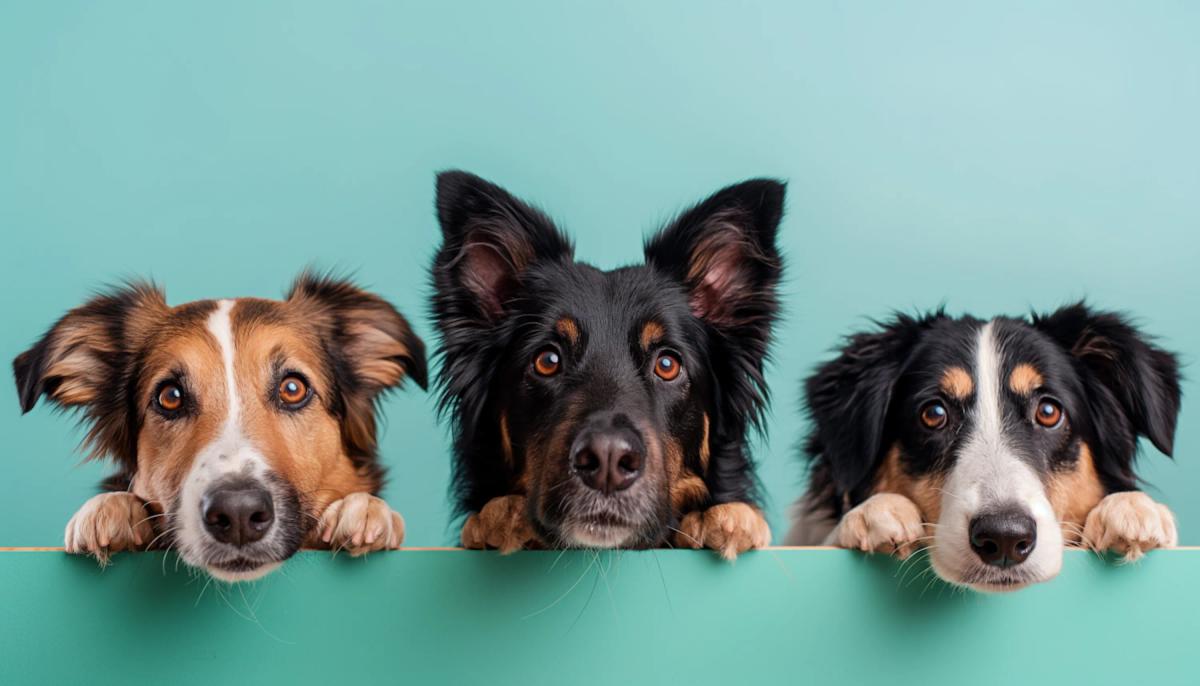
The best flyball dog is not a breed on a list. It is the dog who wants the ball, comes back cleanly, copes around other dogs and can learn a safe turn. Border Collies, working sheepdogs, Whippets, lurchers, Jack Russells, Staffies, spaniels, Labradors and mixed breeds all appear in UK flyball, but the useful dogs share drive and control, not a pedigree label.
If you searched for flyball near me, the breed question is only half the job. The next step is finding a club that will watch your dog as an individual, build foundations slowly and explain what they expect before you join a team.
This 2026 refresh breaks the page into three practical decisions: which dog types often suit flyball, how height dogs and all-rounders fit a team, and what to ask a UK club before your first training night.
The classic ball-obsessed dog breeds for flyball are usually Border Collies and working sheepdogs, working Cockers and Springers, Labradors, Jack Russells, some Staffies, Australian Shepherds and high-drive mixes. The label is only a starting point, because the individual dog matters more than the breed name.
For flyball, ball obsession helps only when the dog can bring the ball back, swap to a tug or handler reward, think around other dogs and stay physically comfortable. I would not use endless fetch as the test. Short, controlled games protect shoulders, wrists and backs far better than throwing until the dog is exhausted.
For speed, clubs often look at Border Collies, working sheepdogs, Whippets and lurchers. For height-dog roles, Jack Russells, Staffies, Miniature Poodles and smaller spaniels can be gold dust because one small reliable dog can lower the jump height for the whole team. For steady team dogs, Labradors, Springers, Cockers, Australian Shepherds and rescue mixes can be just as valuable when they run cleanly.
I would not buy or choose a dog only because someone online called the breed good at flyball. Watch the dog in front of you: do they chase, pick up, return, tug, settle between turns and stay comfortable when another dog is moving nearby? That tells you more than the breed name.
Start with the Flyball Hub team finder, local club pages and beginner-friendly training centres. Look for words like foundation, taster session, beginners welcome or new dog assessment. A good first session should be calm and honest: lots of watching, short recalls, toy play, low-pressure handling and no demand for a brand-new dog to race flat out.
If you are completely new, read learn flyball before you message a club, then use dogs and training basics to think about your dog’s recall, toy reward and fitness. Once you start training, Flyball Hub can help you keep dog details, team notes and progress in one place rather than trying to remember everything after a busy night at the hall.
Those questions matter more than chasing a fashionable breed. The best teams will care about sound movement, confidence and steady progress, not just whether your dog looks fast in the car park.
Forget breed standards for a minute. The dogs that thrive in flyball usually share a few practical traits: The best flyball dogs are not always a single breed. They are the dogs that can repeat the job safely, listen around other dogs and still love the game.
Ball drive: The useful dog chases, grabs and brings the ball back, then can swap to a tug or handler reward and still think around other dogs. A frantic ball fixation is different. If a dog guards the ball, cannot disengage, ignores recall or gets sore from endless fetch, slow the training down and build control before adding more speed.
Confidence: Flyball is noisy, fast and full of movement. A good prospect can cope with other dogs, people, whistles and clapping.
Recall and focus: A fast dog still needs to come back cleanly. The useful dog is the one who can run to you for a reward instead of drifting off.
Soundness: Flyball is sprinting, jumping and turning. Your dog needs to move comfortably and build fitness without soreness.
Dog-neutral attitude: They do not need to love every dog, but they must cope around them. Passing other dogs calmly is a skill in itself.
Notice what is not on that list? A specific breed.
This is why clubs often encourage people to try a taster session before making assumptions. A dog that looks perfect on paper may not enjoy the chaos. A dog nobody expected may suddenly understand the game and make everyone laugh.
Let's start with the breeds that tend to dominate the timing boards.
Yeah, okay, they are everywhere in flyball. There's a reason: they are often fast, keen to work, and highly trainable. Their mix of speed, focus and trainability happens to suit the sport very well.
But here's the thing: a slow Border Collie will get beaten by a fast Staffie every single time. Breed doesn't guarantee speed.
Whippets and lurchers are pure speed. Watching a Whippet stretch out down the flyball lane is something else. They can be a bit more sensitive than your average collie, so you might need to work harder on confidence around the noise and chaos of competitions.
Lurchers, often Whippet or Greyhound crosses, combine sighthound speed with the traits of whatever they are mixed with. Border-Whippets and Collie-Lurchers can be brilliant when they pair pace with confidence, ball drive and consistency. UK clubs still look at the individual dog first: a slightly steadier dog who runs cleanly can be more useful than the quickest dog in warm-up.
Less common than Border Collies but just as capable. Mals have that working dog intensity and they're quick. If you can handle their energy (and it's A LOT), they make fantastic flyball dogs.
Here's where it gets tactical.
In flyball, the jump height for the whole team is set by the smallest dog running. If your team has four big dogs jumping 35cm, adding a smaller dog that only needs 18cm hurdles means everyone jumps lower.
Lower jumps = faster times.
This is why height dogs are absolute gold dust in flyball. They are not just making up numbers: in a UK team lineup, one small reliable dog can shape the whole racing order because every team-mate benefits from the lower jump height.
Plenty of JRTs are small, quick and very keen on toys, which can make them excellent height dogs when the foundations are there.
Staffies sit in a sweet spot: small enough to bring down jump heights, but powerful enough to be genuinely quick. Many Staffies bring plenty of enthusiasm and power, but they still need careful box-turn training so they use that strength safely.
Compact, fast, and ball-obsessed. Cockers make brilliant height dogs and are usually easy to train. They're also pretty common in the UK, so you've got a good chance of finding one that's keen.
Seriously underrated flyball dogs. Don't let the fancy haircuts fool you - Poodles are athletic, smart, and pick up flyball training quickly. A Mini Poodle at the right height can be a real asset.
Not every flyball dog needs to be the fastest or the smallest. The sport needs reliable, consistent dogs too.
The clue's in the name - they retrieve things. Labs take to flyball naturally and while they might not break speed records, they're steady, consistent, and handle the pressure of competitions well.
Similar to Cockers but a bit bigger. Springers have phenomenal drive and that gun dog retrieving instinct. They're often overlooked for flashier breeds, but a well-trained Springer is a solid team dog.
Mini Americans and full-size Aussies are increasingly popular. They've got that herding breed intensity and trainability without quite the same buzz as Border Collies.
Some of my favourite dogs to watch at competitions are the ones you'd never expect.
Yes, really. I've seen Pugs compete and absolutely love it. They're never going to be speed machines, but they can still run, hit the box, and have the time of their lives. For flat-faced breeds, breathing and heat tolerance come first. If you are not sure, speak to your vet and keep any early sessions short, cool and very low pressure.
Same deal as Pugs. Health comes first: they need to be able to breathe properly under exertion. A fit Frenchie with genuine ball drive may be able to enjoy beginner flyball-style games, but comfort, breathing and recovery matter more than proving a point.
Both standard and miniature Bull Terriers pop up in flyball. They're quirky dogs with personality to spare, and when they commit to something, they commit fully.
Some of the best flyball dogs I've met have been "a bit of this, bit of that" rescue dogs. No one knows quite what they are, but they can run, they love balls, and they do not care about breed standards.
For beginners, this is worth saying clearly: mixed breed dogs can do flyball. They can be fast, reliable, funny, stubborn, brilliant and occasionally chaotic, just like pedigree dogs. What matters is whether the individual dog enjoys the work and can do it safely.
This is a bit controversial in some circles, but it's worth mentioning.
Some flyball enthusiasts specifically breed crosses like Border-Whippets or Border-Staffies. The idea is to combine Border Collie trainability with height dog advantages or sighthound speed.
Whether you agree with this practice or not, these dogs are out there competing, and they're often excellent at the sport.
Here's something people don't always realise: flyball isn't just about being the fastest.
Most leagues run a divisions system, so you're racing against teams with similar seed times, not the national champions. A team of steady 5-second dogs competes against other 5-second teams, not against the 3.8-second squads.
This means consistency matters more than raw speed. Teams need to predict their heat times, plan their lineups, and know what they're working with. A dog that runs 5.2 seconds every single time is genuinely more useful than one that runs 4.8 sometimes and 6.0 when they're having an off day.
And then there's mistakes. Dogs can lose points for their team by crossing early, missing the box, or - yes - literally dropping the ball. A slower dog with a clean run beats a faster dog who fumbles it every time.
So your dog doesn't need to be a speed demon. They need to be reliable, trainable, and consistent. Plenty of "average" dogs have brilliant flyball careers because they just get the job done, heat after heat.
Flyball is a relay - you need four dogs to complete a heat, and they don't all need to do the same thing.
Maybe your dog is the consistent one who never makes mistakes. Or the anchor who handles pressure and finishes strong. Or the starter who gets the team fired up. Or the height dog who gives everyone an advantage on the jumps.
Figure out what your dog brings to the table and lean into that.
You cannot rush a flyball dog. Here are the training priorities that work for every breed:
If your dog does not light up at the sight of a ball, put flyball-specific training on hold. Focus on tug games, chase recalls and making the ball valuable before you ask for speed. If your dog is already one of those ball-obsessed dogs, keep the games short, reward the return and protect their body from endless fetch rather than adding more throwing.
The box turn is where a dog hits the flyball box, triggers it, catches the ball, and turns back in one smooth motion. A good turn slices seconds off your team time. Start with a rebound board at home before your dog ever sees a full box.
Set up two low hurdles at home and run your dog over them with a toy reward. Gradually move them apart to match competition spacing. Dogs that rush the jumps lose time; dogs that stride through cleanly carry speed.
Competitions are loud, busy, and full of other dogs. Proof your recalls and start-line stays with friends, background noise, and other dogs running nearby. A dog that holds focus through chaos is worth more than a fast dog that breaks every time a whistle blows.
Flyball runs last under 30 seconds. Train in 3-5 minute sessions with plenty of rest. Quality over quantity. If your dog is still keen when you finish, you stopped at the right time.
Probably, yes.
The BFA (British Flyball Association) welcomes all breeds and mixes. As long as your dog is fit, healthy, and has some level of ball interest, you can have a go.
Here's what I'd suggest:
Find a local club first. Most do taster sessions where you can see if your dog actually likes it. If they are not ball mad yet, work on building that drive before anything else. High-value training treats can help make balls more exciting. And do not compare your dog to others. Your Basset Hound is not going to beat a Whippet, and that is fine. The dogs that love flyball are the ones that do best at it.
Your dog doesn't need to be perfect. They don't need to be a certain breed. They just need to be keen.
Before you pick a breed because it looks fast, check whether the dog in front of you has the basics that make flyball fun and safe:
Yes. Mixed breed dogs can be excellent flyball dogs. Some have the perfect blend of speed, confidence, toy drive and resilience. Clubs care far more about whether your dog enjoys the game and can run safely than whether you know their exact breed mix.
Border Collies are common in flyball because many are fast, focused and easy to train. That does not make them automatically the best choice for every handler or team. A steady Staffie, Jack Russell, spaniel, Labrador or mixed breed can be just as valuable if they run cleanly and enjoy the sport.
Yes, and small dogs can be incredibly useful. In many flyball formats, the smallest dog on the team helps set the jump height, so a quick, confident small dog can make the whole team faster. The key is that the dog is fit, comfortable jumping and happy around the noise of training.
Sometimes, but it depends on the dog. Older dogs may enjoy foundation games, recalls, tug, gentle ball work or lower-impact club sessions. For full racing, speak to your vet or canine physio if your dog has any joint, back, heart or breathing concerns. If you are thinking about a young dog instead, read when puppies can start flyball before adding jumps or box work.
A good flyball dog usually has ball drive, confidence, recall, focus, physical soundness and the ability to work around other dogs. Breed can influence those traits, but it does not decide them. The best test is a sensible club taster session with an experienced coach watching your dog.
Border Collies, working sheepdogs, working Cockers, Springers, Labradors, Jack Russells and some Staffies are often very ball driven. If someone asks me for the classic ball-obsessed dog breeds, I would start with collies, working spaniels, Labradors and terriers, then look at the individual dog. That does not make every dog from those breeds suitable for flyball. For flyball, the return and reset matter as much as the chase. A dog who sprints out, grabs the ball and comes back cleanly is more useful than a dog who steals the ball and disappears. The useful flyball dog wants the ball, but can still come back, swap to a reward, cope with noise and run safely around other dogs.
You do not need much kit before you join a club. Most teams already have the proper box, jumps and lane setup, so start with reward gear you can use safely at home.
Bungee tug toys are useful for building drive and rewarding recalls. High-value training treats can help with focus when the environment is exciting. A basic tennis ball or ball-on-rope is usually enough for early games, but avoid endless long throws if your dog is getting tired or sore.
If you are not sure what to buy, ask the club first. A good team would rather see a keen, comfortable dog with one reward they love than a car boot full of kit you do not need.
If your dog is keen, sound and happy around other dogs, the next step is simple: find a local flyball team and ask about beginner training. Take your time. A club that builds recalls, tug rewards, low jumps and safe turns first is doing you a favour.
If you want the basics before you message anyone, start with what flyball is, then check essential flyball equipment so you know what is useful at home and what the club will normally provide.
Already part of a team? Use Flyball Hub features to keep dog profiles, training notes and team details tidy as your dog moves from first taster session to proper race practice.
Whatever breed your dog is, give the sport a sensible try. The scruffy mixed breed who lights up for a tennis ball may surprise you.
This post contains affiliate links. If you purchase through these links, we may earn a small commission at no extra cost to you. This helps support Flyball Hub.