New to flyball training? This guide shows the early skills clubs usually build first: recalls, toy drive, flat work, safe jump confidence, box turn foundations and calm work around other dogs. It is written for handlers who want the basics before contacting a club or turning up to a first session.
Flyball is a relay race for dogs, usually run in teams of four. Each dog jumps hurdles, triggers a box, collects a tennis ball and races back to their handler.
It suits dogs that enjoy toys, people and quick reward based games. Beginners do not start with full racing. Good clubs build confidence, recalls, toy play and safe movement first.
Beginner flyball training is a staged pathway, not a rush into racing. Most clubs build the pieces in this order so the dog stays confident and safe.
1. Recalls back to the handler, with a toy or tug waiting at the finish.
2. Toy or tug reward games so the dog wants to drive back and celebrate with you.
3. Flat work, focus and body awareness before adding speed or equipment.
4. Low jumps and lane confidence, always short and controlled at the start.
5. Box turn foundations with a coach, then controlled team work once the dog is ready.
Full racing comes much later. Puppies and young dogs can learn recalls, focus and reward games, but jump height, box work, passing and repeated fast runs should wait until a coach says the dog is physically ready.
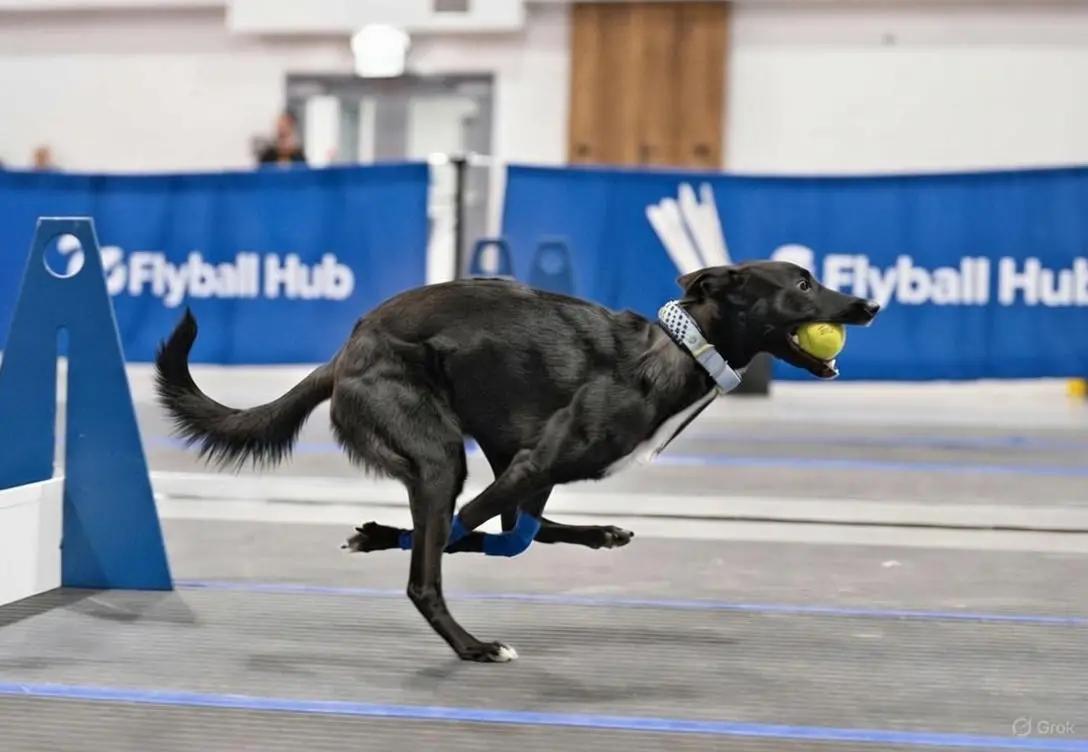
Breed matters less than confidence, fitness, toy interest and good handling. Many different dogs can enjoy flyball if they are introduced at the right pace and kept safe.
The main qualities that help are:
[Annotation: Add a small image grid of several breeds participating in flyball. Include diverse breeds to show accessibility.]
Some breeds do have natural advantages — for example, Border Collies and sport mixes are known for their speed and enthusiasm — but they’re far from the only dogs who compete. Spaniels, terriers, cattle dogs, whippets, labs, doodles, poodles, and countless rescue mixes all race successfully. Many teams actually enjoy having a wide variety of dogs, because each brings something different.
Flyball rewards drive, focus, and consistency more than raw genetics. A smaller dog with great confidence and a tidy turn can be just as competitive as a bigger, faster dog.
Puppies can absolutely start the foundation skills (like recalls and flat work), and older dogs can enjoy flyball too as long as they’re comfortable, motivated, and in good health. Many beginners join the sport later in life and still progress really well.
These are incredibly common fears, especially for first‑time handlers. In reality, most dogs surprise their owners once training becomes rewarding and fun.
"My dog isn’t a Border Collie — so flyball probably isn’t for us."
Many of the most passionate teams are full of mixed breeds, rescues, and dogs that simply adore the game. Enthusiasm counts for far more than breed, and most clubs genuinely enjoy helping all sorts of dogs find their confidence and rhythm.
These are some of the most common things people search for when deciding whether flyball is right for their dog.
Start with recalls, toy or tug rewards, focus and flat work. Then contact a local club so a coach can introduce jumps, box turns, passing and team work safely.
You can practise recalls, reward games and calm focus at home. Leave jumps, box work and fast repeated runs to a club coach, especially with puppies or young dogs.
Puppies can start foundation skills such as recalls, tug games and confidence work. Jumping, box turns and full sequences should wait until the dog is physically mature and your trainer is happy.
No. Fetching the ball is trained as part of flyball. A dog who enjoys toys, tugging or chasing a reward can often learn the retrieve later.
Absolutely. Small dogs are not only welcome — they’re often incredibly valuable on a team. The smallest dog sets the jump height for the whole lineup, so teams love having a confident little dog who enjoys the sport.
Not at all. Flyball teams rely on clean, consistent runs just as much as speed. A reliable dog who keeps their head in busy environments is just as useful as a naturally quick one.
Mild nervousness is fairly common, especially with young or inexperienced dogs. Many clubs introduce dogs gradually, with plenty of space and controlled setups. However, dogs who are reactive or uncomfortable in close-running environments may find flyball challenging.
Yes — as long as they’re in good health. Many older dogs join beginner classes and do brilliantly. Trainers will usually tailor the exercises to suit their comfort level.
Nope! Fetching the ball is something dogs learn as part of the sport. Plenty of dogs who don’t naturally retrieve still become great flyball dogs.
Moderately fit is enough to start. Training builds strength and coordination gradually. If your dog has existing injuries or mobility concerns, speak to your vet or trainer first.
Yes — but only the foundation skills. Things like recalls, tugging, engagement games, and confidence-building are perfect for young dogs. Jump work and box work come much later once the dog is physically mature.
Flyball training is built around progression, and the early stages look very different from the high‑speed racing you’ll eventually see at competitions. Young dogs and especially puppies can begin learning the behaviours that support flyball long before they ever touch a jump or interact with a box. These early sessions are short, fun, and focused on confidence-building rather than athletic performance. Many clubs treat this phase as a chance to develop good habits, teach clear communication, and make sure the dog views flyball as something exciting and safe. Also, just letting the dog aclimatise to being in the ring, around other dogs and handlers doing different things, it can be a lot of stimulation for younger dogs.
Important: Jump work and box work are introduced much later, once a dog’s body is mature enough. Each league has slightly different guidelines, so it’s always worth checking what applies in your country/league.
Just like human athletes, dogs benefit from:
These few minutes at the start and end make a noticeable difference. Many teams treat it as a chance to read how the dog is feeling that day. For example they could be a bit stiff, full of beans, or you just think they might want to take things steady today. This helps keep sessions safe and positive.
The first jobs are simple: come back quickly, value the reward, move confidently over low obstacles and wait calmly while other dogs work. Save full height hurdles and fast box work for later, once your trainer is happy with the foundations.
One of the most important early skills. Good flyball training starts with a dog that wants to sprint back to their handler, and a solid recall makes everything else easier. Most teams spend a surprising amount of time here because it builds confidence, speed and trust.
A good recall should feel fun and effortless for the dog. You’re not looking for perfect obedience; you’re aiming for enthusiasm and a straight, purposeful return.
Simple recall ideas:
At home, practise two person recalls in a garden or quiet field, keeping the distance short and the reward obvious. At a club, your trainer can add safe lanes, gentle restraint and mild distractions without overfacing the dog. A couple of great reps are far better than 20 mediocre ones.
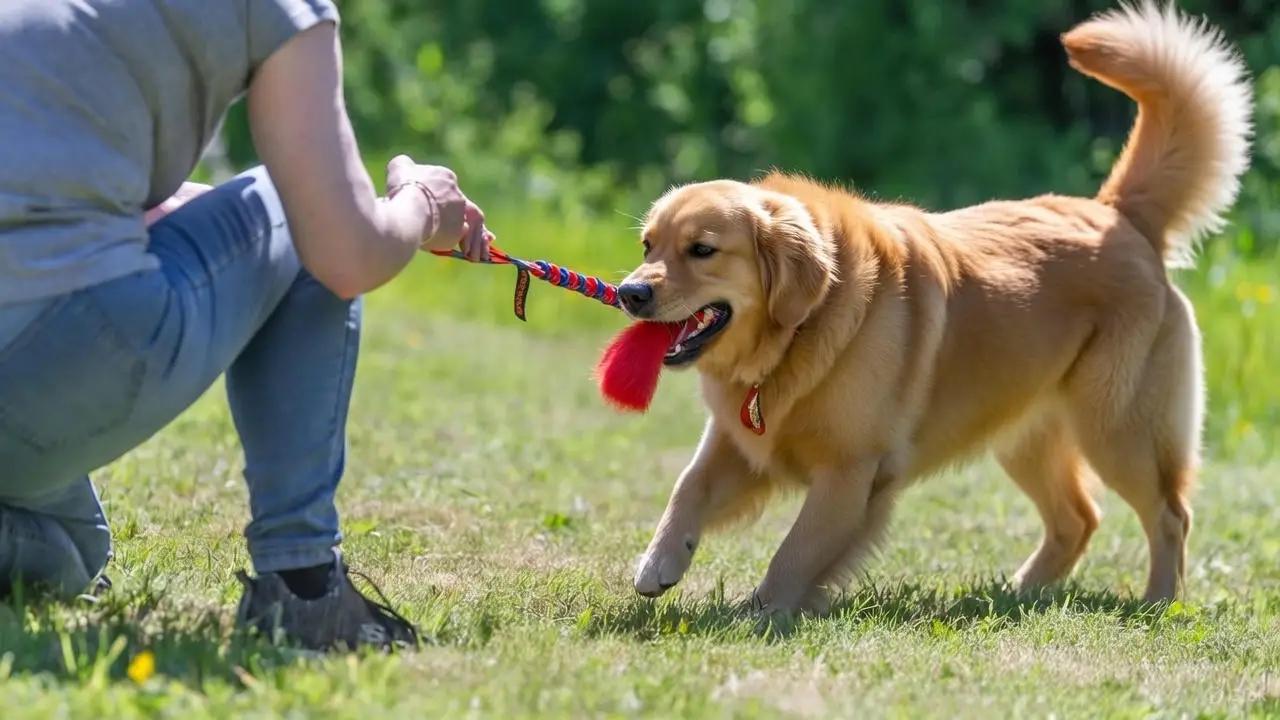
Most teams reward with toys. Tugging builds enthusiasm, confidence, and engagement. It's also a brilliant way to help dogs switch from running mode into celebrating with their handler.
If your dog is not bothered about a tuggy, do not worry. At home, start with tiny reward games: one or two seconds of tug, a swap for food, or a chase to a favourite toy. At a club, your trainer can help you build a reward that works in a busy hall and explain when food is allowed near the ring.
This means practising moving around obstacles, turning, focusing on the handler and building body awareness. It does not look much like flyball at first, but it lays the groundwork for safe, confident jumping and box turns later. At home, keep it light with cone wraps, mat settles and simple walking patterns. At a club, your trainer can turn those basics into safe lane work.
Examples:
Yes, but keep home flyball training to the safe foundation skills. Recalls, toy reward games, focus around mild distractions, settling on a mat and flat work confidence are useful before you join a team.
Use a club coach for jumps, box work, passing and anything fast or repetitive. Young dogs need extra care because their bodies are still developing. Warm up, take rest breaks, stop before the dog gets tired and check with a vet if your dog has injuries or mobility concerns.
Once dogs are confident on the basics, training becomes more flyball focussed. This stage is still controlled and gentle because you’re still just shaping the behaviours needed later, not running full sequences.
Teams usually start with:
The goal here isn’t height, it’s teaching a dog to move in a straight line, stay focused, and build positive associations with the lane.
A really common approach you’ll see in flyball training is back‑chaining (teaching one jump at a time, then gradually adding more). The idea is simple: set the dog up so the easy choice is taking the jump, reward generously, then increase distance and add the next jump when they’re confident.
You might also hear people talk about a “run‑away”. This is basically a restrained recall where the dog starts near the box end and runs back over four jumps to the handler. It’s a great way to build commitment and speed without rushing into full sequences.
A few practical details that often help (and don’t always get mentioned):
Many trainers also change the spacing or number of bars to keep things interesting without overworking the dog.
Dogs need to be happy running in a straight line, ignoring distractions and other dogs. This is one of the trickier skills for young or excitable dogs, so teams take their time.
Teams work on:
A lot of this is about reading the dog: some take to it quickly, while others need space, patience, and a slower build-up.
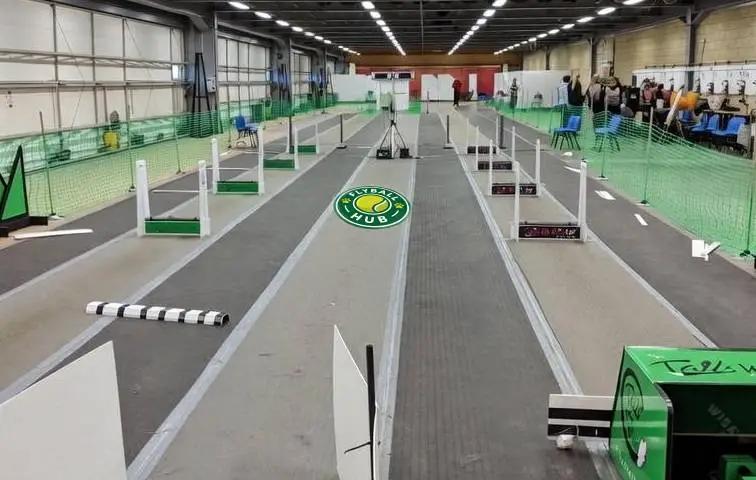
A good box turn is safe, efficient, and reduces strain on the dog, so it is taught in stages.
Early work often includes:
At this stage, trainers aren’t chasing speed. They’re looking for balance, confidence, and a clean pattern that can be developed later without creating bad habits.
One extra piece that’s useful early on is simply working out which way your dog naturally turns.
Dogs often have a preferred turning side (a bit like being left‑ or right‑handed). A simple way teams test this is:
It’s not a perfect science, but it can give you a helpful starting point when you move into box work.
[Annotation: Add a mini diagram showing the “turn direction” test with two people and a toy on the ground.]
[Annotation: Include a simplified diagram of a box turn progression. Avoid technical jargon; make it beginner-friendly.]
A first club session is usually about assessment and confidence, not racing. Expect short reward based exercises, space around other dogs, handler coaching and advice on warm ups, fitness and sensible progression.
A typical first session might include:
You’ll also notice that sessions often have plenty of breaks. Flyball can be mentally stimulating, so dogs are given time to process and relax between turns. Every dog progresses at their own pace — some pick things up quickly, while others take a little longer, and both are perfectly normal.
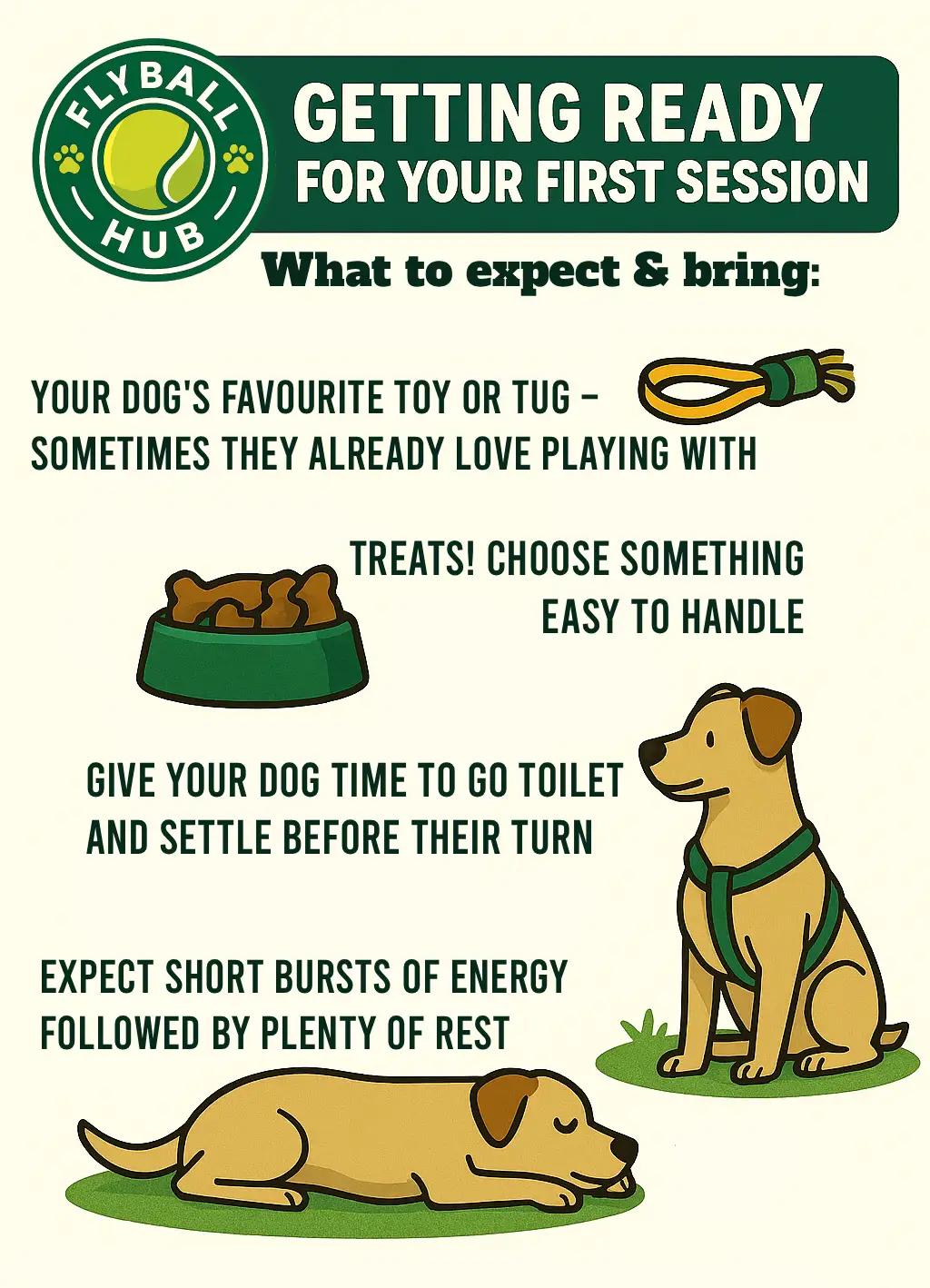
Before attending your first training, it helps to arrive feeling prepared so you and your dog can get the most out of the session.
Here are a few simple things to bring or think about:
Most handlers are surprised by how much downtime there is at flyball training, especially for beginners. The breaks are intentional — dogs learn best when they’re fresh, not overworked.
Flyball is fun, but it isn’t the right fit for every dog. Dogs who might struggle include:
Many trainers can help build confidence gradually, but flyball sessions are lively, so it’s important to be realistic and safe.
Use this guide to understand the basics first, then use Flyball Hub to find a team or help your club organise dogs, members, and training sessions. For new handlers, that usually means asking a local club about safe foundation work before worrying about speed.
Ready to go further? Use Find a Team to find a flyball club near you, then read the Flyball glossary for terms such as box, start dog and height dog. If you are starting with a young dog, read when puppies can start flyball before you try any jumping or box work.
If you’re thinking about joining a team or want to learn more:
If you are brand new, start with Find a Team and ask about foundation or beginner sessions.
And if you’re already running a team, the Flyball Hub app can help you manage dogs, members, and training sessions more easily.