
•Dalton Walsh
Find the best paw balm for dogs with three UK picks for dry pads, winter grit and active dogs, plus safe ingredient and application tips.
By Dalton Walsh
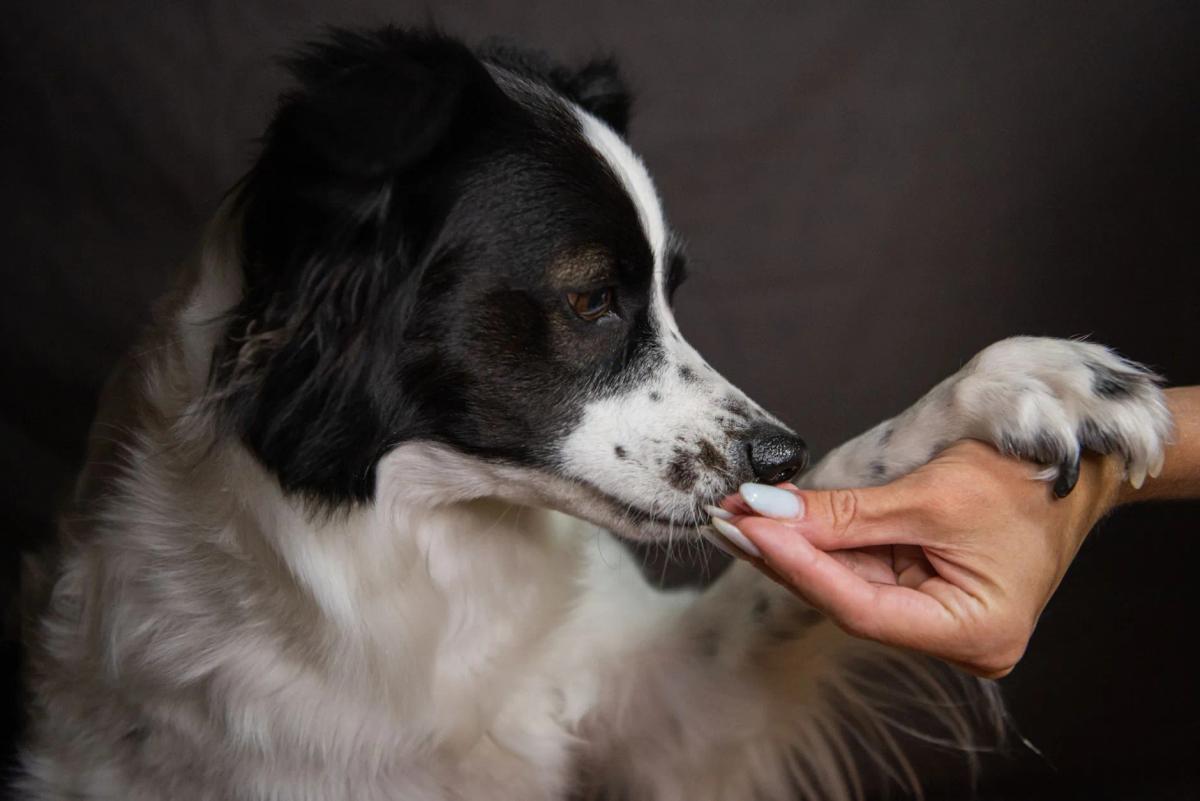
Best dog paw balm is not the most exciting bit of dog kit, I know. It sits in a tin, smells faintly waxy, and usually gets ignored until your dog starts licking a pad after a winter walk or a rough summer path.
I would rather have a pot in the car than wish I had one after training. Paw balm will not fix a cut pad, a burn or a dog who is limping. The best dog paw balm can help with dry pads, rough ground, salt, grit and those horrible little cracks that make a dog fuss at their feet.
For flyball people, paws take a hammering. Dogs launch, brake, turn, sprint back to a tug and do it again because they have no sense of self preservation. The best dog paw balm for that kind of dog needs to be boringly practical: safe to lick in small amounts, easy to apply, not too greasy, and tough enough to stay on for more than five minutes.
If your dog is lame, bleeding, swollen, or keeps licking one foot, skip the shopping bit and ring your vet. The PDSA wound advice is sensible here: keep wounds clean, cover them if needed and get help if you are worried. VCA Hospitals says even minor foot pad injuries can be stubborn, which matches what most dog sport people learn the annoying way. Paw balm is for skin care and light protection, not first aid magic.
The best paw balm for dogs depends on whether you need a pre-walk barrier or after-walk care for dry pads. My three clear picks are Musher's Secret for active dogs and rough ground, Natural Dog Company Paw Soother for dry pads, and Animology Paw Perfect as the budget choice.
| Product | Balm type | Best for | Typical UK price | Application format | Main drawback |
|---|---|---|---|---|---|
| Musher's Secret | Wax-led barrier | Rough ground and active dogs | £14 to £18 for 60g | Tub | Not a deep-crack treatment |
| Natural Dog Company Paw Soother | Rich moisturising balm | Dry pads after walks | £13 to £20 | Tin or stick | Can feel too greasy before fast work |
| Animology Paw Perfect | Budget moisturising balm | Light dryness and casual use | £4 to £7 | Pot | Less suited to hard winter walking |
Prices checked: 15 July 2026. Typical prices and stock can change, so compare the current pack size before buying.
Floofs Paw Balm from Tuff Pets is a specific option to compare if you want a ready-made balm rather than a generic marketplace search. Check the current ingredients, directions and price before buying.
Dog boots are the better alternative for hot, icy, sharp or painful surfaces. Balm is not a substitute for changing the route, resting the dog or getting veterinary advice.
I have not personally used every product in this comparison. For products I have not used, I compare the intended use, full product label, manufacturer details, reputable dog-care guidance, UK availability, price, texture and application format. I do not describe these products as tested, vet approved or vet reviewed.
Wax-heavy products suit pre-walk barrier use on salted pavements, rough tracks and frosty ground. Softer butters and oils suit after-walk care when dry pads need gentle moisturising.
Choose a dog-specific product whose full label is suitable for incidental licking. Be careful with fragrance and essential oils rather than assuming every scented product is safe or unsafe.
A greasy balm can reduce grip on smooth floors, matting and flyball lanes. Do not use balm on open wounds or as a way to keep exercising through pain.
Musher's Secret is a wax-led barrier balm for active dogs, rough ground, winter grit and pre-walk use. The 60g tub is typically £14 to £18 in the UK. Rub on a thin layer before heading out. Its main drawback is that it is not a treatment for deep cracks and the tub can be messy for owners who prefer a stick.
UK shops often list the 60g tub around £14 to £18, with larger tubs costing more. Zoomadog currently lists Musher's Secret from about £14.95, which feels about right for a product that lasts ages if you are not coating a team of Labradors.
It is the one I would keep in a flyball bag for winter car parks, frosty mornings and dogs who do a lot of outdoor work. You rub a small amount into the pads before heading out, give it a minute, then go. Do not cake it on. If you can see lumps of wax, you have used too much.
The downside is that it is not a miracle for cracked pads. It can soften and protect, but deep cracks need rest and sometimes vet advice. It also comes in a tub, so if you hate getting product on your fingers, you may prefer a stick balm.
Best for: winter grit, rough paths, flyball training days and dogs who need a barrier before exercise.
Natural Dog Company Paw Soother is a richer moisturising balm for dry, rough pads after walks. Typical UK pricing is £13 to £20 depending on the tin or stick size. Apply it when the dog is settled after paws are clean and dry. Its main drawback is that it can be too greasy before flyball lanes, agility matting or smooth floors.
UK availability moves around, so prices vary. I have seen it around £13 to £20 depending on size and seller, with iHerb and grooming shops carrying Natural Dog Company products at times. Check the size before comparing prices, because a tiny stick and a larger tin are not the same deal.
I would use this after a walk, not right before fast work. Put it on when your dog is settled, then give them a chew or a stuffed Kong so they do not lick the whole lot off in one dramatic minute.
It is a good choice for dogs whose pads get dry in cold months, or dogs who have been on lots of hard ground. I would not use a rich balm before flyball lanes, agility matting or shiny floors. Slippery paws are the opposite of helpful.
Best for: dry pads, after walk care and dogs who need more softening than a wax gives.
Animology Paw Perfect is a budget moisturising balm for light dryness and casual use. It is typically £4 to £7 in the UK. Use a small amount after a walk or on dry pads, not immediately before fast work. Its main drawback is that it is less suited to hard winter walking or serious outdoor training than a wax-led barrier.
This is not the one I would pick for a full winter of road walking or serious outdoor training. It is fine for mild dryness, quick touch ups and owners who are not sure whether paw balm will become part of their routine.
Budget balms can be perfectly decent. The thing I watch is texture. If it is too greasy, I avoid using it before any fast movement. If it smells very strong, I expect the dog to lick it more.
Best for: casual use, mild dryness and trying paw balm without spending much.
People love a home fix, but it is worth separating messy or weak barrier options from unsafe ones. Plain petroleum jelly and coconut oil can be greasy, lickable and poor barriers once a dog starts moving. That does not mean every use is toxic. Avoid guessing with essential oils or fragranced human skincare, and ask a vet about allergies, repeated licking, odour, discharge, bleeding, swelling, pain or a limp.
I am cautious. Plain petroleum jelly can make paws greasy, and many dogs lick it. Coconut oil is also lickable, messy and not much use as a barrier once your dog starts moving. Some home mixes include essential oils, which I would avoid unless your vet has said that exact product is safe.
A proper dog paw balm is usually not expensive. For me, that beats guessing. If your dog has allergies, sore skin or a habit of licking their feet raw, get vet advice rather than layering products on top.
Start when nothing is wrong. That is the boring secret. If the first time you touch your dog's paws is when they are sore, they are not going to thank you.
Put a tiny amount on one pad. Feed a treat. Stop. Do not try to do all four feet like you are on a production line.
Once your dog accepts the idea, build up to all paws. I like doing this when the dog is tired after a walk and has already had their feet dried. Keep the balm near the towel, not buried in a drawer where you will forget it exists.
For pre walk wax, apply a thin layer before you leave. For after walk balm, wash or wipe the paws first, dry them properly, then apply. Damp paws under balm can stay soft and irritated, which is not the plan.
If your dog hates paw handling, work on that separately with tiny rewards. Our best dog training treats guide has plenty of small reward ideas for this kind of fussy handling work.
After a session, check worn spots, cracks, redness between toes, broken nails, grit and the turning foot. Rest the dog and ring the vet for bleeding, heat, swelling, pain or a limp. Do not use a greasy balm immediately before lane work.
After a session, check each foot. Look for worn spots, cracks, redness between toes, broken nails and little bits of grit. Pay attention to the turning foot if your dog has a strong box turn habit.
If the pads look a bit dry, balm after the dog has cooled down is fine. If there is blood, heat, swelling or a limp, that is not a balm job. Rest the dog and speak to a vet.
The same goes for dogs doing canicross or lots of road running. Build distance slowly and vary the surface. Paw care is not only about what you rub on. It is also about what you ask the dog to run on.
Sometimes, yes. Hot weather is where people can get this wrong.
Paw balm can help dry pads, but it does not protect against hot pavement in any reliable way. If the path is too hot for your hand, change the walk. Go earlier, go later, choose grass, or skip it. Our walking your dog in hot weather guide covers that call in more detail.
For summer, I use balm after dry, rough walks rather than as permission to walk on hot ground. I also check for grass seeds, especially between toes. Those tiny things cause far more drama than they deserve.
Beach days are another one. Sand, salt water and rocks can all dry or scuff pads. Rinse paws with fresh water afterwards, dry them, then use a light balm if the pads feel rough.
If your dog is active and you want one product, buy Musher's Secret. It is the best dog paw balm for the jobs most sport dog people need: grit, rough ground and pre walk protection.
If your dog's pads are dry and rough at rest, try Natural Dog Company Paw Soother or another richer balm used after walks. If you are only testing the habit, start with a cheaper balm and see whether you use it for more than a week.
Most of all, do the paw check. Balm helps, but your eyes and hands catch the real problems. A clean foot, a sensible surface and a rest day at the right time will beat any tin of wax.
What is the best paw balm for dogs? Musher's Secret is the best fit here for active dogs and rough ground because it is a wax-led barrier. Natural Dog Company Paw Soother is the richer after-walk option for dry pads, while Animology Paw Perfect is the budget choice.
Is dog paw balm safe if licked? Choose a dog-specific product whose full label says it is suitable for incidental licking. Stop and ask a vet if your dog reacts, repeatedly licks their feet or has sore skin.
Should paw balm go on before or after a walk? Use wax-heavy balm before rough or salty surfaces. Use a softer moisturising balm after the walk once paws are clean and dry.
Can paw balm protect against hot pavement? No. Paw balm does not make hot pavement safe. Change the route, go at a cooler time or skip the walk if the surface is too hot.
When do cracked paws need a vet? Contact a vet for deep cracks, bleeding, swelling, limping, odour, discharge, repeated licking or pain.