•Dalton Walsh
Flyball harness guide for canicross fitness: UK kit picks, fit tips and safety notes for dogs doing training, warm-ups and off-season runs.
By Dalton Walsh
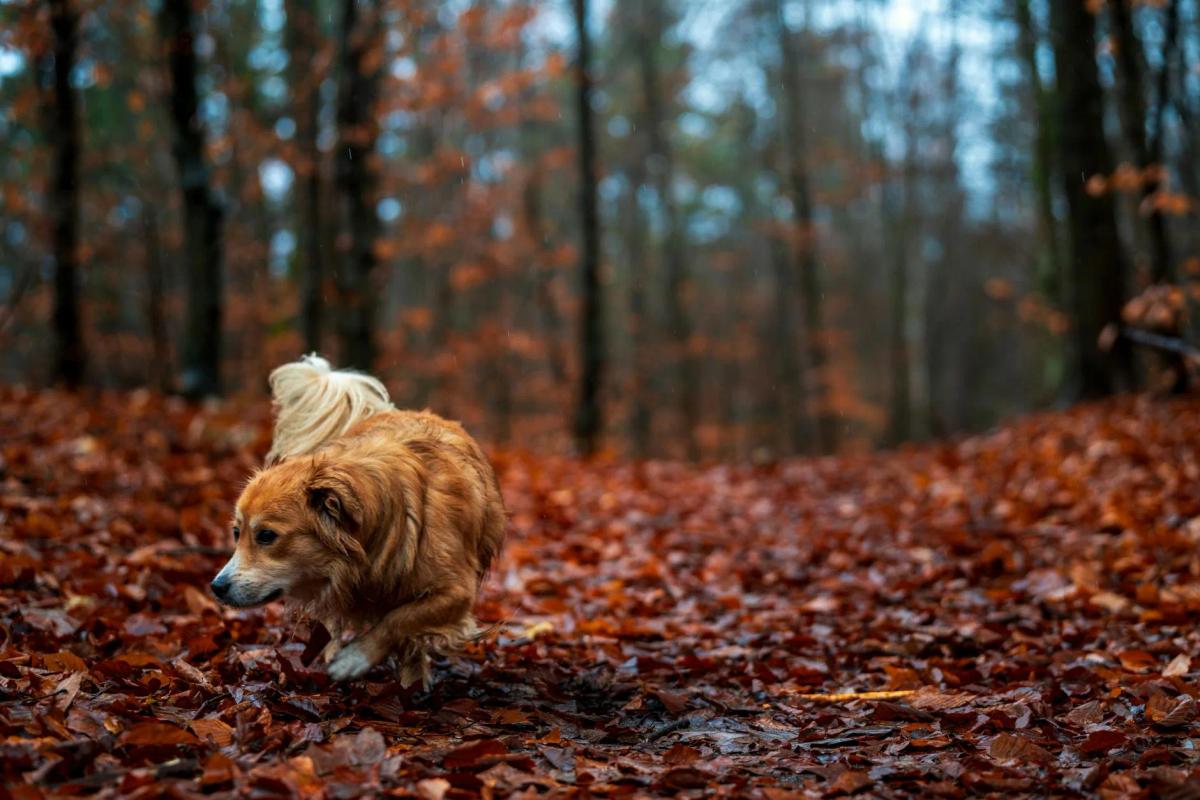
Your dog is bouncing at the door. You clip the lead on, and they practically haul you down the street.
If that sounds familiar, you have the right energy for canicross. You just need the right kit. And while belts and lines matter, the harness is the part that is actually touching your dog while they run. Get it wrong and your dog is uncomfortable, chafing, or at worst breathing awkwardly for the whole run. Get it right and they will love pulling you along those trails.
I have been running with my dogs for years, both as cross-training between flyball seasons and just for keeping fitness up when the weather clears. Over that time I have tried enough harnesses to fill a cupboard. Here is what actually matters, and which ones are worth your money.
For most UK dog runners, the best canicross harness is a properly fitted pulling harness, not a walking harness. Neewa is the best value X-back pick, Non-Stop Dogwear Freemotion is the premium option, and Howling Dog Alaska suits deep-chested dogs like whippets and lurchers.
For flyball dogs, treat the harness as fitness kit rather than race kit. Neewa and Non-Stop are good options for dogs that pull straight in canicross, while Howling Dog Alaska suits many lean, deep-chested dogs that need a closer fit.
If you mean a harness for flyball fitness work, yes, a well-fitted pulling harness can be useful for canicross, hill work and steady off-season miles. It should clear the shoulders, avoid the throat and let the dog pull from the chest without rubbing behind the front legs.
If you mean wearing a harness in the flyball lane, check your organisation and club rules first. Many dogs race without a harness because loose straps can catch, twist or change how the dog moves over the jumps and onto the box. Keep the canicross harness for controlled pulling sessions, warm-up walks and fitness work away from the ring.
Not every dog harness works for canicross. The best canicross harness should let your dog pull forward in a straight line while keeping the throat, shoulders and armpits free. The ones you see in pet shops, the sort with a padded plate on the back and a handle on top, are often called "multi-purpose" or "adventure" harnesses. They are fine for a walk. They are the wrong tool for running.
A proper canicross harness is designed for pulling. The attachment point sits low, near the base of the neck or across the chest, so your dog's weight pulls forward evenly without restricting their breathing or gait. The straps avoid the armpits to stop rubbing, and the back section is either open or shaped to follow the spine without sitting heavy on top.
The two main shapes you will come across are the X-back and the H-back.
X-back harnesses cross over the dog's back, creating an X shape. They distribute the pulling force across the chest and shoulders. These are the classic racing harness shape, borrowed from sled dogs. They are light, flexible, and they let the dog move freely at speed. The downside is that an X-back harness is built for a dog that is already pulling correctly. If your dog is awkwardly angled or tends to veer sideways, the straps can shift out of position.
H-back harnesses run straight across the chest and down the sides, leaving a gap over the back like the letter H. They are more forgiving of a dog that is still learning. The force goes straight through the chest and shoulders without any strap crossing to potentially pinch. Many casual canicross runners prefer an H-back because it is easier to fit and harder to mess up.
There are also what is sometimes called a Y-front or multi-sport design. These cross between the two ideas, with a Y-shaped chest strap and a straight back strap. They are popular for people who want one harness for canicross and bikejoring, though general training too. I am not a massive fan of one-size-fits-all, but some of these designs are genuinely decent.
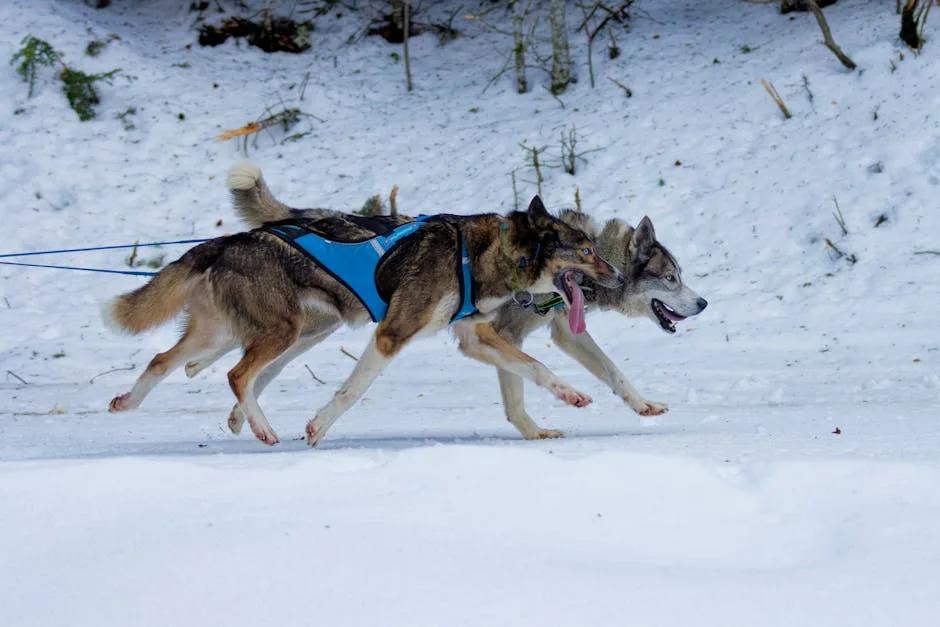
This is where a lot of people go wrong. They buy what the label says is a "medium" and hope for the best.
Proper measurement takes two minutes. You need three numbers.
Neck girth: Measure around the widest part of the neck, where it meets the shoulders. Not up near the collar.
Chest girth: Measure around the widest part of the chest, right behind the front legs.
Back length: Measure from the base of the neck (where the neck meets the back) to the base of the tail. This is mainly important for X-back harnesses.
Write those numbers down and keep them on your phone. Most UK canicross retailers list sizing in centimetres. A harness that is too loose will shift and rub. A harness that is too tight will restrict breathing. Both ruin a run. If your dog is between sizes, email the retailer and ask which way to size. Most of the UK canicross shops are run by people who actually run with dogs themselves, and they will tell you straight.
These are the harnesses I have either used myself or seen used heavily by people I trust at flyball tournaments and canicross events. Prices are approximate UK retail, and availability changes, so double-check before ordering.
Quick comparison before the reviews:
Best value: Neewa Sled Dog Pro, around £35-£45.
Best premium harness: Non-Stop Dogwear Freemotion, around £70-£85.
Best for deep-chested dogs: Howling Dog Alaska Second Skin, around £50-£60.
Best budget starter option: Man Mat Long Distance, around £25-£30.
Best multi-use compromise: Ruffwear Web Master, around £65-£80, but not ideal for sustained pulling.
If your dog is new to canicross, start with fit rather than brand. Choose an X-back or H-back that clears the shoulders, avoids the armpits and lets your dog pull from the chest without pressure on the throat. A cheaper harness that fits well beats a premium one that rubs after ten minutes.
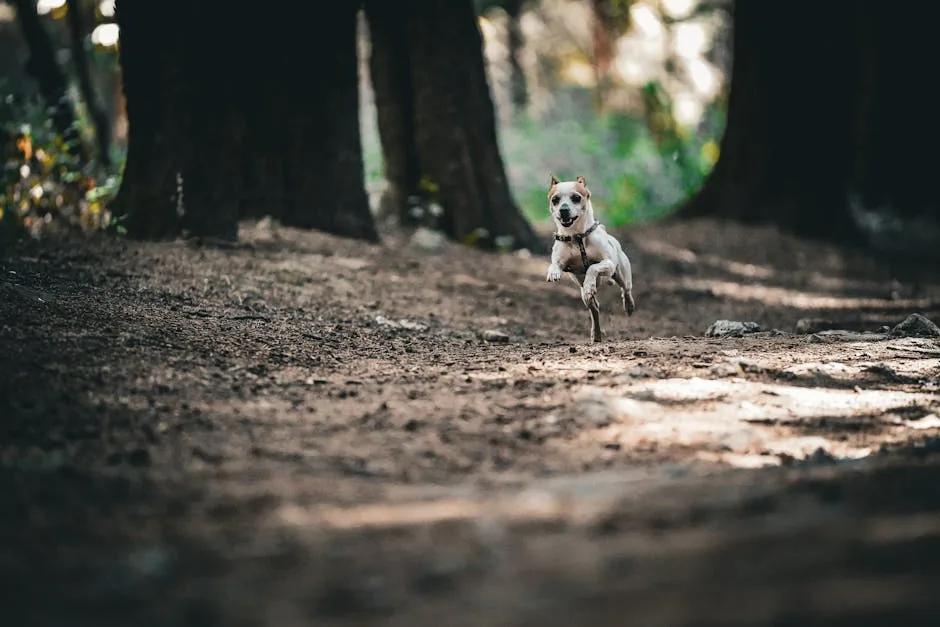
The Neewa Sled Dog Pro Harness is the one I keep coming back to. Neewa is an Italian brand that genuinely understands the sport. Their harnesses are properly light, the padding is minimal but placed exactly where it needs to be, and the fit is generous on long-backed breeds.
What works: The X-back design sits cleanly without flapping. The webbing is a proper sled dog grade, not the cheap nylon you find on high street pet harnesses. The padding is thin and breathable, which matters on long summer runs. I have run with mine for three years and there is barely any wear on the straps.
What doesn't: The colour options are bright orange or bright pink. You will not lose it in the mud, but you might feel self-conscious. Also, sizing runs a little generous. I would drop a size if your dog is definitely on the borderline.
Price: Around £35-£45 depending on size.
The Non-Stop Dogwear Freemotion Harness is the premium pick. Norwegian-designed, and you can tell. The fit is precise, the materials are excellent, and the overall shape follows a dog's movement more naturally than anything else I have tried.
What works: The adjustable straps on the chest and belly are a real upgrade over fixed sizing. If your dog is slightly between standard sizes, you can dial it in. The back strap sits clear of the spine, and the overall construction feels like kit that was designed by people who have actually timed a trial run.
What doesn't: It is expensive. At around £70-£85, this is firmly in the 'your main dog's harness' category, not something you buy for the whole pack. Some people also find the bright orange and blue colourway a bit loud.
Price: Around £70-£85
If you have a dog with a deep chest and a narrow waist, like a whippet, lurcher, or some collie lines, you know the struggle. Standard harnesses gape at the belly or pinch at the shoulders. The Howling Dog Alaska Second Skin is the best canicross harness UK option for that body type.
What works: The shape is genuinely different from most X-back designs. It grips the chest more closely and the belly straps are adjustable enough that you can snug it down without the whole harness riding backwards. Owners of sighthounds rave about this one, and after borrowing one for a run with a friend's lurcher, I get why.
What doesn't: It is designed for lean, deep-chested dogs. If your dog is more barrel-shaped, like a bulldog or a spaniel with a wide ribcage, this will not sit right.
Price: Around £50-£60
The Man Mat Long Distance Harness is one of the better budget options coming in at under £30. Czech-made, with a straightforward X-back design that does the job without any bells and whistles.
What works: The price. At around £25 it is half the cost of a Neewa, and for a beginner just testing whether their dog enjoys canicross, that matters. The material is sturdy enough, and the fit is a standard X-back that most dogs handle well.
What doesn't: The webbing is thicker than the premium brands, which means it is slightly heavier on the dog and can get warm in summer. It is also less adjustable, so if your dog is an awkward size you might not get the perfect fit.
Price: Around £25-£30
I am hesitating to include the Ruffwear Web Master Harness because it is not technically a pulling harness. It is a padded adventure harness with a handle on top. But if you are someone who wants one harness that covers canicross, hiking, and everyday walks, this is the least bad option.
What works: Ruffwear build quality is genuinely excellent. The materials last forever, the fit is adjustable across five points, and the handle is useful if you ever need to give your dog a quick lift over a stile.
What doesn't: The back plate sits heavily on the spine, which is not ideal for sustained pulling. Your dog will feel it on long runs. Also the attachment point is on the back, not low on the chest, which means you are pulling from the wrong angle for canicross.
Price: Around £65-£80
A full canicross kit needs three things: the harness on the dog, a belt on you, plus a bungee line between you.
The belt should sit around your hips, not your waist. When a dog pulls, your core absorbs the force. A waist belt tends to ride up into your ribs, which is miserable after ten minutes. Hip belts stay put and let you lean back slightly against the pull.
The bungee line is key. It absorbs the shock of a sudden stop or direction change, which saves both your back and the dog's neck. Get a line at least 2 metres long, ideally with a section of proper shock cord in it. Short lines or static ropes are a bad idea for running. If your dog stops abruptly on a static line, your lower back knows about it instantly.
I started with a cheap belt and line set from Amazon and replaced both within a month. The belt cut into my hips and the line had no real stretch. If you can stretch to it, budget around £40-£60 for a decent belt and line.
Using a collar instead of a harness. Dogs pull from the chest. Pulling from the neck is uncomfortable and can restrict breathing. Always use a proper harness.
Buying the cheapest option and upgrading later. It sounds sensible, but dogs form habits with kit. If your dog has a bad first experience because a cheap harness chafes, you might have to re-build their enthusiasm from scratch.
Expecting your dog to know what to do. Most dogs do not naturally run straight forward on a line. They zigzag to smell things, look back at you, or speed up in bursts. A bit of practice on quiet trails goes a long way before you try keeping pace.
Running in hot weather. Dogs overheat faster than humans. In summer you need to run early morning and keep the distance short. Carry water for both of you too. A shaded woodland trail is far better than sun-baked bridleways.
Canicross is fun, but your dog is working. Walking your dog in hot weather safely is a topic in its own right, but the short version is that dogs cannot sweat through their skin. They cool through panting, and if the air they are breathing is already hot, they overheat fast.
Build up distance gradually. Start with ten-minute jogs on cool mornings. Adding a few minutes per week is far better than going straight to a half-hour run because you feel guilty about the dog staring at you.
Watch your dog for signs of fatigue. A dog that is enjoying themselves will be responsive, ears forward, tail up or relaxed. A dog that is flagging might lag, pant excessively, or look back at you more than they look at the trail.
If you already do flyball, canicross is an excellent cross-training option. It builds endurance and core strength for the dog without the repeated impact of box turns and jump landings. Many experienced handlers use it as off-season fitness work.
On the other hand, if canicross is your first dog sport and you have a high-energy dog, it is a brilliant entry point. It is cheap to start, there is a massive UK community, and it gets you both out of the house.
Our canicross beginners guide covers everything else you need to know, including commands, clubs, and finding your first event.
A flyball harness should not be picked like a walking harness. For fitness work, the main job is to let the dog pull cleanly without loading the throat or blocking shoulder movement. That matters for dogs that already do a lot of fast turns, jump reps and sprint work.
Use the harness for steady canicross runs, warm-up walks, controlled resistance work and confidence building with young dogs. Do not use it to drag a dog into drive, and do not let the harness replace proper conditioning, rest days or box-turn training.
For most flyball handlers, the best first choice is still a simple pulling harness that fits properly. If your dog is between sizes, ask the retailer for help and send side-on photos. Fit beats brand every time.
For short trial runs, maybe. For regular canicross, use a pulling harness. Normal walking harnesses often put pressure in the wrong place, sit too heavily on the back or rub behind the front legs once the dog starts pulling.
The best flyball harness depends on the job. For canicross and off-season fitness, choose a pulling harness that clears the shoulders, avoids the throat and fits snugly without rubbing. For actual flyball racing, ask your club or organisation before using a harness in the lane, as many handlers keep harnesses for warm-ups and fitness work only.
X-back harnesses suit dogs that already pull straight and confidently. H-back harnesses are often easier for beginners because they are more forgiving if the dog changes angle or is still learning the job.
My strongest recommendation for most people starting out is the Neewa Sled Dog Pro Harness. At around £40 it hits the sweet spot of quality, durability, and price. If you have a sighthound, get the Howling Dog Alaska Second Skin instead.
If budget is really tight, the Man Mat Long Distance Harness will get you started. Just watch for rubbing on longer runs.
Either way, measure your dog before ordering. A harness that fits is a harness that gets used. One that chafes ends up in the cupboard with the rest of the impulse buys.