•Dalton Walsh
Walking dog in hot weather needs a different plan. Learn when to go out, when to stay home, what to carry and which warning signs matter most.
By Dalton Walsh
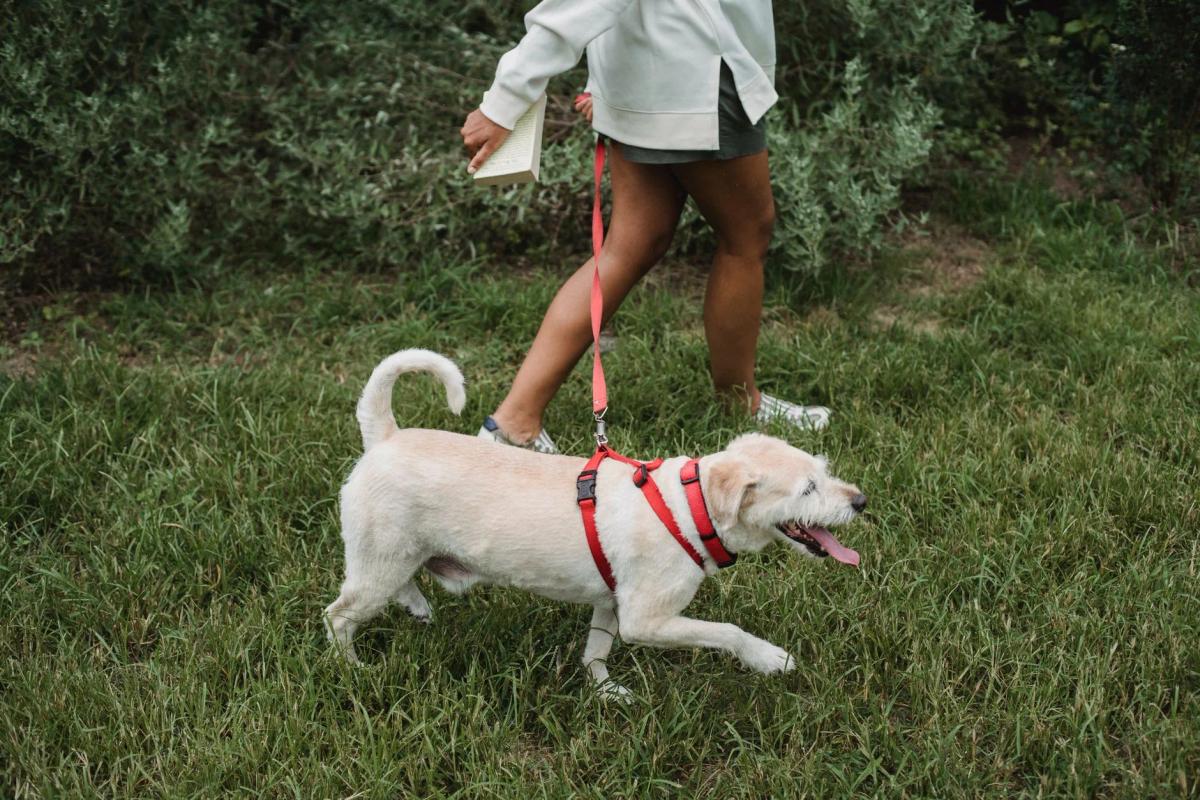
Walking your dog in hot weather sounds simple until you are halfway round the park with a panting dog, no shade and a lead that suddenly feels far too short. I have done the classic dog person bargain with myself: "It is only a quick one, they need to get out, we will stick to the grass." Sometimes that is fine. Sometimes the kinder choice is to turn around before the walk has properly started.
Dogs do not cool themselves like we do. They pant, they seek shade and they drink, but they cannot unzip a coat or explain that the tarmac is burning their feet. That is why hot weather walks need a boring, practical plan.
This is the version I would use for an active dog, including flyball dogs who think every outing is a warm up lap.
If the day is properly hot, skip the normal walk. Go early, go late, or swap the walk for gentle garden training, sniffing games or a shady toilet break.
I would be especially cautious with puppies, older dogs, overweight dogs, flat faced breeds, black coated dogs, thick coated dogs and any dog with heart or breathing problems. Fit sports dogs are not immune either. Sometimes they are worse because they want to keep going.
The RSPCA hot walks advice is blunt for a reason. Dogs can become ill from exercise in warm weather, not just from sitting in hot cars.
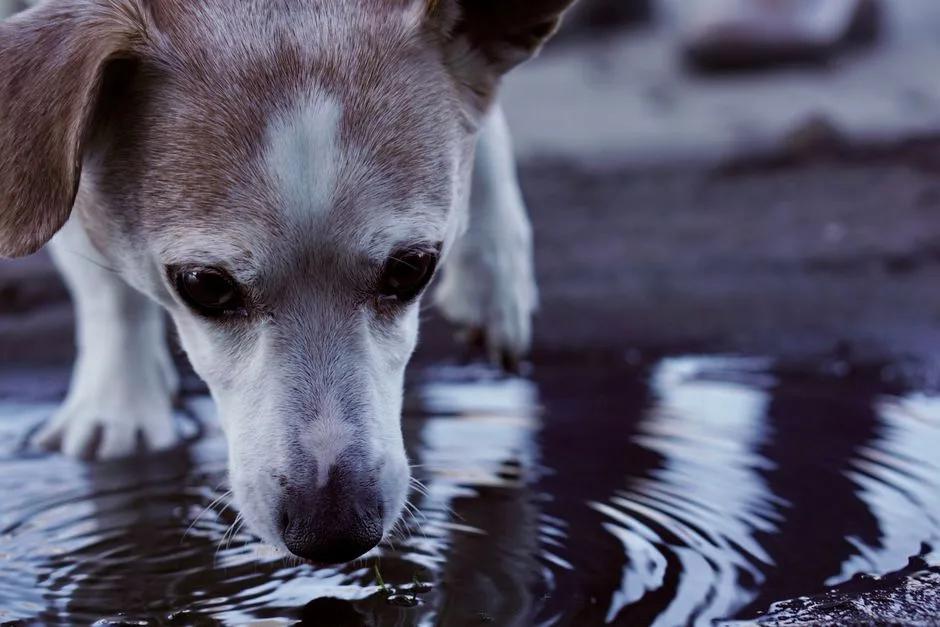
There is no perfect number because heat is not only temperature. Humidity, shade, wind, surface temperature, coat type, fitness and excitement all matter.
As a rough handler rule, I start changing the plan once it is warm enough that I would not want to jog in it. If I am looking for shade, carrying water for myself and avoiding pavements, my dog needs the same kind of thinking.
For many dogs, a gentle early morning walk may be fine on a warm day. A lunchtime walk on the same day can be a bad idea. The air is hotter, the ground has stored heat and your dog may be starting the walk already warm from the house or car.
The thing I trust most is the dog in front of me. If they are panting harder than usual, slowing down, seeking shade, refusing treats or looking a bit glassy, the walk is done. No debate.
Pavement, tarmac and artificial surfaces can get much hotter than the air. I have stood on car park tarmac at summer tournaments and felt heat coming through my shoes. A dog has bare paw pads on that surface.
Use the back of your hand on the ground for a few seconds. If you would not keep your hand there, do not ask your dog to walk on it. Move to grass, wait until later, or carry them over the hot patch if they are small enough.
Grass is usually kinder, but not magic. Dry, exposed grass can still be hot, and some sports venues have very little shade around the rings or lanes. If you are going to a training field, take shade seriously before you leave home.
Useful kit here is basic: a portable dog water bottle, a collapsible dog bowl and a light towel you can wet if needed. I would rather carry too much water than stand there pretending a few mouthfuls from my bottle is enough.
Early morning is usually best. The ground has had all night to cool and there are fewer people around. Late evening can work too, but check the pavement because it may still be holding heat.
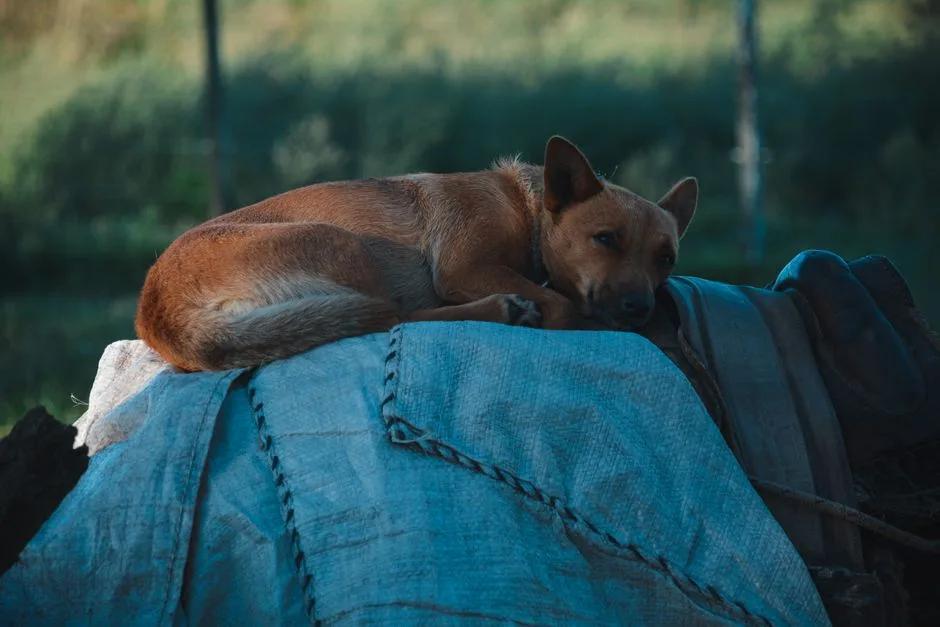
I try not to plan hot weather walks around my diary. I plan them around the dog. If the only available slot is the hottest part of the day, that is a toilet break, not a walk.
This is where people with high energy dogs feel guilty. I get it. A collie who has been waiting all day can make you feel like a terrible person for skipping the normal route. But one missed walk is not a welfare disaster. Heatstroke can be.
If your dog needs something to do, use their brain instead. Scatter feed in the shade, practise calm recalls down a hallway, do a few hand touches, or set up a short scent game. The how to tire out your dog when walks are not enough guide has more ideas for days when mileage is the wrong answer.
You do not need a full expedition bag for a ten minute wander, but I would not leave the house in warm weather without water.
A bottle with a built in trough is handy because you can offer small drinks often. Some dogs prefer a separate bowl, so a folding silicone bowl is worth having in the car or training bag.
For longer outings, I like:
For dogs who run hot, a dog cooling vest or dog cooling bandana can help on gentle walks. Basic bandanas are often £5 to £12 in UK pet shops. Cooling vests are usually closer to £20 to £70 depending on size and brand. They are not permission to exercise in silly heat. Once a vest dries out, it is just another layer, so keep checking it.
If you want a fuller kit list, I covered mats, vests and shade gear in best dog cooling products. For warning signs, keep dog heatstroke signs and what to do bookmarked before summer gets silly. My short version: shade and water first, cooling products second.
Hot weather is not the time for ball throwing, hill sprints, bike runs or "just one quick blast" across the field. I know that sounds obvious. It is also exactly how active dogs get into trouble.
Walking dog in hot weather should feel almost dull. Slow pace, shady route, lots of sniffing, no chasing. If your dog is the type who turns every open space into a launch pad, keep them on lead and choose a route that does not invite chaos.
This matters for flyball dogs. A dog who has been bred and trained to sprint may not self limit. They will tug, bark, chase and offer more because that is what we have taught them to do. On hot days, the handler has to be the sensible one.
For training nights, cut the reps down before the dog looks tired. Build in longer rest, move crates into shade and avoid warm ups that turn into mini workouts. If the dog arrives hot, skip the session.
The early signs can be easy to brush off because dogs pant on normal walks too. What worries me is a change from that dog's normal.
Watch for heavy panting that does not settle, drooling, bright red gums, wobbliness, confusion, vomiting, diarrhoea, weakness or collapse. Some dogs also stop taking food, which is a big red flag in a dog who usually eats anything with a pulse.
The RSPCA lists heavy panting, difficulty breathing, drooling, lethargy, poor coordination, collapse and vomiting as warning signs. Their heatstroke first aid advice is worth saving before you need it.
If you suspect heatstroke, stop exercise straight away, move your dog to shade, start active cooling and contact a vet. Do not wait to see if they perk up after the walk home.
Some dogs cope badly with a day of doing nothing. That does not mean they need a hot walk. It means they need a different outlet.
Try five minutes of training in a cool room. Do a few recalls between two people, practise settle on a mat, hide treats around the kitchen, or use a snuffle mat for breakfast. If your dog likes tug, keep it short and low intensity. Two calm reps are enough.
You can also move the walk to a shaded woodland route, but only if travel does not mean a hot car and the woods are genuinely cooler. Take water, stay slow and leave before your dog starts to fade.
For sport dogs, this is a good time to work on boring skills. Start line waits. Calm crate exits. Being handled. Loose lead walking around distractions. None of it looks exciting on Instagram, but it pays off when the weather is kinder.
Flat faced dogs such as pugs, French bulldogs and bulldogs need special care because panting may not cool them well. Older dogs and dogs carrying extra weight can also struggle earlier than you expect.
Black coated dogs may heat up quickly in direct sun. Thick coated breeds can look comfortable right until they are not. Puppies are a worry because they are poor decision makers in tiny bodies.
If your dog has a heart condition, breathing problem or any history of heat stress, ask your vet what limits make sense. That advice beats any temperature chart online.
I would also be careful with newly rescued dogs. You may not know their fitness, medical history or how they behave when they get too hot. Keep early summer walks short and easy until you know them better.
Before you leave, check the forecast and the ground. Choose shade and grass. Pack water. Decide before the walk what will make you turn back.
During the walk, keep it slow. Offer water before your dog looks desperate. Watch their face, breathing and movement. If anything feels off, stop.
After the walk, let them cool somewhere shaded with airflow. Do not shut a hot dog straight into a stuffy crate or car. If you are at training, keep checking them even after the walk ends because some dogs crash later.
My own rule is simple: I want the dog to finish looking like they could happily do more. If they finish flattened, I asked too much.
Walking your dog in hot weather is sometimes fine. It is also sometimes a bad trade. Your dog will not lose fitness because you swapped one hot walk for scent games and a toilet break.
If the ground is hot, the route has no shade, your dog is already panting, or you are trying to squeeze the walk into the hottest part of the day, skip it. Do something cooler and duller instead.
That is not being soft. That is good handling.