
Pros
- +Serious speed from a spaniel - working lines can post sub-4.5 second passes
- +Retrieve instinct gives you ball drive from day one
- +Athletic and agile enough for clean box turns
- +Stamina for days - still going strong at the end of a long competition
- +Tough and resilient dogs that handle the physical demands well
Cons
- -That nose will find every distraction on the ground between runs
- -Working lines are intense - need proper management at competitions
- -Can tip into frantic overexcitement if not trained carefully
- -Ears need constant attention around flyball equipment
Are Springer Spaniels Good at Flyball?
They're better than most people expect. Walk into a flyball competition and you'll spot the Border Collies straight away. Look a bit harder and you'll notice the Springers - usually the ones vibrating with excitement in their crates, absolutely desperate for their turn.
Working-line English Springer Spaniels are properly quick dogs. They're not just making up numbers in the lower divisions. Good ones run alongside Collies and Staffies without embarrassing themselves. Ball drive? Built in. Speed? More than enough. Trainability? They want to work. The whole flyball package is there if you know how to channel it.
The catch is that a Springer's brain is wired for scent as much as speed. Managing that nose - and the general chaos of a working Springer's energy levels - is where the real work happens.
Physical Attributes for Flyball
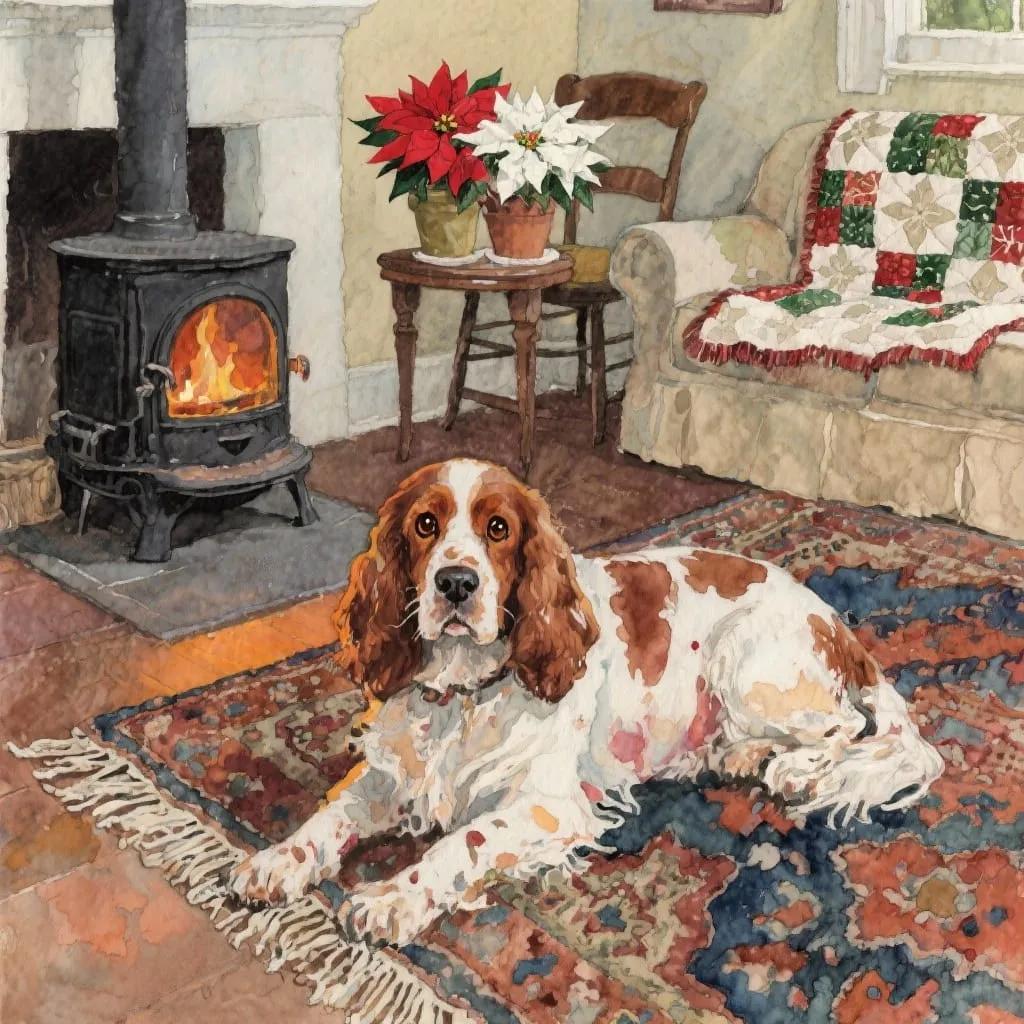
English Springer Spaniels from working lines stand around 48-51 cm at the shoulder and weigh 20-25 kg. That puts them in the medium category - bigger than a Cocker Spaniel but lighter than a Labrador. For flyball, that's a good place to be.
Their build is athletic and leggy, especially working lines. Show-bred Springers carry more coat, heavier bone, and a lower-set body - fine dogs, but not what you want on a flyball lane. Working Springers are built to cover ground all day in the field, and that shows on the lane.
The difference between working and show lines is more dramatic in Springers than almost any other breed. They barely look like the same dog. If you're picking a Springer for flyball, working lines are what you're after. No question.
How Fast Can a Springer Spaniel Run Flyball?
A good working Springer will post pass times around 4.2-4.8 seconds. The quick ones from strong working lines can push toward 4.0 seconds, which puts them in competitive territory alongside mid-pace Border Collies. That's fast enough to hold your own in Division 1 and 2 racing.
They're too tall to be height dogs, so they won't be dropping the jumps for the team. But unlike the Golden Retriever, a Springer doesn't need a tactical excuse to earn their spot. They're there on merit.
Their top speed - around 28 mph in a flat sprint - gives them the raw pace. Combine that with their lighter frame and you've got a dog that accelerates hard and turns well. Physics is on their side in a way it isn't for the bigger gundogs.
Temperament & Drive
Working Springers have drive coming out of their ears. These are dogs bred to quarter fields for hours, crashing through cover, hunting every last bird. That work ethic is exactly what you want in flyball. They don't switch off. They don't lose interest. If anything, the problem is the opposite - they've got too much drive and not enough off switch.
Ball obsession comes naturally. Like their Cocker cousins, retrieve instinct is hardwired. But where a Cocker might sit quietly between runs, a working Springer is more likely to be pacing, whining, and staring at the lane with intensity bordering on unhinged. Managing that arousal level between runs is half the battle at competitions.
In the lane itself, they're focused and fast. The noise and chaos of a flyball tournament barely dents their concentration once they're locked onto the ball. They're sociable dogs too, and rarely cause problems with other dogs - though they can be a bit overbearing with their enthusiasm.
The one thing to watch: that nose. Springers are scent dogs first, and if someone drops a sausage roll three lanes over, your dog knows about it. Training a Springer to ignore ground scent in a busy competition hall takes work. It's not a dealbreaker, but it's a breed-specific challenge you won't get with a Border Collie.
Training Considerations
Springers are smart and willing, which makes the fundamentals of flyball training fairly straightforward. They understand the concept quickly because the retrieve instinct does half the job for you. You're mostly directing energy that already exists.
Box turns come naturally to working Springers. Their medium build and athletic frame means they've got the agility for a tight swimmer's turn without the weight problems that plague bigger breeds. Most pick it up faster than you'd expect. Spend the time getting it right early and you'll have clean, consistent turns for years.
The real training challenge is impulse control. A wound-up Springer at the start line is a Springer that's going to break early, fumble the exchange, or run straight past the box because it forgot what it was doing. Crate games, start-line stays, and controlled releases are essential. Build the self-control before you add the speed.
Recall is generally good because you've got the ball as leverage. But there will be moments - usually involving an interesting smell - where your Springer's brain takes a detour. Keep sessions short and varied. A bored Springer starts freelancing, and a freelancing Springer is a Springer following its nose off the course.
One practical point: like Cockers, those ears flap about during sprints and can catch on equipment. A snood keeps them out of the way. Your Springer won't care.
When Can a Springer Spaniel Start Flyball?
They're a medium breed, so 12-15 months is reasonable for full training. Foundation work from puppyhood is fine and encouraged - recalls, ball drive, impulse control. Just hold off on the sprinting and box impacts until the joints have had time to develop.
Health & Longevity in the Sport
Working Springers are robust, practical dogs. Their medium build means less joint stress than heavier breeds, and they tend to hold up well over a long competitive career.
Hip and elbow dysplasia do occur in the breed. The 5-year BVA median hip score for English Springers is 10, so insist on seeing parent scores well below that before buying a puppy for sport. Elbow scores matter too.
Ear infections are the breed's biggest ongoing hassle. Those long, heavy ears trap moisture and warmth, and a Springer doing flyball on a warm day is basically creating a petri dish on each side of its head. Check and clean ears after every session. A snood during training helps with prevention as well as practicality.
Progressive Retinal Atrophy (PRA) is tested for in the breed - make sure parents are DNA clear. You don't want eye problems developing mid-career.
Most working Springers compete happily from 2 to 9 years old, with plenty going longer. Their lighter frame and natural athleticism works in their favour for career length. Watch for stiffness after sessions as they age, and retire them when they start telling you they've had enough.
The Verdict
Working-line Springers don't get enough credit in flyball. They've got the speed to compete and the drive to keep going all day. They're not Border Collies, but they're closer than most breeds get.
They're best suited for active handlers who can match their energy. A working Springer needs a job, and flyball is a brilliant one. If you can manage the excitement levels, keep on top of those ears, and train a solid off switch alongside the on switch, you've got a properly competitive flyball dog.
If you already run a Cocker as your height dog and want something quicker for the rest of the lineup, a working Springer is a natural step up. Same gundog brain, bigger engine.
Quick questions handlers ask about Springer Spaniels
Can a Springer Spaniel do flyball?
Yes. A fit working-line Springer Spaniel has enough speed, retrieve drive, and nerve for competitive flyball. The main job is not convincing them to chase the ball. It is teaching them to wait, listen, and stay clear-headed around other dogs, food smells, and race-day noise.
Is a working Springer better than a show Springer for flyball?
For most flyball homes, yes. Working Springers are usually lighter, leggier, and more athletic, which helps with acceleration and box turns. Show-bred Springers can still enjoy the sport, but they are less likely to match the pace and stamina of a good working-line dog.
What should Springer handlers train first?
Start with impulse control before chasing faster times. Build start-line waits, crate calmness, recalls away from scent, and tidy ball delivery. Once that control is reliable, the speed tends to come easily because the breed already loves movement and retrieving.