Pros
- +Retrieve instinct means ball drive is built in from day one
- +Trainable and eager to please - picks up the basics quickly
- +Bombproof temperament suits the busy competition environment
- +Soft mouth and gentle nature makes them reliable ball carriers
- +Gets along with every dog on the team without drama
Cons
- -Heavy build limits speed - not competing with Collies or Staffies
- -Long coat causes overheating issues at summer competitions
- -Box turn technique suffers from their size and weight
- -Prone to joint problems that can shorten competitive careers
Are Golden Retrievers Good at Flyball?
They're decent. Not spectacular, but decent. If you've got a Golden with proper ball drive - and most of them have - they'll give you an honest, reliable run every time. You won't find them in the Division 1 finals, but you'll see plenty of them at regional competitions across the UK, tails wagging, having the time of their lives.
The thing about Goldens is they were bred to retrieve shot game. A sport that involves sprinting to a box, catching a ball, and bringing it back to you? That's basically what they were designed for. The problem isn't willingness. The problem is that they're carrying 30-odd kilos while trying to keep up with dogs half their weight.
If you already own a Golden and want to try flyball, go for it. If you're choosing a breed specifically for competitive flyball, there are better options. But that's not really the point for most people, is it?

Physical Attributes for Flyball
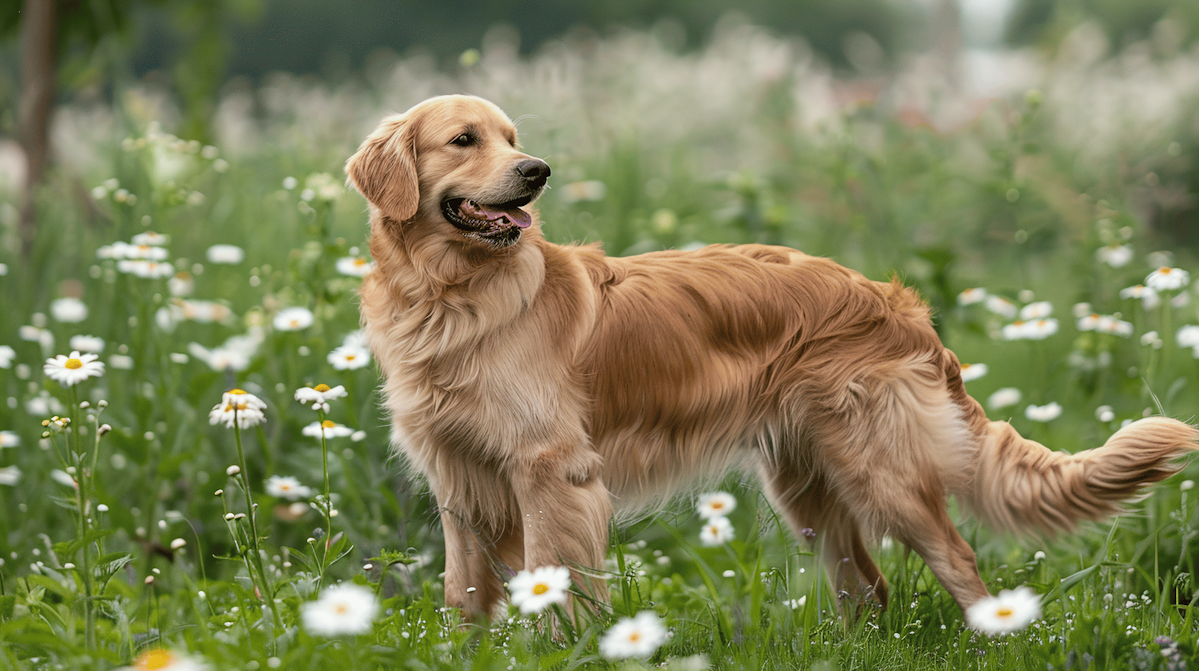
Golden Retrievers are big dogs. Males stand 56-61 cm at the shoulder and weigh 29-34 kg, with females a touch smaller at 51-56 cm and 25-29 kg. That puts them firmly in the large category for flyball, and size is not your friend in this sport.
They're built for endurance rather than explosive speed. Broad chests, heavy bone, and more muscle than a flyball dog really needs. They were designed for long days in the field, not short bursts down a 51-foot lane. Their slightly leaner build compared to a Labrador gives them a marginal edge, but we're splitting hairs at this level.
The coat is worth mentioning. Golden Retrievers carry a thick double coat with feathering on the legs, chest, and tail. In a sport that generates serious body heat, that matters more than you'd think.
How Fast Can a Golden Retriever Run Flyball?
Expect pass times somewhere around 4.8-5.5 seconds from a fit, well-trained Golden. The quicker ones from athletic working lines might push below 4.8, but that's the exception rather than the rule. Compare that to Border Collies posting sub-4 times and you can see where they sit.
They're not height dogs either. Far too tall for that role. So they're not lowering jumps for the team and they're not breaking speed records. What they are is consistent. A Golden that runs a clean 5.1 every single time is worth having on a team that needs reliability over raw pace.

Temperament & Drive
This is where Goldens earn their spot. Ball drive in a well-bred Golden Retriever is rock solid. That retrieve instinct runs deep - these dogs don't just like tennis balls, they're properly fixated on them. You're not going to spend months trying to convince a Golden that the ball matters. They already know.
Their temperament at competitions is one of the best you'll find. Goldens are naturally sociable and stable, and the chaos of a flyball tournament barely registers with most of them. Other dogs barking? Fine. Crowds cheering? Lovely. Strangers wanting to pet them? Even better. While some breeds find the competition hall stressful, Goldens tend to treat it like a social event they were specifically invited to.
Team dynamics are effortless. Goldens are famously good with other dogs, and they slot into a team without causing friction. No resource guarding in the crate area, no reactivity at the start line. Your captain will appreciate that.
The potential downside is that some Goldens can be a bit soft in drive compared to more intense breeds. A Staffordshire Bull Terrier attacks the box like its life depends on it. A Golden ambles up and collects the ball politely. That gentle retrieve style is bred in deep - it's great for not crushing pheasants, less great for shaving tenths off your time.
Training Considerations
Training a Golden for flyball is a pleasure, honestly. They're one of the most trainable breeds going, and they want to get it right. That eager-to-please disposition means they respond brilliantly to positive reinforcement, and you'll rarely hit the stubborn refusals you sometimes get with terrier breeds.
The retrieve concept barely needs teaching. Run out, grab ball, bring it back - that's a Golden's default setting. You're just shaping technique, not starting from zero.
Box turns are your main training challenge. Like Labradors, their size and weight makes the swimmer's turn technically difficult. A 32 kg Golden hitting the box at full speed creates a lot of impact force, and teaching them to turn efficiently rather than just collect the ball and lumber around takes time. Invest in proper box work early and don't skip steps.
One breed-specific tip: keep training upbeat but not frantic. Goldens are sensitive to handler emotion, and a stressed handler produces a worried Golden. They pick up on your mood more than most breeds. Keep sessions fun, finish on a high, and they'll come back keen every time.
Food motivation works brilliantly alongside ball drive for shaping behaviours. Use it. Just watch their weight - a Golden carrying extra kilos is a Golden heading for joint trouble, and they're already prone to putting it on.
When Can a Golden Retriever Start Flyball?
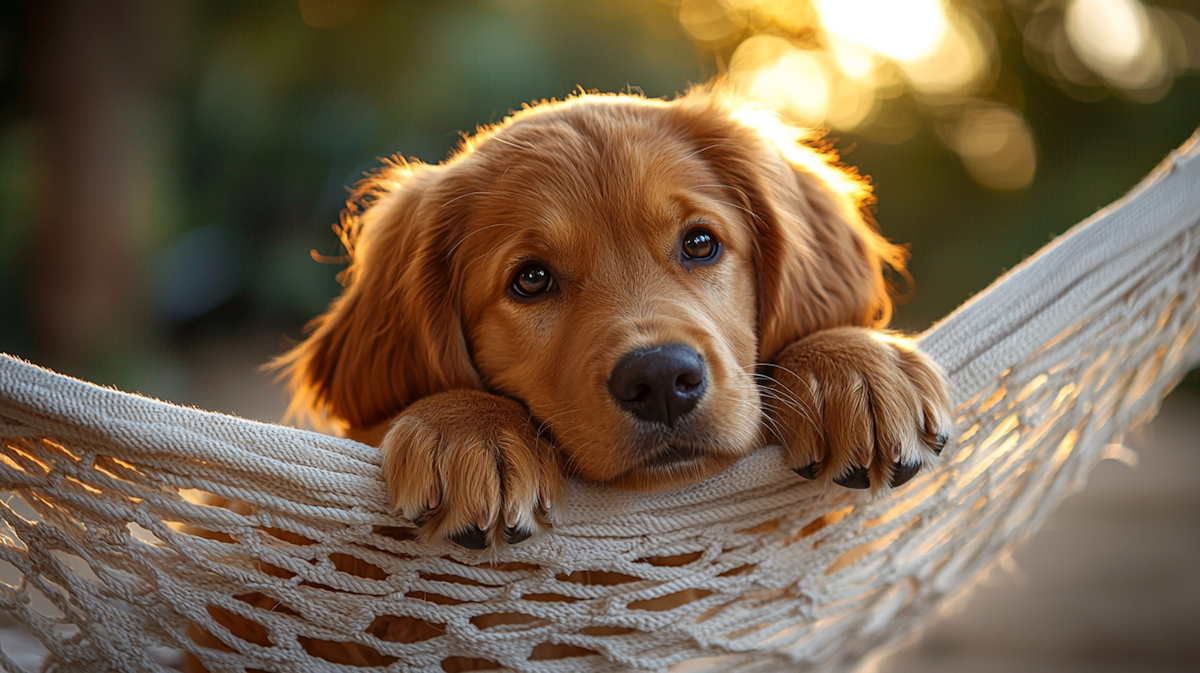
Wait until 14-18 months before full training. They're a large breed and their joints need time to develop properly. Foundation work from puppyhood is fine - recall games, impulse control, building ball drive - but save the sprinting and box impacts until they're physically ready.
Health & Longevity in the Sport
Golden Retrievers have some breed-specific health considerations that matter for a high-impact sport like flyball. Hip and elbow dysplasia are common - insist on seeing parent health scores before buying a puppy you plan to compete with. BVA hip scores and elbow grades are the minimum.
Cancer rates in the breed are higher than average. It doesn't affect flyball training directly, but it matters when you're thinking about career length and long-term health.
That thick coat creates real overheating risk during summer competitions. Run them early in the day when possible, keep water available, and watch for signs of heat stress. A wet towel on the belly between runs helps. Some handlers clip the undercoat during competition season, which helps more than you'd expect.
Competitive careers typically run from about 2 to 7 years old, though lighter-built Goldens from working lines may keep going longer. Shoulder and wrist injuries from repeated box impacts are the main flyball-specific concern. Regular conditioning work, proper warm-ups, and the occasional physio check will help extend their career.
The Verdict
Golden Retrievers aren't going to win you any trophies in the top divisions. They're too big and too slow for that. But flyball isn't only about winning, and a Golden on a Division 3 team, running clean 5-second passes and making friends with every dog and handler in the building, is what the sport needs more of.
They're best suited for handlers who want a fun, social activity for their dog rather than chasing competitive glory. If you've already got a Golden and you're wondering whether flyball is worth trying - yes, it is. They'll love it and so will you.
Keep them lean, manage that coat in warm weather, and invest in proper box turn training. They'll never be the quickest dog on the team, but they might just be the happiest.