•Dalton Walsh
Plan a calmer flyball training session with a two-hour template, lane rotations, mixed-ability grouping, RSVP tips and record keeping for UK clubs.
By Dalton Walsh
Running flyball training isn't just about turning up with a box and some jumps. If you're the one organising sessions - whether you're a captain, trainer, or just the person who ended up in charge - you'll know there's a lot more to it than that.
A well-planned session means more dogs get quality training time and fewer people standing around confused. A badly planned one? Chaos. Handlers wondering why they bothered coming. Dogs who've barely had a run while others hogged the lane.
Here's what we've learned about running training sessions that actually work.
If you only need the short version, plan the session in this order: confirm who is coming, group dogs by ability, set one clear goal per dog, rotate lane time fairly, build in water breaks, and write down what to work on next week. That simple routine gives most UK flyball clubs a calmer session before you even get the box out.
Before you can plan what happens in the session, you need the foundations sorted.
Pick a consistent slot. Most clubs train on the same night each week - Tuesday evenings, Sunday mornings, whatever works for your venue and members. Consistency helps people plan around it. If your slot keeps changing, attendance becomes unpredictable.
Confirm your venue early. Whether you're hiring a hall, using a field, or training at someone's property, make sure it's booked and confirmed. Nothing derails a session like turning up to find the venue double-booked.
Get a headcount. You need to know who's coming and which dogs they're bringing. This isn't just admin - it directly affects how you plan lanes, rotations, and timing. Chase people for RSVPs a few days before if you need to.
A simple message like "Training this Sunday 10am - reply with which dogs you're bringing" works. Or use a team app where people can tap to confirm attendance.
A training session without structure tends to drift. Dogs end up waiting too long between runs, some handlers hog the lane, and you lose track of time.
Here's a rough structure that works for a typical two-hour session:
0:00 - 0:15 | Setup and arrivals Get equipment out, jumps positioned, box loaded. People arriving, dogs having a sniff and settle.
0:15 - 0:30 | Warm-ups Light stretches for dogs, a few easy recalls, getting focus. This is especially important for dogs that need time to switch on.
0:30 - 1:15 | Main training blocks The core of your session. Split into lanes or groups based on what dogs need to work on. Rotate so everyone gets turns.
1:15 - 1:30 | Break Dogs rest, water bowls out, handlers chat. This is also your chance to regroup and adjust the plan if needed.
1:30 - 1:50 | Second training block or full runs Depending on your goals - more focused work, or putting it together with full runs and passes.
1:50 - 2:00 | Cool-down and pack away Wind things down, stretches, pack equipment. Quick chat about what went well.
You don't have to follow this rigidly, but having a structure means you're not making it up as you go along.
Most clubs have a mix: complete beginners still learning recalls, dogs working on box turns, and experienced racers drilling passes. Running a session that works for everyone takes thought.
Split by ability where possible. If you have enough handlers, run separate lanes - one for foundation work (recalls, single jumps, box introduction) and one for more advanced training (full runs, passing practice). This stops newer dogs getting overwhelmed and experienced dogs getting bored.
Stagger your session times. Some clubs run beginners from 6-7:30pm, then advanced training from 7:30-9pm. Beginners are encouraged to stay and watch racing practice to learn how the sport comes together.
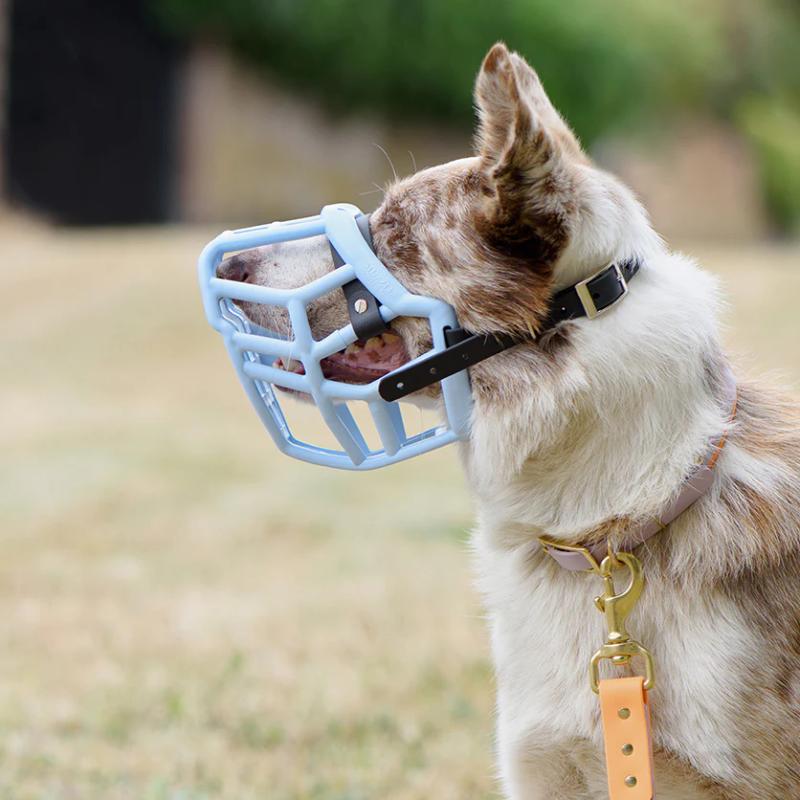
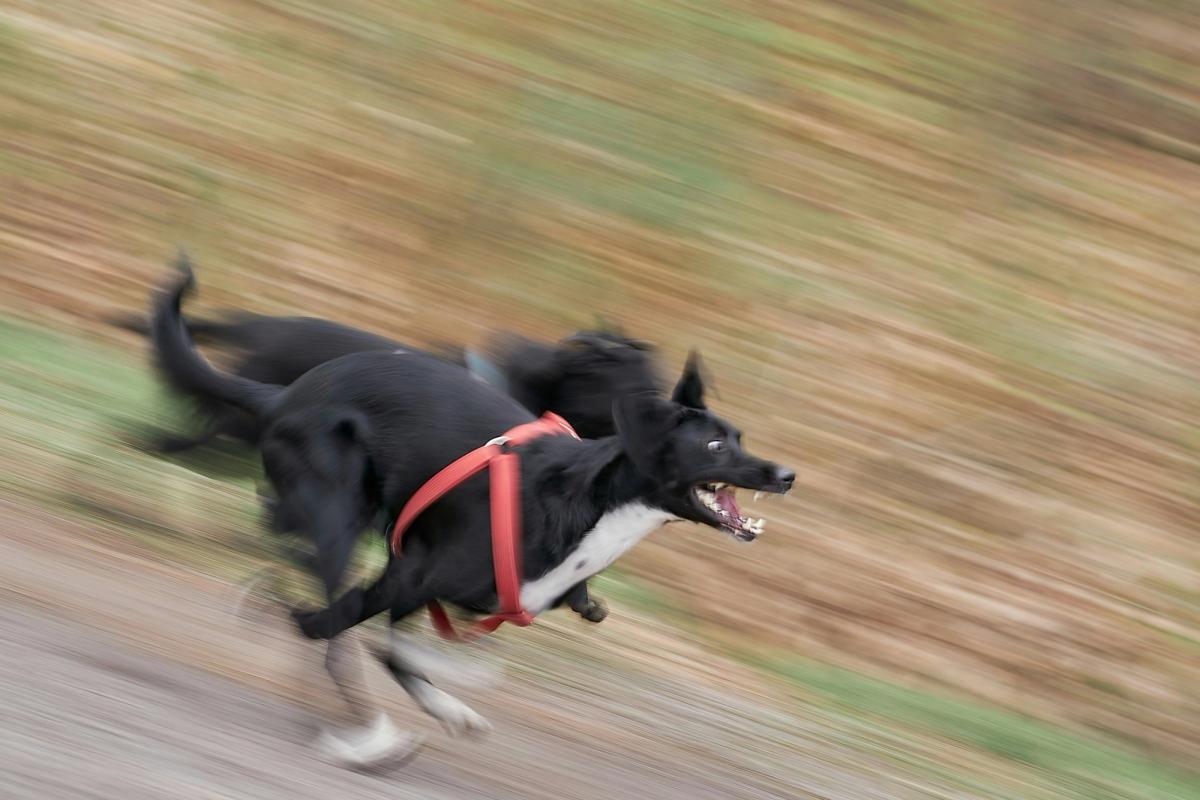
Pair up strategically. If you can't fully separate groups, think about who works together. A nervous dog doesn't need to be in the lane next to the most fired-up collie in the club. Put calmer dogs together and let the speed demons run together.
Rotate fairly. It's easy for the same keen handlers to end up running their dogs constantly while others wait. Keep track of who's had turns and make sure everyone gets lane time.
Generic "let's do some training" sessions are less effective than targeted ones. Before the session, think about what different dogs need:
If you're organised, you can assign dogs to specific slots or lanes based on their training goals. This means handlers know what they're working on before they arrive, and you're not figuring it out on the fly.
In Flyball Hub, we built a feature for exactly this - you can create a training session, assign dogs to time slots, add notes about what each dog is working on, and share it with your team before the session. Everyone turns up knowing the plan.
Half the stress of running training comes from poor communication. Most of it is avoidable.
Before the session:
During the session:
After the session:
Avoid relying on group chats for important info. Messages get buried. Pin announcements, or better yet, use a dedicated space where training info lives separately from the banter.
Don't be the captain who forgets the box key. Keep a checklist somewhere accessible:
If multiple people are responsible for bringing kit, make sure everyone knows who's bringing what. A shared checklist that people can tick off prevents the "I thought you were bringing the jumps" situation.
Even well-planned sessions hit snags. Here's how to handle the usual suspects:
People not RSVPing: Chase them. If someone consistently doesn't respond, have a word. You can't plan properly without knowing who's coming.
Latecomers: Start on time anyway. If you wait for everyone, you're punishing the people who showed up on time. Latecomers can join the next rotation.
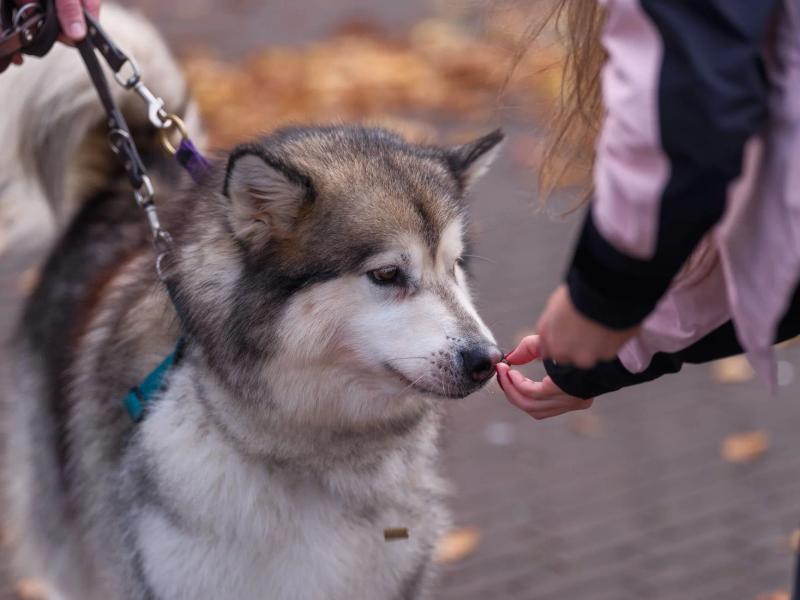
Dogs that won't settle: Some dogs are too hyped to wait calmly between runs. Keep them away from the action until it's their turn, or give their handler a specific job to keep the dog's brain busy.
Weather cancellations: Decide early and communicate clearly. "Training cancelled tonight due to waterlogged field - see you next week" is better than leaving people guessing.
Dominant personalities: Some handlers will try to run the show or get more than their fair share of lane time. As captain, it's your job to manage this diplomatically but firmly.
After a few months of training, it's hard to remember what you worked on, which dogs made progress, and what problems kept coming up.
Keep simple notes:
Over time, patterns emerge. You'll spot that certain dogs always struggle after a break, or that sessions run better when you do warm-ups properly, or that you need to buy more balls because they keep disappearing.
This doesn't need to be complicated - a shared doc or notes in your team app is enough.
Because the alternative is exhausting. Chasing people for RSVPs at 9pm the night before. Turning up to find half the team thought it was cancelled. Spending an hour working out who's in which lane while everyone stands around.
Good planning isn't about being a control freak. It's about making training actually work - for your dogs, your handlers, and for you as the person running it.
And if you're spending too much time on spreadsheets and group chat wrangling, that's exactly why we built the training session features in Flyball Hub - scheduling, RSVPs, dog assignments, and notes all in one place. Might save you some headaches.