•Dalton Walsh
Keep your dog cool in summer without AC using shade, fans, water and routine changes. Know the heatstroke signs and when to call your vet.
By Dalton Walsh
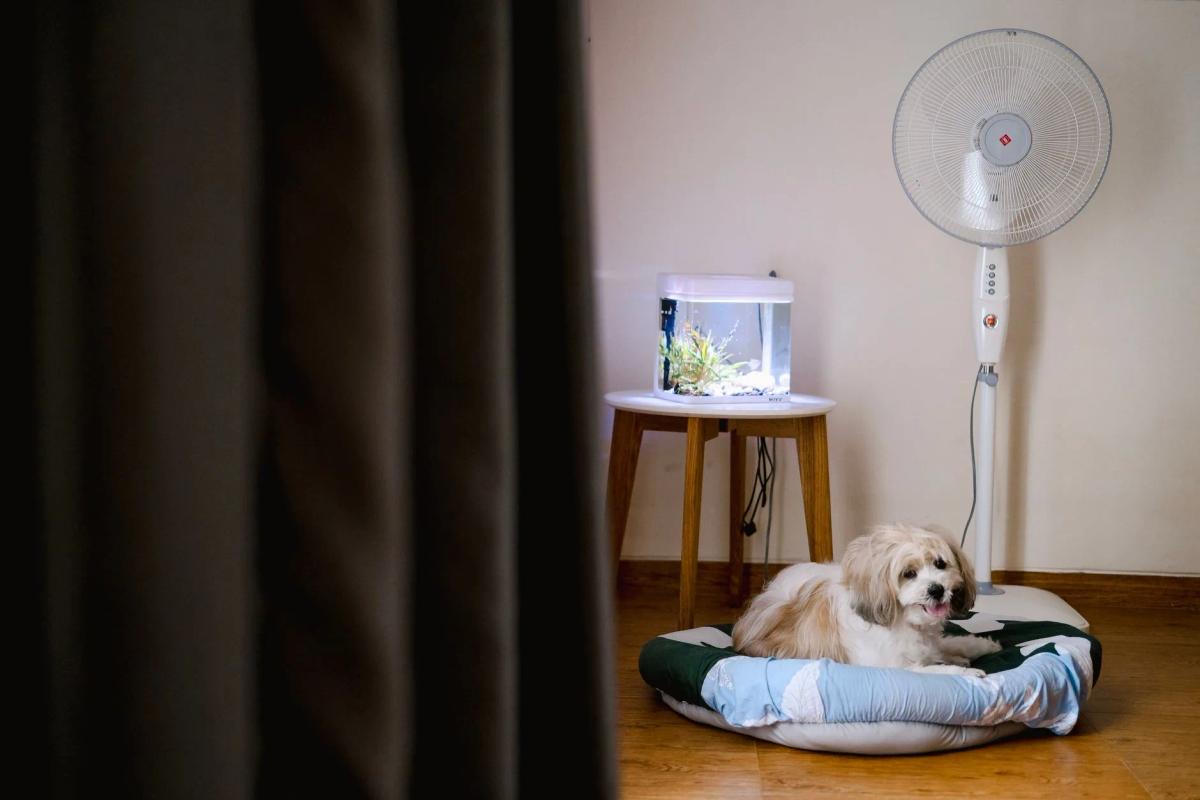
You can keep your dog cool in summer without AC. Start by stopping the room heating up, then offer water, airflow and several cooler resting places your dog can choose between.
I know that sounds almost too simple. On a sticky summer afternoon, though, people often reach for a gadget while the curtains are open, the back door is letting hot air in and the dog has just come home from a game of fetch. Fixing the room and the routine usually does more than buying another bit of kit.
This guide is for keeping a well dog comfortable at home. If your dog is panting heavily, confused, weak, vomiting, collapsing or struggling to breathe, treat that as possible heatstroke. Start cooling them and call your vet straight away.
To keep your dog cool without air conditioning, close curtains before direct sun reaches the room, use fans when they improve airflow and put fresh water in more than one place. Offer a shaded cool floor, cooling mat or damp resting spot your dog can leave whenever they want.
Move walks and training to the coolest part of the day. On properly hot days, skip hard exercise. A missed run will not hurt a fit dog. Heatstroke might.
Flat-faced dogs, older dogs, puppies, overweight dogs and dogs with thick coats need extra care. PDSA also warns that exercise causes most heatstroke cases in dogs, so the day's activity matters as much as the temperature in your living room.
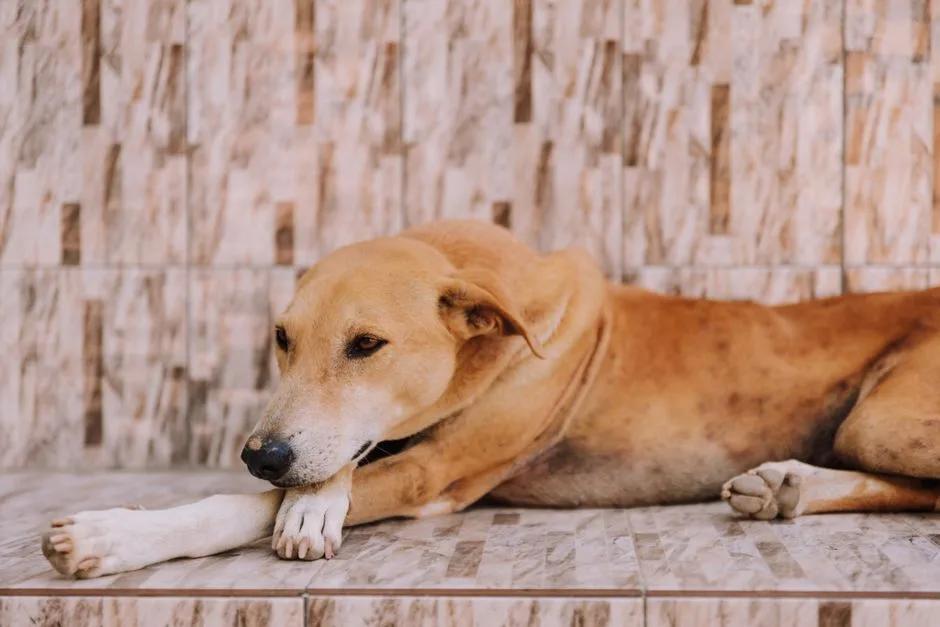
A hot room is much easier to prevent than to cool. In the morning, close curtains or blinds on windows that catch direct sun. If one room stays naturally cooler, make that your dog's daytime base and move their bed, water and favourite chew there.
Check the floor at dog height. A shaded tiled kitchen may feel lovely while a raised bed beside a sunny window feels like a greenhouse. Dogs are usually good at choosing a comfortable spot when we give them options.
Windows need a little judgement. Open them when the outside air is cooler than the room, often early in the morning and later in the evening. During the hottest part of the day, an open sunny window can bring more heat inside. Keep restrictors or screens secure so your dog cannot push through.
I also switch off things that warm the room for no good reason. Ovens, tumble dryers, gaming PCs and bright old bulbs all add heat. This is not glamorous advice, but neither is sitting beside an oven in July.
A fan does not chill the air. It moves it, which can help sweat or water evaporate and can make a room feel less stuffy. Dogs mainly cool themselves by panting, so a fan is useful support rather than a complete answer.
Put the fan where it creates airflow through the room without trapping your dog in a direct blast. Let them move away. Secure the cable, keep the blades behind a guard and do not point a loose desk fan into a crate where an excited dog can knock it over.
A basic desk fan often costs about £10 to £25 in the UK. A clip-on rechargeable fan can be handy beside a crate at training, but check the mount regularly. For home use, I would buy a stable fan with a proper guard before paying extra for a product labelled as pet equipment.
If you have two safe openings, use the cooler evening air to make a cross-breeze. One fan near a window can help pull cooler air in or push warm air out, depending on the layout. Try both directions and check the room with your own hand and face rather than assuming the setup works.
Keep fresh water available all day. Put bowls in the rooms your dog actually uses, not only in the kitchen. A heavy ceramic or non-slip bowl is less likely to end up upside down when a hot dog drinks quickly.
You can add a few ice cubes if your dog likes them. Blue Cross includes ice cubes in water among its summer tips. Some dogs fish them out and soak the floor, which is still technically hydration, just with more mopping.
Do not force a dog to drink. Offer water often, keep it clean and let them choose. If your dog refuses water, seems unwell or cannot keep water down, ring your vet.
For dogs that enjoy food puzzles, freeze part of their normal meal in a rubber food toy or lick mat. Count it as part of their daily food rather than adding a pile of rich treats. Supervise chewers and remove damaged toys.
A cooling mat can be useful, particularly on carpet. Pressure-activated gel mats commonly cost around £10 to £30 in the UK, depending on size. Check the cover for damage, especially if your dog digs or chews before settling.
Some dogs adore cooling mats. Others avoid them as if the mat has personally offended them. Do not pin your whole plan on one product.
A shaded tile, stone floor or slightly damp towel laid flat can work too. The important bit is choice. Never wrap a wet towel around your dog or drape one over them, because it can trap heat. Both PDSA and the RSPCA warn against covering a hot dog with a wet towel.
A shallow paddling pool is another option for dogs that enjoy water. Fill it with cool, not freezing, water and supervise. Do not push a frightened dog in, and keep their nose and mouth clear of splashing water.
You can browse a dog cooling mat or a shallow dog paddling pool if you need a ready-made option. Neither one makes hard exercise safe in hot weather.
Cool water on the body can help a hot dog lose heat. PDSA advises pouring water over a dog or encouraging them into cool water on warm days. Concentrate on the body and legs while keeping water away from the nose and mouth.
You may have heard that cold water always causes shock. Current first-aid advice from UK animal charities supports active cooling with cool water. The bigger danger is leaving a dog hot while everyone debates the perfect water temperature.
For routine comfort, a damp belly and paws may be enough. For suspected heatstroke, follow your vet's instructions while you travel. Keep cooling your dog on the way if you can do so safely.
Do not use a cooling coat as permission to stay outside longer. A coat needs to be used exactly as its maker directs and checked so it does not dry out and become warm. Shade, rest and water still come first.
The best no-air-conditioning cooling method is often doing less. Walk early, before the pavement and air heat up, or wait until later in the evening. If it still feels heavy and hot, do a short toilet trip and go home.
Avoid ball throwing, running, hard tug sessions and flyball drills in the heat. Dogs can look wildly keen while their body temperature is climbing. Drive does not protect them.
Swap outdoor exercise for calm indoor work. Scatter part of breakfast in a snuffle mat, practise two minutes of chin rests or settle work, or hide a few pieces of food around one cool room. Keep it easy. Mental work can tire a dog, but this is not the day for an hour-long training marathon either.
Our guide to walking your dog in hot weather covers timing and when to skip the walk. If you are choosing kit for active days, our dog cooling products guide compares mats, coats and portable options.
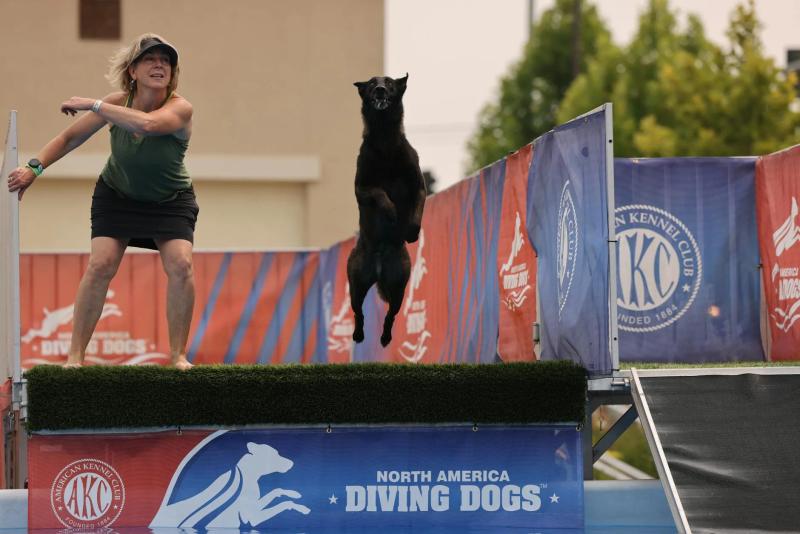
Flyball dogs are sprinters, and they can heat up fast. On warm training days, shorten the session, add proper rest and keep dogs out of parked cars. A boot with the door open is not a safe cool room unless a person is there, airflow is reliable and the dog's condition is being watched.
After a run, walk the dog down gently in shade, offer water and give them a quiet place with airflow. Do not keep throwing a ball because they are still asking. Many high-drive dogs would request another turn during a meteor strike.
Talk to your club before a hot session. Moving training earlier, reducing repetitions or cancelling is better than hoping every handler spots trouble at the same moment. The Flyball Hub equipment and safety guide has more on planning safer sessions.
Heavy panting is an early warning, especially when it does not settle with rest. Other signs can include drooling, bright red gums, vomiting, diarrhoea, weakness, confusion, poor coordination, collapse or seizures.
Heatstroke can get worse quickly. PDSA says it can cause organ damage, internal bleeding, coma and death. If you suspect it, stop exercise, move the dog into shade or a cooler room, begin cooling with water and airflow, and call a vet immediately.
Do not wait for every symptom on a list. You know what normal panting looks like for your dog. If something feels wrong, make the call.
Read the current PDSA heatstroke first-aid advice and the RSPCA hot-weather guidance for dogs before the next heatwave. Save your vet's number and the nearest out-of-hours clinic in your phone.
You do not need air conditioning or a cupboard full of cooling products. My practical home setup would be:
The fan is likely to be the biggest spend at roughly £10 to £25. A mat may add another £10 to £30. Curtains, water and a sensible routine do most of the work.
If your home stays dangerously hot despite those changes, take your dog somewhere cooler. A friend or relative's house, a safe ground-floor room or another properly ventilated space may be the right answer for the hottest hours. Comfort is nice. Safety is the point.
Close the curtains, fill two water bowls and cancel the afternoon run. Then set up airflow and give your dog a cool place to lie down. Watch the dog, not just the thermometer.
Most healthy dogs can get through a warm day at home without air conditioning when we plan ahead. The mistake is trying to preserve the normal routine in abnormal heat. Your dog will forgive a quiet day. They may even enjoy the frozen dinner.
Prices were checked in July 2026 and can change. This post contains affiliate links. If you buy through them, Flyball Hub may earn a small commission at no extra cost to you.