

•Dalton Walsh
Dog beach safety advice for sea swimming, hot sand, salt water and strong tides, with a simple packing list for safer days beside the coast.
By Dalton Walsh
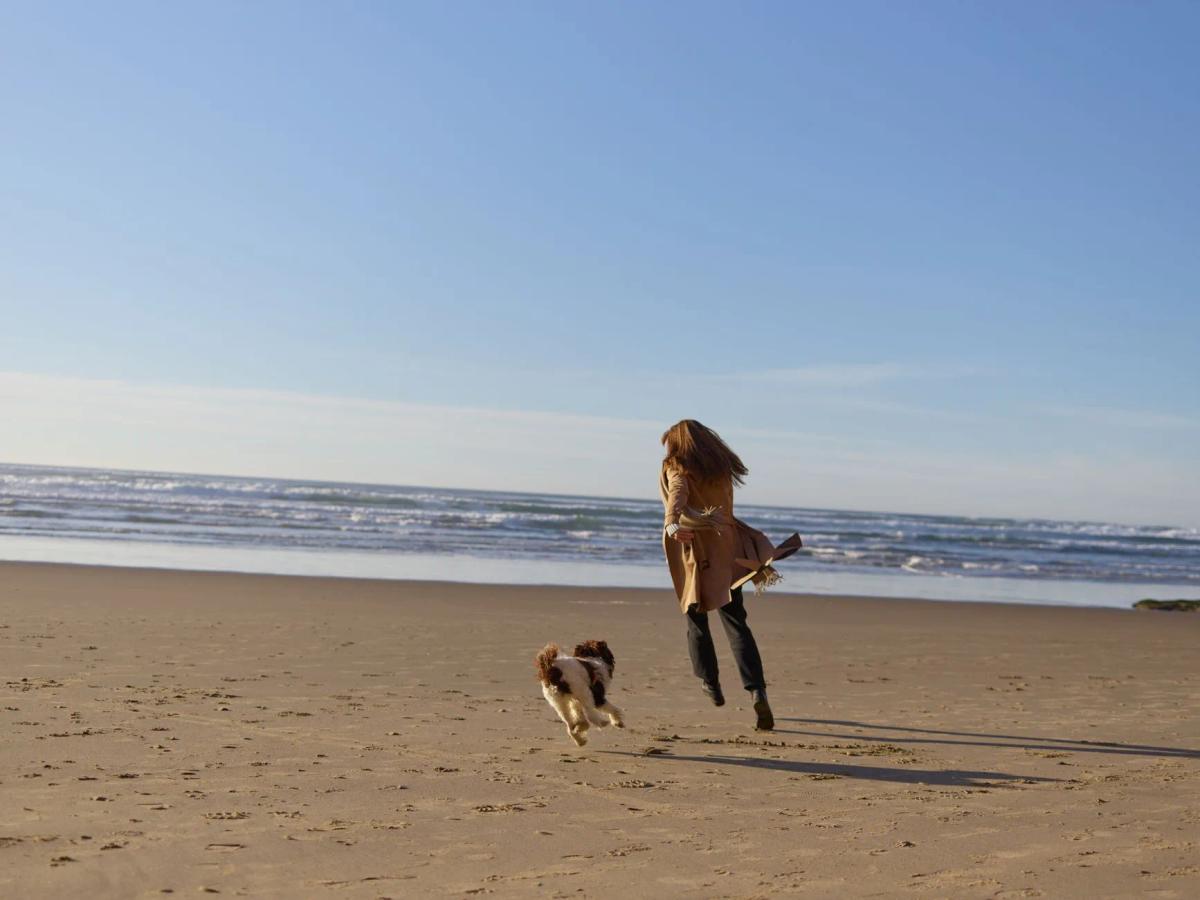
Dog beach safety starts before anyone gets near the water. Check whether dogs are allowed, look at the tide and water quality, then pack fresh water. It sounds a bit fussy for a walk on the sand, but the coast can turn a straightforward outing into a vet trip remarkably quickly.
I love taking an active dog to the beach. There is room to run, new smells everywhere and usually enough cold water to persuade even a hot dog to slow down. The snag is that a toy driven dog can keep charging into waves long after sensible judgement has left the building.
My rule is simple: check first, keep the first swim short and leave before the dog falls apart. I have never regretted packing too much water. I have regretted the one bottle that ran out halfway through rinsing sand from a dog's eyes.
Start with the local council or beach website. Many UK beaches restrict dogs during part of the year, sometimes on one section rather than the whole beach. Blue Cross notes that seasonal restrictions commonly run from around Easter to the end of September, but the dates vary, so check the actual beach rather than relying on an old list.
Check the tide as well. A wide beach at low tide can become a narrow strip with no easy exit. The BBC tide tables cover UK coastal locations, and warning boards at the beach should always win over whatever your phone said earlier.
Water quality deserves a quick look, especially after heavy rain. Blue Cross advises checking local bathing water ratings because polluted water can cause vomiting or diarrhoea. For England, the government has a bathing water quality checker. Scotland, Wales and Northern Ireland publish their own monitoring information.
I also look for cliffs, nesting birds, seals and livestock near the access path. If wildlife is present, the lead stays on. A reliable recall in a training field does not always survive a gull landing ten metres away.
Some dogs paddle naturally, while others panic, sink at the back or swallow water as they thrash. Age, body shape, coat, fitness and previous experience all matter. Being fast on a flyball lane does not make a dog a confident swimmer.
Start in calm, shallow water and let the dog choose whether to go farther. I would use a well fitted harness and a long line for a first paddle, but only with close supervision so the line cannot wrap around legs or drift into other people. Never attach a long line to a collar in water.
Waves make swimming harder than a pool or lake. They can knock a dog over, pull toys away and encourage repeated lunging through surf. Keep retrieves short, use a floating toy and stop while your dog still looks comfortable.
A dog life jacket is sensible for weak swimmers, older dogs and any dog around deeper water, boats or paddleboards. The Ruffwear Float Coat costs about £105 to £115 in the UK and has a strong grab handle. Cheaper jackets can be fine for supervised paddling, but I would check the fit, buckles and handle before trusting one in open water. Our dog life jacket guide explains what to look for.
A few accidental mouthfuls while playing are hard to avoid. Repeatedly drinking sea water is different. Blue Cross says too much salt water can cause vomiting and diarrhoea, so carry fresh water and offer it often rather than waiting until your dog is desperate.
This catches enthusiastic retrievers. They grab a wet ball, swallow some water, run back and do it again. I keep the sessions short and give the dog a fresh water break on shore. If they start actively lapping from the sea, play stops.
Call your vet if your dog becomes unwell after drinking sea water, especially if there is repeated vomiting, diarrhoea, weakness, wobbliness, unusual thirst, confusion, tremors or seizures. These signs match the saltwater poisoning advice from Calder Vets. Do not try to correct suspected salt poisoning at home by forcing a large amount of water. A vet needs to assess the dog and manage fluids safely.
A collapsible dog bowl usually costs around £5 to £12, and a two litre bottle from home is cheaper than buying tiny bottles at the beach. I pack more than I expect to use because rinsing salty eyes or a cut paw quickly empties the supply.
Sea air can make a warm day feel cooler to us, but dogs still overheat. Running on sand is hard work, shade is scarce and a wet coat does not guarantee that a dog's core temperature is safe.
Go early or late when the forecast is warm. Blue Cross suggests shade or indoor rest between 10am and 3pm on very sunny days. I would skip the beach completely during extreme heat, even if the dog loves water.
Put the back of your hand on the sand before asking your dog to walk across it. If it feels uncomfortably hot, move to wet sand, use a shaded route or leave. Pale noses and thinly furred areas can also burn, so ask your vet which dog safe sun cream suits your dog.
Heavy panting that does not settle, bright red gums, poor coordination, vomiting or collapse need urgent action. Move the dog out of the heat, start cooling with tap water and call a vet. Our dog heatstroke guide covers the signs and current first aid advice in more detail.
The sea does not need to look dramatic to be dangerous. Currents can carry a ball and then a dog away from shore. Incoming tides can cut off routes around rocks, while deep channels can sit surprisingly close to a flat beach.
Do not throw toys towards deeper water. Throw parallel to the shore or into water where the dog can still stand. If a toy drifts out, let it go. A £10 toy is not worth sending a dog after it.
If your dog gets into trouble, call for help rather than swimming after them. Cold water and current put people at risk very quickly. Alert a lifeguard where one is present or call 999 and ask for the Coastguard.
Cold water can tire a dog even on a bright day. Shivering, slowing down, a tucked posture and reluctance to continue are enough reason to stop. Dry the dog, get them out of the wind and head home if they do not warm up promptly.
I scan the sand as we walk. Broken glass, sharp shells, discarded fishing tackle and barbecue debris are all easy to miss when the dog is racing ahead. Rock pools add slippery surfaces and narrow gaps where toes can get caught.
Sticks are not safer just because they washed up naturally. Blue Cross warns that sticks can cause serious mouth injuries. Take a floating rubber toy instead, and use a well practised "leave" cue around dead fish, seaweed and food rubbish.
Jellyfish can sting dogs, even when washed ashore. Keep your dog away and contact a vet if they are stung, particularly around the face or mouth. Do not let them investigate seals or other marine animals either. Give wildlife space and put the lead on early.
A small dog first aid kit is useful for gauze, saline pods and a spare bandage. It is for getting a minor injury safely to the car or vet, not patching up a serious cut and carrying on with the day. The Flyball Hub first aid guide has a practical kit list.
My beach bag is not clever. It contains things I once left at home and ended up buying again from an expensive kiosk beside the car park.
A waterproof dog long line is usually about £10 to £25. Biothane style lines are easier to rinse than fabric webbing, though they can still tangle. Keep hold of the line and stay close enough to manage it.
After swimming, rinse salt and sand from the coat, paws and harness area. Dry inside the ears without poking anything into the ear canal. Check pads, between the toes and under straps before getting in the car.
Some dogs do not enjoy busy beaches. They may find waves frightening, struggle around off lead dogs or become frantic about balls. Keeping them on a lead beside all that activity can be more stressful than fun.
There is no prize for making a dog like the sea. A quiet woodland walk or a shaded garden session may be the better day. For dogs who need exercise without summer heat, our guide to tiring out an active dog has indoor and low impact ideas.
I leave if the beach gets too busy, the dog stops listening or I notice repeated hard panting. That is not cutting the trip short. It is ending while everyone is still safe enough to come back another day.
Before you set off, check dog restrictions, tide times and water quality. Pack fresh water, a bowl and a toy that floats. At the beach, test the sand, watch the waves and keep the first swim short.
Then watch the dog in front of you. If they are tired, cold, worried or drinking sea water, stop. The useful skill is spotting when a dog who was having fun five minutes ago has started to struggle.
Flyball Hub helps teams keep training notes, dog records and event plans in one place. If you already organise every detail of a competition weekend, use the same habit for summer outings: save the beach, tide check and kit list in your team notes so nobody arrives without water.
This post contains affiliate links. If you buy through these links, Flyball Hub may earn a small commission at no extra cost to you.