
•Dalton Walsh
Can dogs eat ice cream? Usually skip human tubs. Here are safer frozen treats, summer food rules and what I would pack for hot training days.
By Dalton Walsh
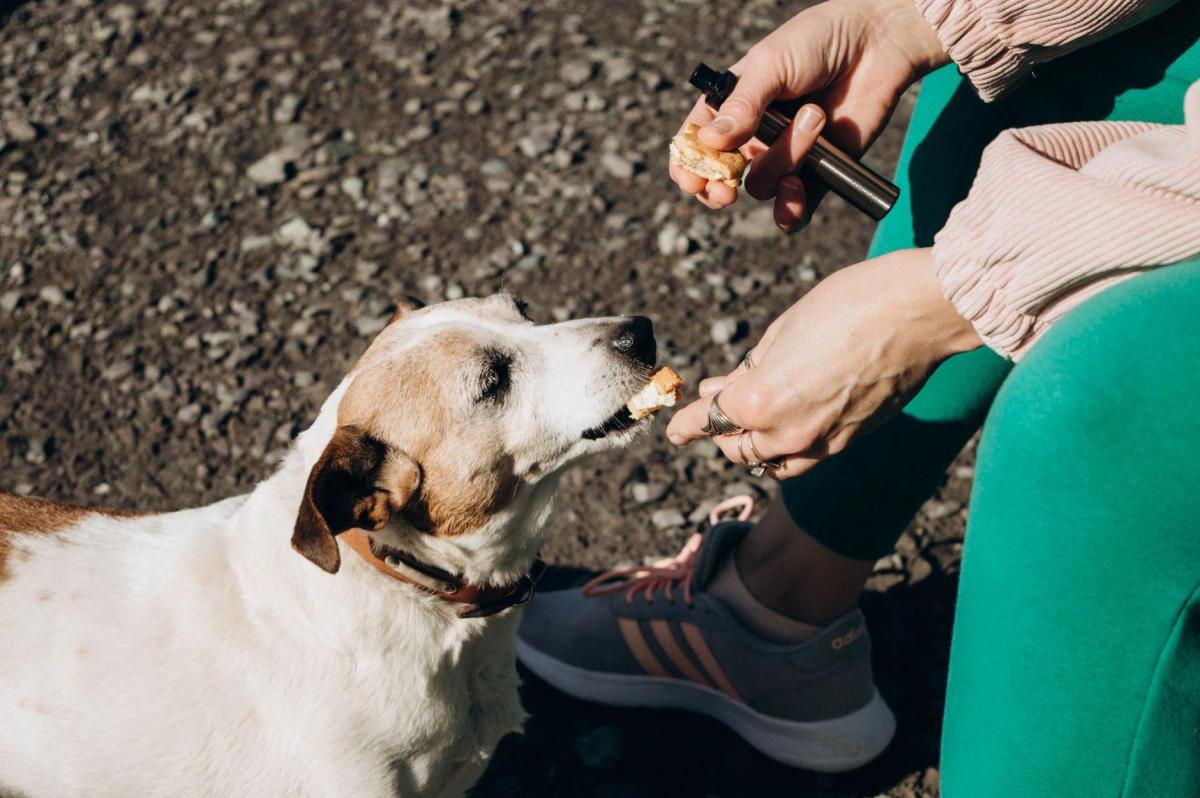
Can dogs eat ice cream? They can sometimes have a tiny lick of plain vanilla, but I would not make a habit of it. Human ice cream is made for humans, not for dogs who may react badly to dairy, fat, sugar or a sneaky ingredient you missed on the tub.
I know the scene. You are outside on a hot day, your dog is staring at your cone like you personally invented unfairness, and one little spoonful feels harmless. Sometimes it is. Sometimes you get a gassy, miserable dog and a carpet incident later.
For hot days, I would rather use dog safe frozen treats, ice cubes, fruit in tiny amounts and boring things that actually help: shade, water and rest. This is especially true for flyball dogs and busy dogs who already run warm before food even comes into it.
Can dogs eat ice cream if it is just plain vanilla? A small taste is unlikely to be a disaster for many healthy dogs, but it is not a good regular treat. Avoid chocolate, coffee, raisin, macadamia, alcohol flavours and anything sweetened with xylitol. If you are not sure what is in it, do not share it.
The safer move is a dog specific frozen treat, a small ice cube, frozen banana mashed with a little plain yoghurt, or a stuffed toy frozen in advance. I like the boring options because they are easier to control.
If your dog has pancreatitis, diabetes, allergies, a sensitive stomach, weight issues or a medical diet, ask your vet before trying new treats. Summer is not the time to test a rich food and hope for the best.

The first problem is dairy. Some dogs handle a little dairy with no fuss. Others do not. Milk and cream can mean wind, loose poo, belly pain or vomiting, which is not the relaxed summer treat anyone had in mind.
The second problem is fat. Ice cream is often rich, and rich foods can be a bad idea for dogs prone to stomach upsets or pancreatitis. That matters more than people think because a few spoonfuls for a small dog can be a lot of food.
Then there is sugar. Dogs do not need sugary treats, and extra calories creep up fast when hot weather already cuts exercise. If you have skipped the midday walk because the ground is too hot, adding a bowl of ice cream is a strange trade.
PetMD's vet reviewed advice says plain ice cream is not usually toxic in very small amounts, but it is still not recommended because of digestive upset, lactose intolerance and fat. That lines up with the common sense version: not poison, not useful.
Chocolate is the obvious one. The PDSA says chocolate contains theobromine, which dogs struggle to break down. Darker chocolate is usually more dangerous because it tends to contain more cocoa solids.
Coffee flavours are another no. Raisin and rum raisin are not worth gambling with either. Macadamia nut, alcohol based flavours and anything with chunks you cannot identify can all cause trouble.
Xylitol is the one I worry about most because it can hide in reduced sugar products. It may also appear as birch sugar. If an ice cream, frozen yoghurt or dessert says sugar free, low sugar or keto, read the label very carefully, then probably choose something else anyway.
I would also avoid sharing cones with chocolate sauce, sprinkles or biscuit bits. Even if the ice cream itself is plain, toppings often turn a small treat into a guessing game.
Dog ice cream is a better option than human ice cream because it is made with dogs in mind. It still counts as a treat, though. It is not magic health food because there is a paw print on the label.
In UK pet shops, Frozzys frozen yoghurt tubs are often around £2 each, with multipacks usually landing somewhere around £5 to £7. You will also see Scoops style dog ice cream mixes and similar tubs online. Prices move around, so I treat them as occasional extras rather than freezer staples.
If you buy dog ice cream, check the feeding guide and keep portions sensible. A small dog does not need a whole tub because the Labrador on the packet looks pleased with itself.
For most households, I think homemade frozen treats are better value. You know what went in, you can make the pieces tiny, and you can avoid turning a hot afternoon into a dairy experiment.
My favourite summer treat is embarrassingly simple: a KONG style dog toy with a little soaked kibble, mashed banana or wet food, then frozen. It lasts longer than a lick of ice cream and gives the dog something calm to do.
A dog lick mat is useful too. Smear on a thin layer of plain yoghurt, wet food, mashed banana or soaked kibble, then freeze it flat. Keep the layer thin. The point is slow licking, not a frozen dinner plate.
You can also freeze tiny pieces of carrot, apple without the core or seeds, or banana. Use small amounts. Fruit is still food, and too much can upset a stomach.
For dogs who need low fuss rewards, a few ice cubes in the water bowl can be enough. The Blue Cross advice on ice cubes says healthy dogs can have appropriately sized ice cubes on hot days, but dogs with heatstroke should not be given ice.
Healthy dogs can usually have ice cubes as a cool treat. Make them the right size for your dog, because a huge cube for a tiny dog is a choking risk. If your dog gulps things whole, use crushed ice or add a few cubes to water instead.
Ice cubes are not a treatment for heatstroke. If a dog is showing heatstroke signs, move them to shade, start cooling with cool water and contact a vet straight away. Do not stand there offering party ice from a glass.
I like ice cubes for normal warm days, not emergencies. Add a bit of low salt stock, tuna water or a few tiny treats to an ice cube tray if you want them more interesting. Keep it light, especially if your dog is training later.
Plain cooked chicken is still hard to beat. It is boring in the best way. Tiny pieces work for recall, settle training and flyball groundwork without adding a load of sugar.
Carrot sticks, cucumber slices and small bits of apple can work for some dogs. Remove apple seeds and the core. Keep pieces small enough to chew comfortably.
Watermelon can be a nice summer treat if you remove the rind and seeds. Use a few small cubes rather than a bowlful. Dogs are excellent at pretending fruit has no consequences.
Plain yoghurt can suit some dogs, but start with a teaspoon sized amount and see how their stomach handles it. If dairy has caused trouble before, skip it.
Grapes and raisins are a hard no. Chocolate is a hard no. Anything with xylitol is a hard no. Cooked bones, onion, garlic heavy leftovers and salty barbecue scraps are not summer treats either.
I would also be careful with sausages, burgers and fatty picnic leftovers. Dogs love them because dogs have terrible judgment around bins and barbecues. Rich scraps can cause vomiting, diarrhoea or worse.
Corn cobs are another one to watch at picnics and beach days. The cob can block the gut if swallowed. If your dog is a scavenger, keep barbecue rubbish sealed and boring.
For a broader safety read, the PDSA chocolate poisoning guide is worth bookmarking before summer parties start. I would rather check a source before the panic than during it.
For a flyball or dog sport day, I would not rely on treats to keep a dog cool. Food helps with settling and rewards. Cooling comes from shade, water, airflow and sensible handling.
My basic hot day bag would include a portable dog water bottle, a collapsible dog bowl, a towel I can dampen, normal training treats and one frozen lick mat or stuffed toy for crate time.
A dog cooling mat can be handy in the car setup or gazebo, though I still want shade and air moving around the dog. Cooling mats in UK shops often range from about £10 for small supermarket versions to £30 or more for larger ones.
If your dog is running, cut reps early. A frozen treat after work is not a pass to train in silly heat. The Royal Kennel Club summer cooling advice also points owners towards shade, water and watching for heatstroke signs.
Watch for vomiting, loose poo, wind, belly pain, restlessness, drooling or a dog who suddenly looks flat. If you have given a new frozen treat and your dog seems off, stop using it.
Call your vet if symptoms are severe, repeated, or your dog is very young, elderly, tiny, flat faced or already unwell. Call urgently if the food contained chocolate, xylitol, raisins, grapes or anything you cannot identify.
For mild stomach grumbles after dairy, the lesson is usually simple. That dog does not need ice cream. There are easier ways to make them happy.
I use summer treats to slow dogs down, not hype them up. A frozen lick mat in the shade is useful. A sugary human dessert handed over because the dog looks cute is mostly for us.
If you want the shortest answer, here it is: skip human ice cream, buy dog ice cream occasionally if your dog tolerates it, and make frozen treats at home when you can. Keep portions small. Keep water nearby. If the dog is hot, fix the heat first and the snack second.
For active dogs, I would pair this with walking your dog in hot weather, dog heatstroke signs and what to do and best dog cooling products. The treat is the fun bit. The boring safety plan is what keeps the day from going wrong.