•Dalton Walsh
Find the best dog sport for reactive dogs, from scentwork to hoopers, with honest notes on class setup, safety kit and when flyball may work.
By Dalton Walsh
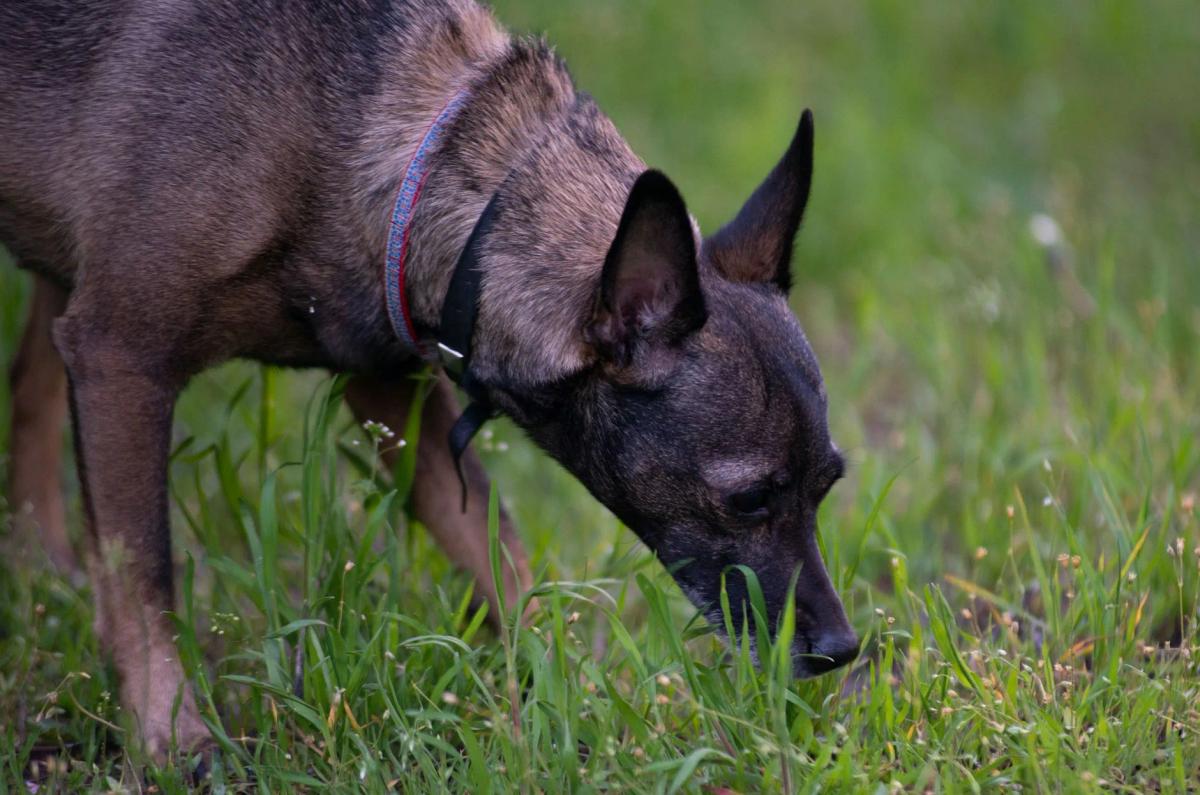
The best dog sport for reactive dogs is usually scentwork. Dogs work one at a time, you can train at home, and a good class can keep arrivals and exits well apart. Hoopers, rally and solo tracking can also work, depending on what sets your dog off.
I would not choose by asking which sport burns the most energy. I would choose the setup your dog can handle without spending the whole session staring, barking or trying to leave. A quiet car park and a thoughtful instructor matter more than a smart venue full of kit.
This guide is for dogs who react to other dogs or unfamiliar people. If your dog has bitten, redirected onto a handler or cannot recover after seeing a trigger, speak to your vet and a qualified clinical animal behaviourist before joining a group class. The Association of Pet Behaviour Counsellors directory is a useful UK starting point.
Look at the waiting area first. Most sport classes only give each dog a few minutes of active work, so the harder part is often the time between turns. Ask whether dogs wait in cars, behind screens or in separate areas. A class where six dogs sit around the edge of a hall may be miserable even if the exercise itself is gentle.
Distance matters too. Your dog should be able to notice another dog without tipping into a full reaction. That distance may be five metres on a good day and fifty on a bad one. A decent instructor will believe you rather than trying to "socialise" the problem away.
The sport should also give the dog a clear job. Sniffing for a hidden scent or following a short hoopers line is easier to understand than simply asking for calm while another dog works nearby. I have seen dogs settle once the task makes sense. I have also seen handlers stay too long because they badly wanted a sport to fit. Leaving early is often the sensible call.
Before booking, ask these questions:
The answers tell you far more than the club's photos.
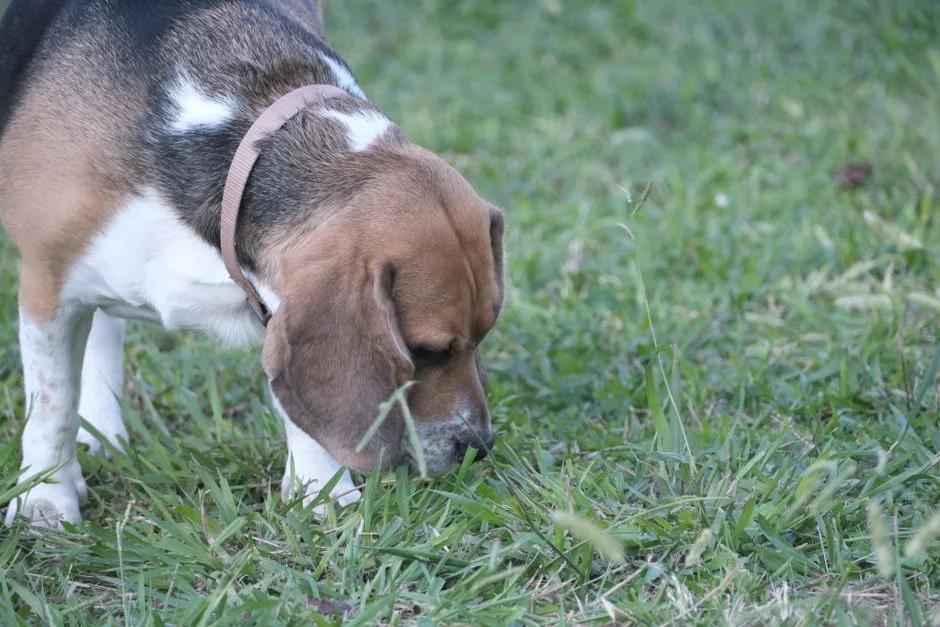
Scentwork gives a reactive dog something productive to do with their nose. Early sessions may involve finding food or a toy in boxes. Formal classes later teach the dog to search for a set scent in containers, rooms, vehicles or outdoor areas.
Control is what makes scentwork my pick for the best dog sport for reactive dogs. Dogs normally search one at a time, and you can practise in your living room without meeting anyone. Scentwork UK lists trainers and trials, but you do not need competition plans to get the benefit from the work.
Start with cardboard boxes and part of your dog's daily food. Put food in one box, leave a few boxes empty, then let the dog work it out. Avoid pointing at the answer. Watching a dog solve the search is half the fun, and it teaches the handler to stop interfering.
A basic home setup can cost almost nothing. If you want tidier kit, a scentwork starter kit is often around £15 to £30, while a snuffle mat usually sits around £10 to £25. Those prices move, so check the current listing before buying.
Scentwork is still possible for dogs who react to people, but tell the instructor before you arrive. A stranger leaning over boxes or stepping into the search area can be harder than the scent game itself.
Hoopers courses use low hoops, barrels and short tunnels rather than jumps. The handler sends the dog around the course with cues, which makes the sport less physically demanding than agility for many teams. Canine Hoopers UK has an instructor directory if you want to find a class.
For a reactive dog, the appeal is the one-dog-at-a-time course. You can also practise a few foundation skills in a garden. The snag is waiting. Some classes keep every dog in the same field, and that can undo all the calm work before your turn begins.
Ask for a private taster or a class that uses cars as waiting spaces. Keep the first goal small: walk through one hoop, turn around a barrel, then finish. A full course is not the target on week one.
Cheap hoop sets exist, but I would not buy a full garden course before trying a class. A couple of cones and a safe open arch are enough for early direction cues. Never use a rigid ring that a dog could catch a leg on.
Rally asks the handler and dog to move around a signed course, completing short exercises such as turns, stops and changes of pace. The dog stays connected to the handler rather than racing away to equipment. The Kennel Club rally guide explains the UK activity and how competitions work.
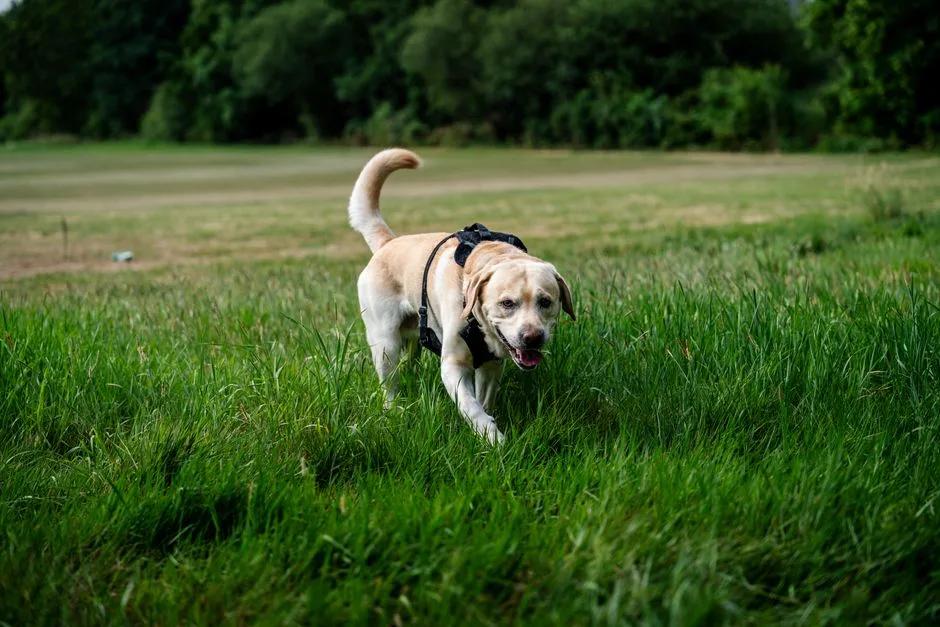
This can suit a dog who finds movement easier than standing still. You always have a job to do, and most foundation exercises fit in a small space. It can also sharpen the communication you use on ordinary walks.
The class layout is the risk. Rally clubs sometimes have several dogs working in the ring at once. That is fine for some dogs and impossible for others. Ask whether you can work alone, use the far end of the hall or book a private session.
You need very little kit. A treat pouch, ordinary lead and comfortable harness will do. The Ruffwear Front Range harness was £49.95 on the UK site when checked on 23 July 2026. That is a decent everyday option, though the correct fit matters more than the logo. A cheaper Y-shaped harness can work just as well if it allows free shoulder movement.
Tracking asks a dog to follow a human scent trail laid across the ground. It is slow, methodical work compared with flyball or agility, and sessions can take place in quiet fields away from a busy class line.
That space is the reason I like it for some reactive dogs. The dog has a clear route, the handler follows on a long line, and there is no need for face-to-face greetings. Dogs who become frustrated when held back may need a careful introduction, since the line itself can add tension.
Use a properly fitted harness and a 10 metre tracking line. Keep the line away from bare hands when the dog is moving quickly, and do not wrap it around your wrist. Gloves are worth having in wet weather.
A one-to-one lesson is useful because line handling looks simple until the first knot forms around your ankle. After that, short food tracks on quiet ground are easy to repeat at home.
Some dogs handle other dogs better when everyone is travelling in the same direction. Canicross can suit those dogs because the task is to run forward in harness rather than stop for greetings. It is a poor choice for a dog who redirects when frustrated or lunges hard enough to pull the handler over.
Start alone, not in a crowded race. A canicross coach can check the pulling harness, line and belt before you build distance. Our canicross beginner's guide covers the basic setup.
Do not run a dog in a standard walking harness just because it has a back clip. Pulling harnesses are shaped for the job. I would also skip summer daytime sessions and build fitness gradually on softer ground.
Yes, some can. Flyball dogs work in short bursts, and many clubs have dogs wait in cars or covered crates between runs. The routine can help dogs who like predictable work. A ball-mad dog may focus so hard on the lane that nearby dogs become less important.
The sport is also loud. Dogs bark, balls fire from boxes, handlers shout, and two teams race side by side. Changeovers bring dogs towards each other at speed. That mix is too much for many reactive dogs, especially dogs who struggle with fast movement or barrier frustration.
If you want to try, be honest with the club before turning up. Ask to visit without your dog, watch where dogs wait and check whether the team can offer a quiet one-to-one session. Our guide to muzzles for reactive dogs may help with safety planning, but a muzzle does not make a crowded training hall suitable.
Use the Flyball Hub team finder to find nearby clubs. A good team will care more about keeping every dog comfortable than rushing yours onto a lane.
Busy agility classes can be hard because dogs run fast near the edge of the ring. Disc dog sessions may trigger dogs who fixate on movement. Group obedience classes can be even tougher if the format expects dogs to lie still in a row while other dogs pass close by.
That does not make any sport automatically wrong. The venue, instructor and class size change the answer. A private agility lesson in a fenced field may be easier than a cramped indoor scentwork class with dogs beside the entrance.
Dog parks are not a sport and they are not a test your dog needs to pass. I would not use uncontrolled greetings to prepare for a class. Work under threshold, give the dog room and choose planned sessions instead.
A well fitted basket muzzle can add a safety margin for dogs with bite risk. It must allow a full pant, drinking and treats. The Muzzle Movement's made-to-order models were listed from about £46 to £59 when checked on 23 July 2026. Measure first and train the muzzle slowly at home.
A secure harness and backup connection can help dogs who slip collars. The backup should not tighten or tangle when the dog moves. High value food, water and a visual screen for the car are more useful than buying a boot full of sport gadgets.
Tell the instructor what the dog does, not only that the dog is "reactive". "She barks and lunges at dogs within ten metres, then needs five minutes to recover" gives someone useful information. "He can be funny" does not.
Book one private session if you can afford it. Let the instructor see the dog at a safe distance, then agree on a simple first exercise. Stop while the dog is still thinking and taking food.
After the session, look at recovery. Did your dog settle in the car? Could they eat and sleep normally later? Were they still scanning and pacing at home? A sport that produces two days of stress is not helping, however impressive the ten minutes of work looked.
Try the same setup a few times before deciding. New places are hard. If the dog becomes more comfortable, you may have found a good outlet. If each visit gets harder, change the setup or choose another activity.
There is no prize for picking the loudest or fastest sport. For most handlers looking for the best dog sport for reactive dogs, scentwork is the safest place to begin. Pick the activity that leaves your dog pleasantly tired, able to recover and willing to come back next week.
This post contains affiliate links. If you buy through them, Flyball Hub may earn a commission at no extra cost to you.