•Dalton Walsh
Your collie ran 5 miles and is still bouncing off walls. The truth? More walking makes them fitter, not tired. Learn what actually works.
By Dalton Walsh
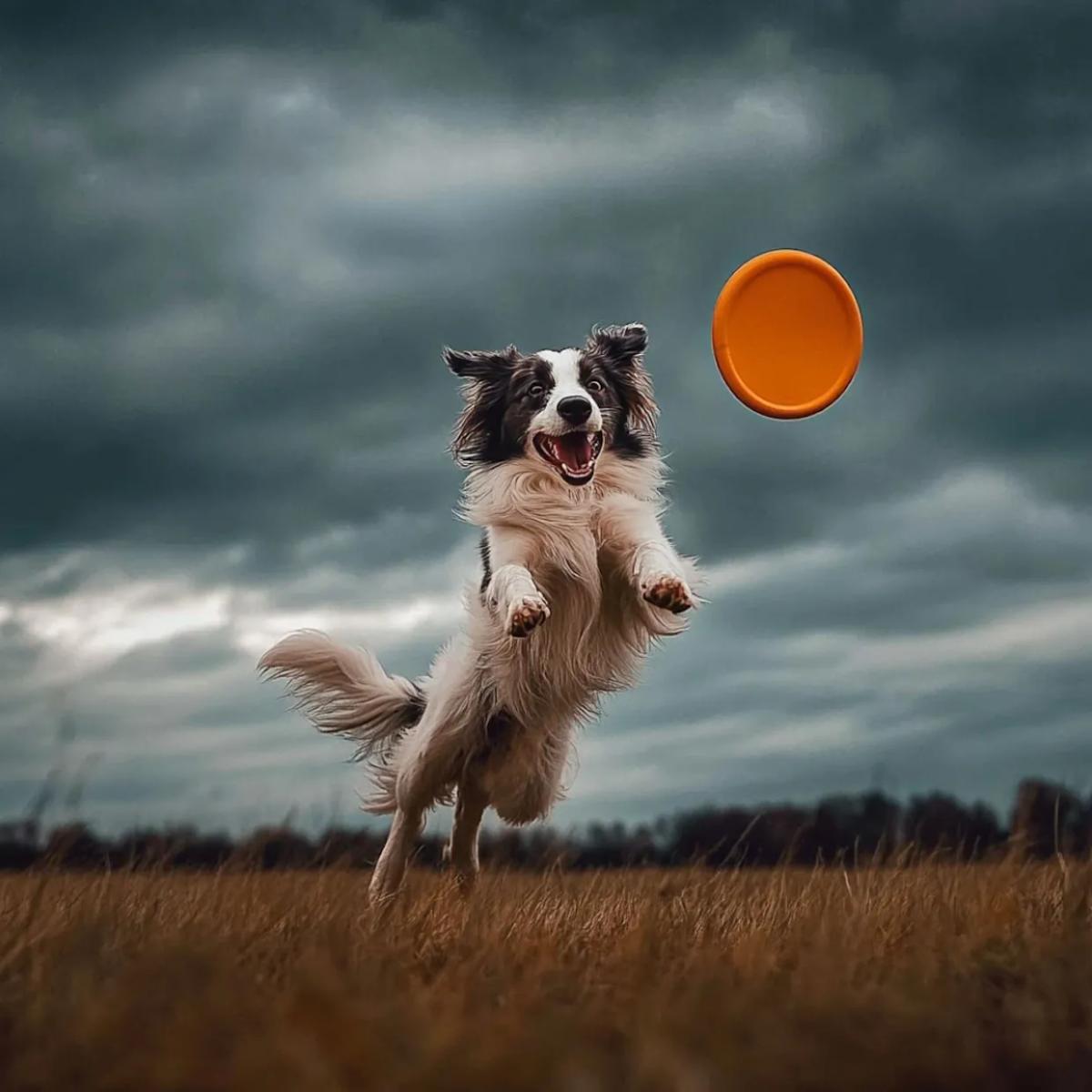
Your Border Collie just did a five-mile hike. They should be knackered. Instead, they're doing laps of the living room, eyes fixed on you, willing you to throw something. Anything.
Sound familiar?
Here's the uncomfortable truth that most "Border Collie exercise guides" won't tell you: you can't out-walk a collie. The more physical exercise you give them, the fitter they get. The fitter they get, the more they need. You're on a treadmill, and your collie is winning.
The answer isn't more miles. It's working their brain.
Border Collies were bred to work sheep all day on the Welsh hills. Their ancestors covered 50+ miles daily, making instant decisions, reading flock behaviour, problem-solving on the move. They weren't just running. They were thinking.
When you walk your collie for two hours, you're only using half of what they're built for. The physical bit gets a workout. The mental bit stays bored. And a bored collie is a collie that eats skirting boards.
I've seen this pattern dozens of times with new flyball handlers. "My collie gets loads of exercise," they'll say, while listing off the miles. Then they start training, their dog gets 20 minutes of focused work, and suddenly sleeps through the evening for the first time in months.
The difference? Mental load.
A 20-minute training session can tire a Border Collie more than a two-hour walk.
This isn't wishful thinking. It's how collie brains work. Processing new information, making decisions, staying focused on a task - these things burn energy that walking doesn't touch.
Think about your own experience. An hour in the gym is tiring. An hour of intense concentration on a difficult problem is exhausting. Same thing.
This doesn't mean collies don't need physical exercise. They do. But if your collie is wired after a long walk, the solution isn't a longer walk. It's adding mental work. Our guide to how to tire out your dog when walks are not enough covers the best mental activities.
The sweet spot for most collies is:
Get this balance right and your collie actually switches off. Get it wrong and no amount of walking will help.
Your collie's brain is wired for specific types of work. Herding isn't just running - it's anticipation, pattern recognition, split-second decisions. The best activities replicate these mental demands.
Any training that requires your collie to think works well. Not just drilling commands they already know, but learning new things, sequencing behaviours, problem-solving.
Shaping games are brilliant for this - you let them figure out what you want through trial and error. Trick training works too. So does teaching them to identify toys by name (harder than it sounds).
The key is novelty. Collies learn fast, so once they've mastered something, it becomes easy. Keep introducing new challenges.
Don't waste mealtimes on a boring bowl. Make your collie work for their food.
Scatter feeding on grass makes them use their nose - genuinely tiring for any dog. Puzzle feeders add problem-solving. Frozen Kongs extend the effort. Snuffle mats replicate foraging behaviour and can keep even the most driven collie occupied for 10-15 minutes.
A collie who has to work for breakfast is a calmer collie by mid-morning.
Massively underrated for high-drive collies. Scentwork requires intense concentration - processing scent information, deciding where to search, filtering out distractions.
You can start basic at home: hide treats, progress to hiding a specific toy, eventually work with proper scentwork scents. A scentwork starter kit gives you everything you need to begin. Many collies become completely obsessed with it.
Ten minutes of focused searching can drain more energy than an hour of walking. That's the thing about nose work - the exhaustion-to-effort ratio is mad.
Not just throwing a ball until they're panting (that's just cardio). Structured play adds rules that require focus.
Wait, mark, release patterns. Directional retrieves where you send them to specific spots. Tug with rules - start, stop, drop on cue. Two-ball games where they swap ball for ball.
A good bungee tug toy is brilliant for this. The stretch absorbs impact on your arm while rewarding your collie's drive.
The structure is what makes it tiring. Unstructured ball-chasing is fun but doesn't engage the thinking parts of the brain.
This is where it clicks for most collies. Dog sports combine physical exercise with mental challenge, and they give your collie something to actually do. Check out our guide to dog sports for high-energy dogs for the full rundown.
I'm biased, but flyball is brilliant for collies. Fast, technical, requires precision. The box turn alone takes months to train properly. Your collie has to work alongside other dogs, respond to start signals, ignore distractions, hit the box at the right angle, catch the ball cleanly.
A flyball training session leaves most collies genuinely tired - something many owners have never seen.
The team aspect adds another layer. Collies learn to read their handlers, anticipate passes, understand their role in the squad. It's the closest thing to actual herding work most pet collies will experience. Border Collies are the most common breed in flyball - see our guide to dog breeds for flyball for why.
The classic choice for collies, and for good reason. Agility requires handler focus, obstacle memory, quick reactions. Your collie reads your body language, chooses between obstacles, executes at speed.
A well-run agility course is physically demanding, but the mental concentration is what really drains the battery. That's why you see dogs crash out in the car after a competition.
Similar to agility but without the high-impact jumping. Hoopers courses flow at ground level, and you direct your dog from a distance using hand signals and verbal cues.
For collies, the distance handling is the challenge. They have to maintain focus on you while navigating the course independently. Proper brain work with minimal joint stress.
Running with your collie attached via harness and line. The pulling work gives them a job, and covering distance at speed suits their athletic build.
Canicross is more physical than the other sports, but there's still a mental component - learning to work with you, pacing, navigating trails. And the runs are usually shorter but more intense than regular walks.
If you can access sheep or ducks, actual herding work is obviously the ideal outlet. Your collie is literally doing what they were bred for.
Herding trials exist across the UK. Even a few sessions can give you insights into your collie's instincts - and they'll be absolutely shattered afterwards.
What works for an adult collie doesn't work for a puppy, and a senior collie has different needs again.
Less is more with physical exercise. Growth plates are still forming, and too much impact can cause joint problems later. The old rule of "5 minutes per month of age, twice daily" is a reasonable starting point.
But mental work? Load it on. Puppy brains are sponges. Training, socialisation, enrichment, problem-solving - none of this stresses joints, and all of it builds a collie who knows how to switch off.
Foundation training for dog sports can start early. Flatwork for agility, restrained recalls for flyball, basic scentwork games. Just nothing that involves jumping or tight turns until they're physically mature. Read more in our guide on when puppies can start flyball.
Peak years for physical activity. Your collie can handle substantial exercise - but that doesn't mean they should get only physical exercise.
The mental work component is still essential. An adult collie who gets two hours of walks but no training or enrichment will still be wired. Balance is the goal.
If you're doing dog sports, training counts toward mental work. But non-sport collies need that stimulation from somewhere else.
Physical abilities decline, but the brain stays sharp. Senior collies often need more mental work as physical exercise decreases.
Scentwork is particularly good for older dogs - low impact, high engagement. Trick training keeps their minds active. Enrichment feeding becomes even more valuable.
Watch for stiffness and adjust. Shorter walks, gentler play, but keep the mental challenges coming.
Under-exercised collies don't just lie around looking sad. They create their own entertainment.
Common signs of insufficient stimulation:
These aren't character flaws. They're symptoms. A collie with the right balance of physical and mental exercise rarely shows these behaviours.
If you're seeing these problems, adding a long walk won't help. Adding mental work usually does.
The right kit makes mental work easier:
Product Best For Price Range Snuffle Mat Slowing down mealtimes, nose work £12-25 Puzzle Feeder Problem-solving at mealtimes £8-20 Bungee Tug Toy Structured play, drive building £8-15 Scentwork Kit Getting started with scentwork £15-30 Garden Agility Set Home practice, confidence building £40-80
You don't need all of this to start. A snuffle mat and a tug toy go a long way. Add the rest as you find what your collie enjoys most.
How many hours of exercise does a Border Collie need?
Most adult collies need 1-2 hours of physical exercise daily, plus 30-60 minutes of mental work (training, enrichment, puzzle solving). The mental bit is more important than most people realise - you can't compensate for lack of brain work by adding more walks.
Can you over-exercise a Border Collie?
Yes. Building an ultra-fit collie who needs four hours of activity daily to feel tired is a real trap. Focus on mental exhaustion rather than just physical fitness. A tired brain settles down; a fit body just needs more exercise.
Why is my Border Collie still hyper after a long walk?
Because physical exercise doesn't touch mental energy. Walking makes your collie fitter but doesn't tire their brain. Add training sessions, enrichment feeding, or structured games to address the mental side.
What's the best exercise for a Border Collie?
Anything that combines physical activity with mental challenge. Dog sports (flyball, agility, hoopers) are ideal. Training games, scentwork, and structured play also work well. Pure physical exercise like running or fetch is fine, but not sufficient on its own.
How do I tire out my Border Collie?
Work their brain, not just their legs. A 20-minute training session can tire a collie more than a 2-hour walk. Combine moderate physical exercise with multiple short mental work sessions throughout the day.
At what age do Border Collies calm down?
There's no magic age. Some collies mellow around 5-7 years, others stay intense into old age. A collie who learns to switch off through proper mental work is calmer at any age than one who only gets physical exercise.
Every collie is different. Some need more physical exercise, some need more mental work. Watch your dog:
The goal isn't exhaustion. It's satisfaction. A collie who's done meaningful work is a collie who can relax.
Dog sports might be the answer. They combine everything collies need - physical work, mental challenge, a sense of purpose.
Flyball is particularly good for ball-obsessed collies. The training itself provides mental work, and the sport gives them something to focus that collie intensity on.
Find a flyball team near you or read our guide to dog sports for high-energy dogs to explore your options.
Your collie doesn't need more walks. They need a job. Time to give them one.
This post contains affiliate links. If you purchase through these links, we may earn a small commission at no extra cost to you. This helps support Flyball Hub.