
•Dalton Walsh
Dog scared of fireworks? Practical tips to help your dog cope with bonfire night and New Year, from preparation to on-the-night strategies and calming products.
By Dalton Walsh
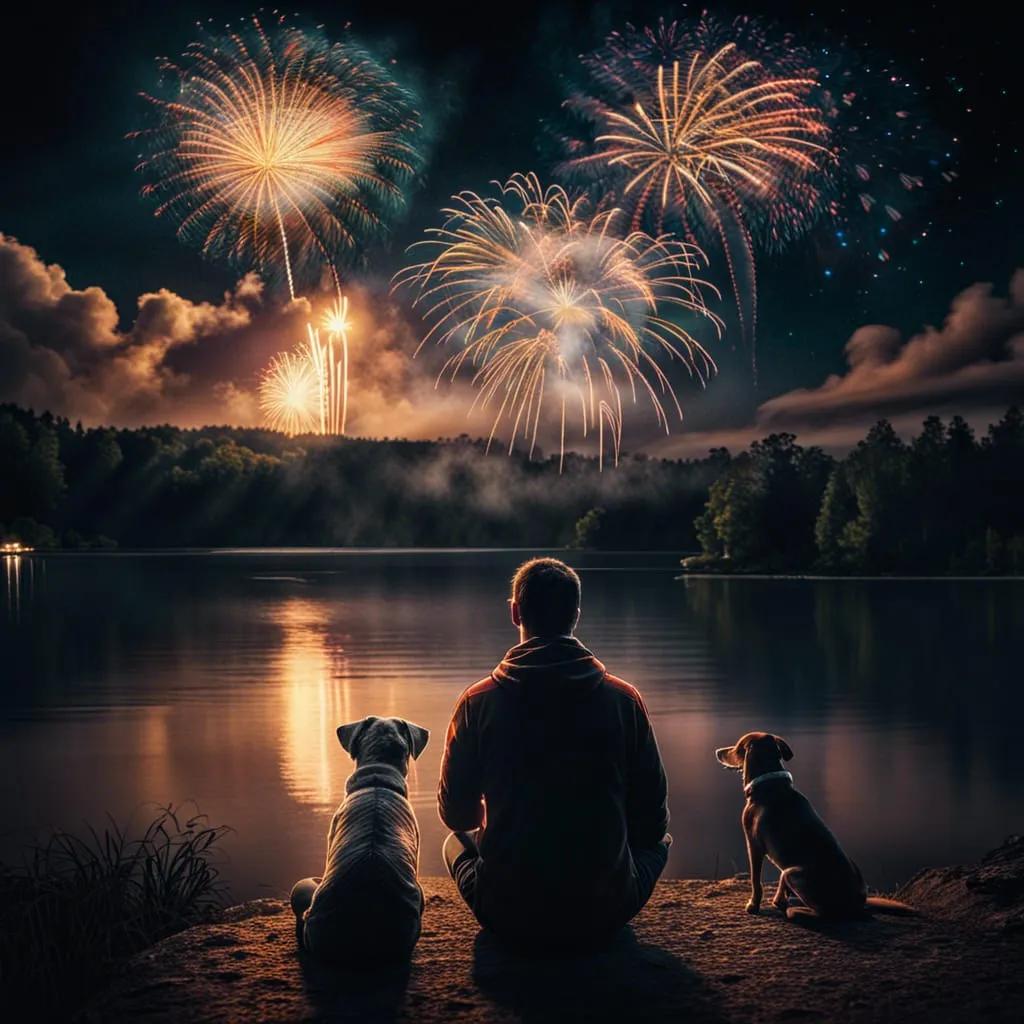
Fireworks might be pretty to us, but for dogs they're a nightmare. That sudden bang, the unpredictable timing, the flashes of light - it's the kind of thing their instincts tell them to run from. And if your dog is one of the many that cowers, shakes, or tries to bolt during fireworks season, you know how hard it is to watch.
The good news? You can make a real difference. Not by eliminating the fear entirely (that's unrealistic for most dogs), but by reducing their stress levels enough that they can cope. Some dogs even learn to barely notice fireworks with the right approach.
Here's how to help your dog through bonfire night, New Year, and any other time the sky decides to explode.
Before we get into solutions, it helps to understand what's actually happening.
Dogs hear roughly four times better than we do. That firework bang that makes you jump? To your dog, it's far louder and more alarming. They can't understand what's causing it or when the next one will come. No wonder they panic.
It's not just the sound either. The flashes of light, the vibrations through the ground, even the smell of gunpowder - dogs pick up on all of it. Their instinct says "danger" and they respond accordingly.
Some dogs shake and hide. Others pace and pant. A few try to escape, which is why more dogs go missing on bonfire night than almost any other day of the year. Knowing your dog's particular response helps you plan the right support.
The best time to prepare for fireworks season isn't bonfire night itself - it's several weeks earlier. Mid-September is ideal for starting your prep.
Dogs instinctively seek out enclosed spaces when scared. Give them somewhere to go.
This could be:
The key is making it cosy and available now, before the fireworks start. Let your dog explore it, put treats in there, maybe feed them there occasionally. You want them to associate this space with safety and comfort, not just use it as a last resort on the night.
Add familiar smells - an old t-shirt you've worn, their favourite blanket. The familiar scents help them feel secure.
This is the gold standard for firework fear, but it takes time - weeks or months, not days.
The process is simple in theory: play firework sounds at very low volume while your dog is relaxed, gradually increasing the volume over time as they learn to ignore it.
Start with the volume barely audible. Watch your dog. If they're relaxed, great. If they show any sign of stress (ears back, lip licking, freezing), you've gone too loud too fast. Turn it down.
There are dedicated apps and playlists for this. "Sounds Scary" from Dogs Trust is free and designed specifically for firework desensitisation.
You're teaching them that the sound doesn't predict anything scary - not blasting them with loud bangs. Pair the quiet sounds with treats or play. Build positive associations over time.
Fair warning: this doesn't work for every dog, and it won't help if you start three days before bonfire night. It's a long-term project. But for dogs with severe firework phobia, it's worth the investment.
Prep work done, fireworks imminent. Here's your game plan.
Take your dog for a good walk while it's still light and quiet. A tired dog copes better than a wound-up one. Make sure they've had a chance to toilet - you don't want them needing to go outside when fireworks are in full swing.
Feed them earlier than usual. Some dogs refuse to eat when stressed, so getting food into them while they're still calm helps.
Close all windows, curtains, and blinds. This blocks some of the light flashes and muffles sound slightly. If you have shutters, use them.
Put on background noise. The TV, radio, or music at a moderate volume helps mask the sharp edges of the bangs. Classical music or audiobooks work well - something with consistent sound rather than dramatic peaks and silences.
Stay calm yourself. Dogs pick up on our emotions more than we realise. If you're tense and anxious about how they'll react, they'll sense it. Act normally. If you're calm, you're showing them there's nothing to worry about.
Should you comfort them? This is where advice has changed. The old thinking was that comforting a scared dog "reinforces the fear." That's been largely debunked. If your dog comes to you for reassurance, give it. Your calm presence and gentle stroking do help.
What doesn't help is dramatic cooing and fussing, which can actually communicate "yes, this IS scary!" Aim for matter-of-fact comfort. "You're alright" in a normal tone, not "Oh my poor baby!" in a worried one.
Let them go to their safe space if they want to. Don't drag them out to "face their fears." But don't shut them away from you either - let them choose.
For dogs that aren't completely shut down with fear, distraction helps more than you'd expect.
A stuffed Kong or long-lasting chew gives them something to focus on. Puzzle feeders work too. Licking and chewing seem to settle dogs down - it's like the physical action takes the edge off.
If your dog will still engage with you, simple training exercises or games can redirect their brain from "panic" to "task." This works better with mild fear than severe phobia.
There's no shortage of products claiming to calm anxious dogs. Some work, some don't, and what works varies between dogs.
Adaptil is the big name here. It releases a synthetic version of the pheromone mother dogs produce to calm their puppies. Available as plug-in diffusers, sprays, and collars.
Does it work? Research is mixed, but plenty of dog owners swear by it. Start the diffuser a week or two before fireworks season for best results - it needs time to build up in the room.
The spray version is handy for the safe space - give bedding a spritz before the fireworks start.
Anxiety wraps apply gentle, constant pressure around your dog's body. Think of it like a constant hug. Some dogs find this incredibly calming.
The Thundershirt is the most popular brand, but there are alternatives. Put it on your dog 20-30 minutes before the fireworks start, not when they're already panicking. You want them calm when it goes on.
Not every dog likes the sensation, so test it before the big night.
Natural calming supplements typically contain ingredients like:
Calming treats and supplements can take the edge off mild to moderate anxiety. Give them an hour or so before the fireworks - they need time to work.
These aren't sedatives. They won't knock your dog out or solve severe phobia. Think of them as taking a slightly stressed dog down a notch, not transforming a terrified one.
For severely affected dogs, prescription medication from your vet may be the kindest option. This isn't about drugging your dog into oblivion - modern anti-anxiety medications help them feel calmer without completely zonking them out.
If your dog's firework fear is severe enough that they hurt themselves, refuse to eat for days, or try to escape to the point of injury, talk to your vet. There's no shame in medical support when it's genuinely needed.
The evening's over, but your dog might still be wound up. Here's how to help them reset.
Before letting your dog out the next morning, walk around the garden yourself. Firework debris can be dangerous - shards of casing, leftover chemicals, burnt material. Dogs will investigate and potentially eat anything that smells interesting.
Get back into your regular routine as quickly as possible. Dogs thrive on predictability, and returning to normal signals that the scary time is over.
If your dog was particularly stressed, they might be tired or off their food for a day or two. That's normal. Give them quiet time to recover.
Write down what worked and what didn't while it's fresh in your mind. Next year you'll thank yourself for the reminder of which calming products helped, whether the safe space worked, and what time the worst of the fireworks happened.
If you're reading this on Flyball Hub, chances are you have an active, driven dog. A few extra considerations:
High-energy dogs need extra exercise - Make sure they get a really good workout during the day. A tired dog copes better.
Familiar routines help - If your dog does flyball training, stick to the usual schedule as much as possible. Routine is comforting.
Watch for generalised fear - Some dogs that develop severe firework fear start becoming anxious in other situations too. If you notice your dog becoming jumpy at flyball (reacting to the box bang, for example), address it before it becomes a bigger issue.
Recovery time matters - If bonfire night was rough, give your dog a day off training. They need time to decompress.
Most dogs can be helped with the strategies above. But some need more.
Consider seeing your vet or a qualified behaviourist if:
A veterinary behaviourist can create a proper desensitisation programme and discuss whether medication might help. Your vet can also rule out any underlying health issues that might be making anxiety worse.
Why is my dog suddenly scared of fireworks when they weren't before?
Fear can develop at any age, often after a particularly scary experience. A single bad fright can create a lasting phobia. It's also possible they were always slightly uncomfortable but you didn't notice the early signs. Either way, the approach is the same - reduce stress and build positive associations.
Should I stay home with my dog on bonfire night?
If your dog has significant firework fear, yes. Being alone makes everything worse for an anxious dog. If you absolutely can't be there, ask a trusted friend or family member to stay with them, or consider a pet sitter who understands anxious dogs.
Do firework-proof events exist?
Some areas now have "quiet fireworks" (lower noise, no loud bangs) or silent laser shows. These are much better for dogs. Worth checking if there's one near you as an alternative to traditional displays.
My dog tries to bolt - how do I keep them safe?
Make sure all doors and windows are secure before fireworks start. Check fences for gaps. When letting them out for toilet breaks, use a lead even in an enclosed garden. Make sure their microchip details are up to date, and consider a GPS collar during fireworks season.
Will my dog ever get over firework fear?
Many dogs can improve significantly with desensitisation and the right support. Some never fully lose their fear but learn to cope much better. A few remain severely affected despite intervention. The earlier you start working on it, the better the outcome usually is.
Firework season is stressful, but you can make it easier for your dog.
Your dog doesn't have to suffer through fireworks. With preparation and the right approach, you can turn bonfire night from a nightmare into something they can handle.
This post contains affiliate links. If you purchase through these links, we may earn a small commission at no extra cost to you. This helps support Flyball Hub.