•Dalton Walsh
BFA Championships 2026 results: the verified Division 19 table from Uttoxeter, plus practical club debrief lessons for the next training session.
By Dalton Walsh
BFA Championships 2026 results currently published include a Division 19 table. The event ran from Thursday 6 to Sunday 9 August at Uttoxeter Racecourse, Wood Lane, ST14 8BD. It was an Open-class tournament on grass, hosted by The BFA Committee, according to the official tournament page.
This article records only the result table currently published for Division 19. It is not a complete championship recap, and it does not claim winners, team numbers or results from any other division.
It is how clubs avoid turning a partial online table into a story that somebody later has to correct. If you want the pre-event background, our Uttoxeter guide has the confirmed venue and format details, while the last-minute guide covers the practical race-weekend prep.
A championship can be a good prompt for a club debrief, but only if the discussion stays focused on your own club's routine.
The official BFA results page now exposes a table for Division 19. The BFA labels its last column Fastest Time, and the values below are preserved exactly as published.
| Place | Team | Fastest Time |
|---|---|---|
| 1 | Wash Warriors Aztec | 19:44 |
| 2 | Pounding Herts | 19:31 |
| 3 | Carnegie Chaos | 19:47 |
| 4 | Honey Monsters | 18:87 |
| 5 | Notts Supasonics | 19:37 |
| 6 | Hatfield Hijakers | 18:85 |
Congratulations to the teams listed in that Division 19 table. The page gives the fields reproduced in the table, and no more needs to be read into them here.
Division 19 is one division, not a shortcut to a complete account of the BFA Championships 2026. The official tournament listing confirms the event; the results page is the source for this specific table.
A results table is a record. It is not a race report. It tells us the BFA has published these six Division 19 entries with those fields and values. It cannot explain every race, why a decision was made, or what another club can usefully copy.
That matters because flyball people are naturally curious. We want to know which dog had a brilliant day, which changeover settled down, and what a captain said when a plan stopped working. Unless those details are published by a reliable source, they belong in private team conversations rather than public reporting.
It also keeps congratulations clean. Each club has its own story behind a result, and a short official table cannot carry all of it. Better to name the published record accurately than attach invented colour to somebody else's weekend.
For newer readers, what flyball is explains the basic relay and its box-turn and changeover rhythm. It is useful context for following any tournament without pretending that general knowledge reveals what happened in a particular division.
The same rule applies when your own club gets home. A final place or a fast time can start a conversation, but neither is a diagnosis. The learning comes from the notes and decisions your team can actually stand behind.
I prefer to give people enough time to get home and rest before unpacking, then hold a short debrief before the next training night. Not a grand review with every person trying to recall every run. Twenty focused minutes can be enough if somebody has written down the main points.
Ask each handler for one thing that felt repeatable and one moment that felt harder than it should have. Keep the wording factual: the dog needed longer to settle, the warm-up was rushed, the handler could not hear the call, or the reward routine was awkward. Those are things a club can test.
This is debrief advice, not an observation about any team named in the Division 19 results. Their table cannot tell us how they prepared. It can remind every other club that a result is more useful when it leads to one specific note rather than a vague promise to try harder.
Give the person taking notes a simple job. Record the date, the racing group, what held up well, what needs attention and who will bring the issue into training. A note with an owner has a much better chance of surviving the group chat.
Most clubs already know how much effort goes into a clean run. What gets missed in a post-event chat is everything that happens before the first dog goes and after the last dog returns. That is often where a good plan becomes difficult to repeat.
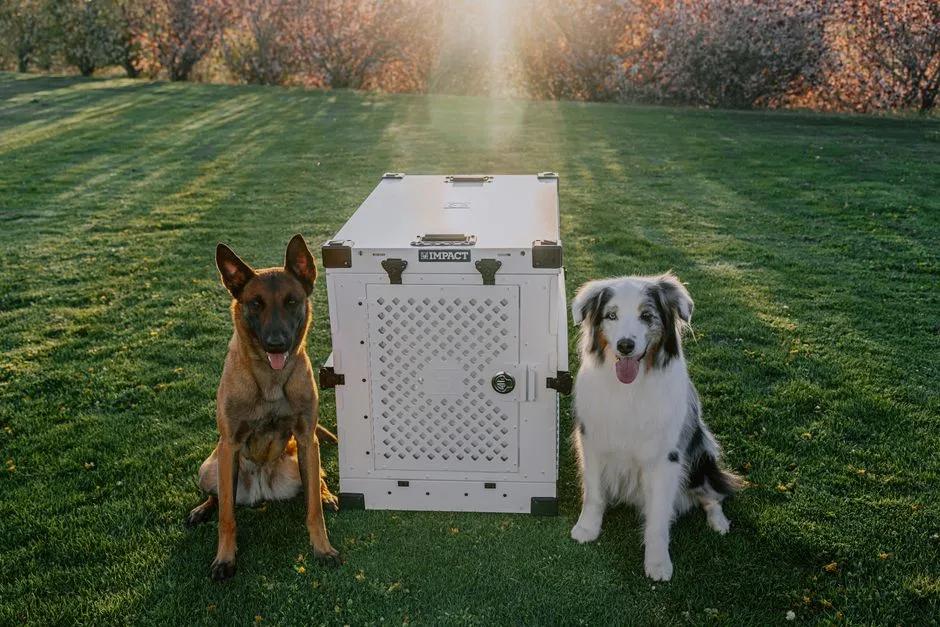
Think through arrival, crate setup, toilet breaks, warm-up, rewards, rest and the handover between people. You are not looking for a perfect timetable. You need a routine that still holds when someone is delayed, a dog gets overexcited, or the weather turns.
At the next training session, run one race block as if it were an event. Set a start time, give each person their usual job, put the dogs through their normal warm-up and keep the same order for several runs. Then stop before everybody is tired and talk about the process, not just the stopwatch.
Do not try to rebuild the whole club system after one weekend. Pick the point with the clearest effect on the dogs or handlers and give it two training sessions. If it helps, keep it. If it does not, write down what happened and try a different approach.
Championship footage makes everyone notice the quick runs, which is fair enough. At club level, though, chasing a big number every week can hide the part that lets a team race with confidence: work that stays tidy when the dog is excited and the people are busy.
Build short blocks where success means the dogs know their jobs and the handlers can repeat the routine. That might mean calm starts with controlled passes. A box session with a clean reward pattern is another useful target. The target should be obvious before the first dog runs.
The point is to give speed somewhere dependable to sit. A dog that understands the sequence and gets a clear reward has a fairer chance of doing fast work without being pushed into a messy session.
Make the review concrete. Instead of saying that changeovers were poor, note whether the outgoing dog left early, the returning dog drifted, the handler's body position blocked the line, or the call was missed. A specific description gives you a drill; a general complaint just follows you into the next week.
If the same issue appears twice, simplify rather than adding pressure. Try a shorter distance first. A quieter setup or smaller group may also help before you build back toward the full race picture. The aim is a dog and handler who leave training understanding more than when they arrived.
The best event note is a small record that another handler can understand before the next tournament, not a long diary entry written when everyone is exhausted. Include what the team tried and what changed. Add anything that should be checked again.
For example, "Dog settled after a quiet walk before warm-up" is better than "Dog was good." "Move spare balls to the lane bag before the first call" is better than "Be organised." Clear notes save a club from having the same argument at the next event.
You can keep this in a notebook or a shared document. An app also works. The Flyball Hub features are a restrained option if you want dog notes and team follow-ups in one place rather than scattered across messages. Whatever you use, make it easy enough that people will use it on a wet Tuesday night.
Give every follow-up a date. A club does not need to solve every point immediately, but it should decide when to test the important one. Review the training change after two sessions and say plainly whether it helped.
Big championships can leave a club with too many ideas. New warm-up plans, box drills, different line-ups and a different travel plan can all sound sensible on Sunday evening. Taking all of them into Tuesday training is a good way to learn nothing.
Choose one priority that is close to the dog's experience. It might be quieter pre-race rest. A more repeatable start routine or clearer changeover calls can also be worth testing. Say what success looks like, decide who will lead it and write the review date beside it.
Then let the dogs give you the answer. When the routine produces calmer, more confident work, keep building it. When it falls flat, adjust the setup without treating the dog or handler as the problem.
The published BFA Championships 2026 record in this article remains Division 19 only: six listed teams and the values in the official table. The broader lesson is for every club reading it: accurate public reporting and honest private review can sit together quite happily.
At your next club night, spend the first ten minutes recording one routine to keep and one problem to test. Add a review date, then put the note where the whole team can see it before the first warm-up starts.